

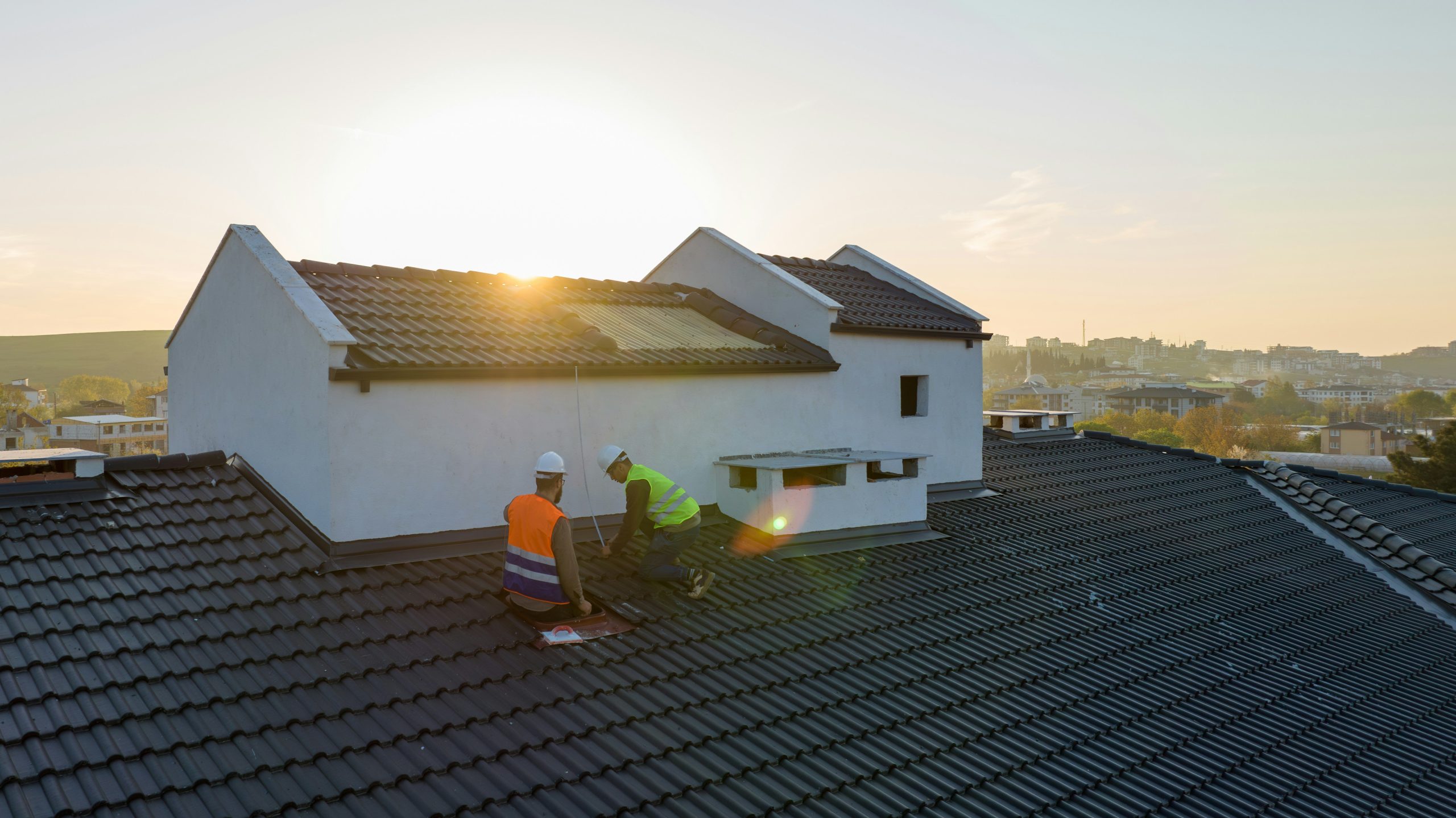
Most homeowners think of roof work as a straightforward trade, a crew shows up, removes old material, puts down new material, and leaves. The reality is considerably more involved, and the gap between that assumption and what actually happens on a job site is where a lot of confusion and frustration tends to originate. A roof replacement involves a layered process that includes structural assessment, material selection, weatherproofing, ventilation evaluation, and code compliance, all of which have to come together correctly for the finished roof to perform as it should. When any one of those elements is handled poorly, the consequences show up slowly and expensively.
The trade requires a level of technical knowledge that is easy to underestimate from the ground. Roof systems are not just a surface layer; they are an integrated assembly of components that work together to manage heat, moisture, and structural load over many years. A properly executed roof replacement accounts for how those components interact and how decisions made during installation affect the long-term performance of the entire system. That depth of knowledge is what separates a properly executed roof replacement from one that looks fine at first but begins to fail within a few years.
Why the Assessment Phase Matters So Much
According to www.skqualityroofing.com based in Delray Beach, Florida, before any material is ordered or any work begins, a thorough roof assessment sets the foundation for everything that follows. This phase involves more than a visual check from the driveway. A contractor examines the decking beneath the surface layer, checks for signs of moisture intrusion, evaluates the condition of flashing around penetrations, and assesses whether the existing ventilation system is adequate for the structure. Skipping or rushing through this phase is one of the most common reasons roof replacement projects run into problems after completion.
Homeowners in Palm Beach County deal with a climate that puts roofs under consistent pressure year-round. Coastal humidity, intense UV exposure, and the threat of tropical storms during hurricane season mean that a roof assessment in this region has to account for conditions that simply do not exist in most other parts of the country. A roof replacement in this environment needs to evaluate not just the current condition of the roof but its capacity to handle what South Florida weather will throw at it in the seasons ahead. That regional awareness is a core part of what makes local expertise genuinely valuable.
What Material Selection Really Involves
Delray Beach homeowners replacing a roof face a material selection process that is more nuanced than most expect when they first start researching their options. Asphalt shingles, metal roofing, tile, and modified bitumen flat systems each carry different performance profiles, cost structures, maintenance requirements, and suitability for specific roof pitches and architectural styles. The material selection process in a roof replacement helps translate those differences into a recommendation that fits the specific home, the homeowner’s priorities, and the local climate demands rather than defaulting to whatever is cheapest or most commonly available.
Material selection also has long-term financial implications that go beyond the initial installation cost. A material that performs well in a dry inland climate may absorb moisture differently in a coastal environment, and that difference compounds over time into maintenance costs, early replacement, or warranty complications. Choosing the right material for the right roof replacement, with proper guidance from someone who installs and services roofs in the area regularly, is one of the decisions that homeowners most often wish they had taken more seriously before the project began.
The Installation Process From Start to Finish
The Rainberry Bay neighborhood, like many established residential communities in the area, is home to houses built across different decades, each with its own roofing history and set of installation considerations. A roof replacement on an older home has to factor in how previous repairs or installations may have affected the underlying structure before laying anything new. Proper installation begins with preparing the deck surface, which means ensuring it is clean, structurally sound, and ready to accept new material without trapping moisture or creating weak points that will show up later.
From there, the installation sequence follows a deliberate order that is designed to create a system rather than just a covering. Underlayment goes down first as a secondary moisture barrier, followed by the primary roofing material installed according to manufacturer specifications and local building code requirements. Flashing is applied at every transition point, penetration, and edge where water could find a path into the structure. Each of those stages has to be executed correctly because errors at any point in the sequence create vulnerabilities that weather will eventually find and exploit.
How Ventilation and Code Compliance Fit Into the Picture
Tierra Del Rey residents, many of whom own homes with attic spaces that were not originally designed with modern ventilation standards in mind, often discover during a roof replacement that their attic airflow situation needs attention. Ventilation is one of the most overlooked aspects of a roof system, and it directly affects both the longevity of the roofing material and the energy efficiency of the home. Heat that has nowhere to escape accumulates in the attic and degrades shingles from underneath, shortening the life of a roof that may have looked perfectly installed from the outside.
Code compliance adds another layer of complexity that a professional roof replacement team manages on the homeowner’s behalf. Florida’s building codes have been updated significantly over the years in response to hurricane damage data, and current requirements around fastening patterns, wind uplift resistance, and permit documentation are more detailed than they were even a decade ago. Pulling the correct permits, scheduling inspections, and ensuring that the finished installation meets current code is part of what a licensed roof replacement team brings to the job, and it protects the homeowner legally and financially in ways that go well beyond the roof itself.
What a Completed Roof Job Actually Delivers
A well-executed roof replacement delivers something that homeowners in Greenacres and throughout the broader region genuinely feel in their daily lives, even if they cannot always articulate exactly why. Energy bills stabilize because a properly ventilated, correctly installed roof manages heat transfer more effectively. Interior spaces stay more consistent in temperature and humidity. The home holds its value more reliably because one of its most critical structural systems is in good condition and documented properly. Those outcomes are the real product of a quality roof replacement, and they accumulate over years in ways that a low-quality installation simply cannot replicate.
Choosing to invest in a proper roof replacement, with a qualified team that understands the full scope of what the job requires, is one of the most straightforward ways a homeowner can protect the long-term condition of their property. The complexity behind a roof replacement is not a reason for concern; it is a reason to take the selection and planning process seriously and to trust the work to someone with the experience and knowledge to do it right. A roof that is built correctly from the start is one that homeowners largely stop thinking about, and that kind of reliable, quiet performance is exactly what a good roof replacement is supposed to deliver.