

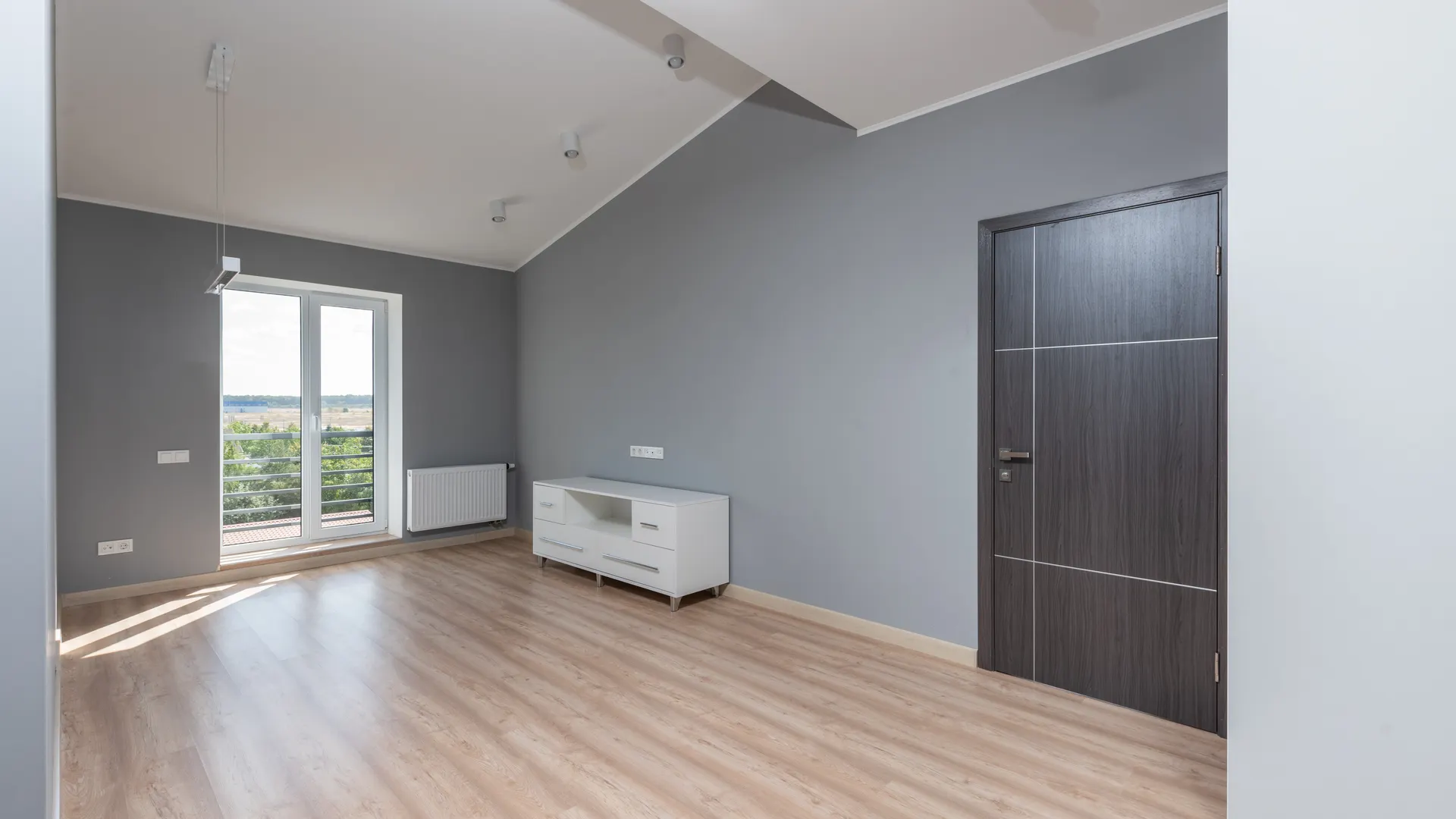
Flooring is one of those home decisions that sounds purely practical until you’re standing in a showroom, suddenly wondering what kind of person you are. Do you want something warm and natural? Something tough enough for kids, pets and everyday chaos? Something that looks polished without needing constant fuss? The floor sits underneath everything, but it has a sneaky way of shaping the whole feeling of a home.
That’s why comparisons like hybrid flooring vs engineered timber flooring are useful, not just because they explain materials, but because they help you think about how your home actually works. It’s easy to choose based on a photo, a sample board or what looks impressive at first glance. It’s harder, but much more useful, to think about what your floor needs to survive on an average Tuesday.
The Home That Looks Calm But Lives Hard
Some homes look calm in photos and then immediately return to real life the moment people walk through the door. Shoes get kicked off in the hallway. Someone drops a drink near the kitchen bench. The dog charges in after rain. Kids drag chairs, toys, bags and mystery crumbs across the floor like it’s all part of an experiment. If that sounds familiar, durability probably matters more than romance.
Hybrid flooring is often appealing in these homes because it’s designed to handle everyday wear with less anxiety. It can offer the look of timber while being more resistant to moisture and scratches than some natural alternatives. For busy households, that can feel like a relief. You still get a stylish finish, but you don’t have to treat every spill like a tiny emergency.
This doesn’t mean hybrid flooring is only for chaotic family homes. It can also work well in apartments, investment properties, holiday homes, kitchens, dining areas and other spaces where practicality is high on the list. The point is that your flooring should match the way the room is actually used, not the fantasy version where nobody ever spills coffee.
The Pull Of Real Timber Character
Engineered timber flooring appeals for a different reason. It has a genuine timber surface, which means it carries the grain, variation and warmth people often want when they picture a home that feels inviting. There’s a depth to real timber that can be hard to imitate completely, especially in spaces where texture and natural materials are part of the design.
It can suit homes where atmosphere is a priority. Living rooms, bedrooms and open-plan spaces can all benefit from that sense of warmth underfoot. Engineered timber is also generally more stable than solid timber because of the way it’s constructed, making it a popular choice for people who want the beauty of timber with a bit more structural practicality.
That said, it still asks for a certain level of care. It may not be the best match for areas where water, heavy scratches or rough treatment are constant concerns. If you love the look of real timber and are happy to look after it properly, it can be a beautiful choice. If you know you’ll spend every day worrying about marks, it may not give you the relaxed home you were hoping for.
Don’t Choose For The House You Wish You Had
One of the biggest mistakes people make with flooring is choosing for an imagined lifestyle. They picture dinner parties, quiet mornings and perfectly clean rooms, then forget about muddy shoes, dropped pans, pet claws, rental wear, renovation dust and the general messiness of living.
A better question is: what do you not want to think about? If you don’t want to worry about moisture in the kitchen, hybrid may move higher up the list. If you don’t want to compromise on the feel of real timber, engineered timber may be worth the extra care. If you’re renovating to sell, your decision may be different again, because you’ll be thinking about broad appeal and budget as much as personal taste.
The Look Still Matters
Practicality is important, but flooring is visual too. Colour, plank width, texture and finish can change how large, light or relaxed a room feels. Pale tones can open up a space. Deeper shades can add richness. Matte finishes often feel more contemporary and forgiving than glossy ones. Wider boards can create a more spacious, modern look, while narrower ones may suit certain traditional interiors.
Both hybrid and engineered timber flooring come in a wide range of styles, so the decision isn’t always about choosing beauty or practicality. Often, it’s about finding the right balance between the two.
The Best Floor Fits Into Your Life Quietly
Good flooring doesn’t demand attention every day. It supports the home, handles the rhythm of daily life, and makes the space feel more complete. Whether you lean toward hybrid for its resilience or engineered timber for its natural character, the right choice is the one that makes sense once the showroom excitement wears off.
Because the floor you choose won’t just be something you look at. It’ll be something you live on.