

Older homes have plenty of charm, but winter can expose their weaknesses. Cold draughts, uneven heating and damp patches become harder to ignore once temperatures fall. Many period properties were built long before modern insulation standards, so they lose heat faster than newer houses. At the same time, rising energy costs make wasted warmth feel even more frustrating. A few sensible improvements before winter arrives can make your home feel more comfortable without turning every evening into a battle with the thermostat. Small jobs completed in autumn also reduce the chance of expensive repairs once freezing weather sets in.
Using Insulation as The First Line of Defence
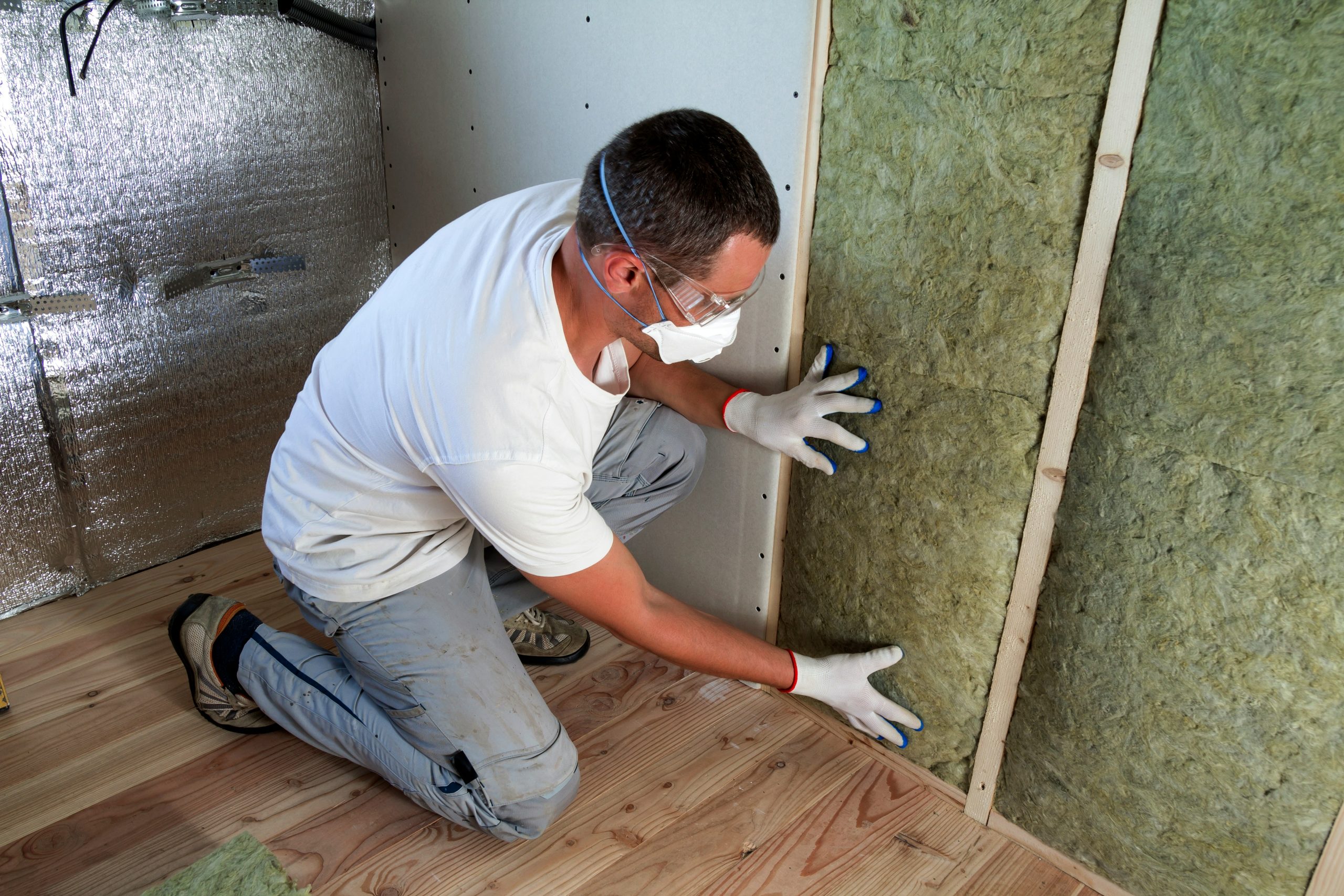
Older houses often lose most of their heat through the roof and windows. Loft insulation usually offers the quickest improvement because it helps rooms stay warm for longer after the heating switches off. Thick curtains also help in homes with single glazing, particularly in living rooms where cold air settles near windows during the evening. Solid walls can create another issue because they transfer heat more quickly than modern cavity walls. Internal insulation in colder rooms may cost less than constantly increasing the thermostat through winter.
Heating System Health Check
A dated boiler can struggle once temperatures drop, especially if it has not been serviced recently. Your heating system works more efficiently when radiators heat evenly and maintain proper pressure. Cold spots on radiators typically point to trapped air or sludge inside the pipework, both of which reduce performance. A professional service can identify worn parts before they fail during a cold spell. One small repair in autumn may prevent a breakdown when engineers are busiest in January.
Maintenance Musts Before the Cold Hits
Winter weather quickly turns minor exterior problems into larger repairs. Blocked gutters can overflow during heavy rain and send water into brickwork, leading to damp patches indoors. Loose roof tiles also deserve attention because frost and wind tend to worsen existing damage. Check exposed pipes around garages or outside walls as well. Frozen pipes can burst and cause serious water damage very quickly, so ensuring they’re insulated and the heating is kept on at least a low level over winter is essential.
Small Changes, Big Impact
Moving furniture away from radiators allows heat to circulate properly instead of just warming the back of a sofa. Draught excluders around doors also make rooms feel less chilly during breezy evenings. Ventilation matters too, as older houses often collect condensation in winter, particularly after cooking or showers, so steady airflow can help to prevent mould from forming around windows.
Looking Ahead to a Warmer Winter
Preparing an older house for winter works best when you tackle smaller problems early. You also create a more comfortable living space that feels consistent throughout the day instead of shifting between chilly mornings and overheated evenings. Many improvements pay off gradually through lower heating bills and fewer emergency repairs. Older homes will always need more attention than modern builds, but that extra effort protects the character that makes them appealing in the first place.