
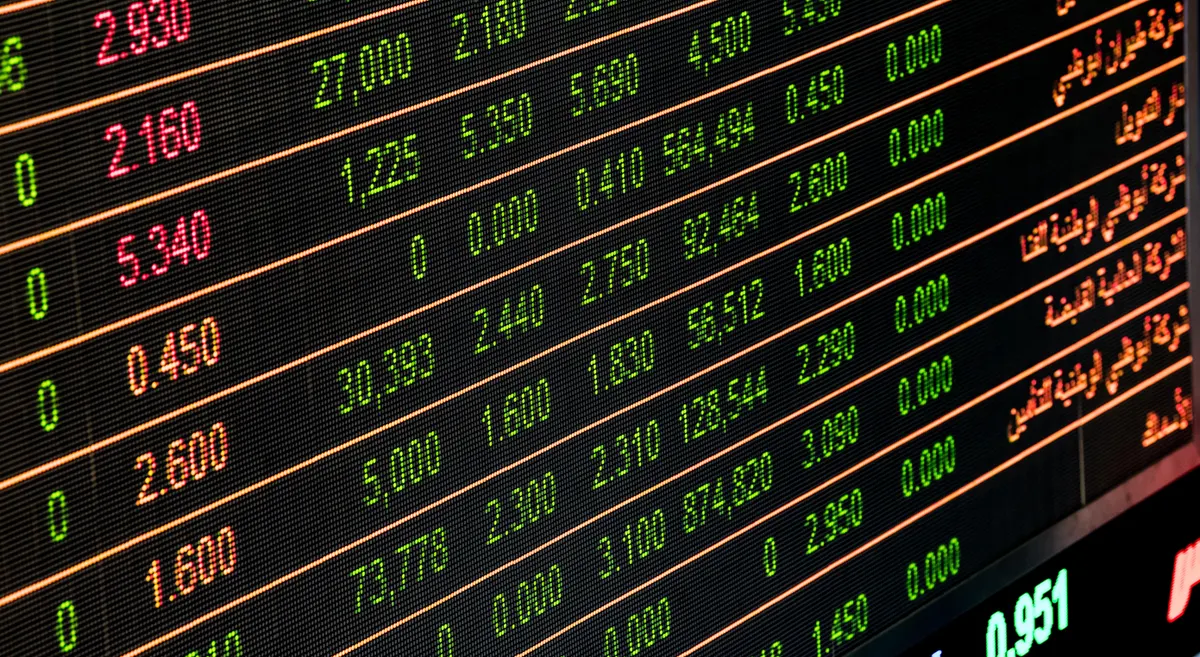
The Kospi leveraged ETF selloff that tore through South Korean markets in July 2026 claimed a second victim on Monday: confidence that borrowed conviction can survive a sustained downturn. South Korea’s benchmark Kospi index closed 5% lower on Monday, with Samsung Electronics and SK Hynix each ending 9% down, reversing part of Friday’s record 178% single-day rebound.
The Kospi Leveraged ETF Selloff in Numbers
The scale of the preceding damage was severe. CryptoBriefing reported that the Kospi fell approximately 23% in July 2026, its largest monthly drop in history, wiping out roughly ₩250 trillion in market capitalisation. The index had peaked at 9,114 in June 2026 before the rout began, leaving it roughly a third below that high.
The decline triggered an extraordinary sequence of emergency halts. South Korean stocks triggered a market-wide circuit breaker for a second consecutive session on 29 July 2026, the first time both the Kospi and Kosdaq had activated the measure on back-to-back trading days, according to Reuters Connect. By late June 2026, the Korea Exchange had already logged close to 30 sidecar activations and five circuit breakers for the year, surpassing the prior annual sidecar record of 26 set during the 2008 financial crisis, according to Yahoo Finance via BeInCrypto.
The Kospi leveraged ETF selloff had a specific accelerant: single-stock leveraged funds linked to Samsung Electronics and SK Hynix, products that South Korean regulators had only approved in late May 2026, according to Yahoo Finance citing Reuters. Within weeks of their introduction, those same products were being blamed for amplifying the decline as retail investors who had borrowed to buy were forced to sell into a falling market.
Regulators moved quickly. The minimum cash deposit required for leveraged ETF trading was raised to 30 million won (approximately $20,300) from 10 million won, with the change expected to take effect on 5 August. The mandatory investor training requirement was extended to three hours from two, and the minimum trading lot size was raised to 20 units from one, according to the Taipei Times citing the South Korean Financial Services Commission. New listings of single-stock leveraged ETFs were also suspended and financial firms were banned from advertising the products.
When Leverage Meets Conviction
The same dynamic played out in a very different corner of the market. Situational Awareness LP, the AI-focused hedge fund founded by Leopold Aschenbrenner, lost 67% in July and was forced to sell most of its public equities portfolio to Ken Griffin’s Citadel.
The fund had employed as much as 400% leverage (4x) at the time of its collapse, according to Yahoo Finance citing CNBC. That same source reported the fund peaked at $45 billion in assets at the start of July 2026, with holdings dropping to roughly $10 billion by the time Citadel acquired its leveraged stock positions. A separate account from SpotGamma placed the peak at around $24 billion by mid-2026; the Yahoo Finance/CNBC figure of $45 billion at the start of July is the more specific of the two.
The fund’s concentrated long positions in AI infrastructure names including SK Hynix and CoreWeave were hurt by the broader market rout. Bearish short positions on software companies such as Adobe also moved against the fund in July, adding to losses, Yahoo Finance citing CNBC reported. Prime brokers Bank of America, Goldman Sachs, and JPMorgan Chase had been working with the fund to meet margin requirements ahead of the Citadel sale. The entire public equities book, both long and short positions, was sold in a single block before the market open on 30 July 2026, while the fund retained private holdings including a stake in Anthropic and was seeking fresh capital, according to SpotGamma citing CNBC and the Wall Street Journal.
Despite the July losses, Situational Awareness was still up approximately 80% for 2026 at the end of the month, owing to large first-half gains, according to EVTV Miami. Aschenbrenner told investors the fund had removed leverage from its portfolio following the crisis. Reuters, cited by TradingView, said it could not determine whether formal margin calls had been issued before the sale.
Charu Chanana, chief investment strategist at Saxo, drew the parallel directly. ‘The KOSPI selloff and the collapse of Leopold Aschenbrenner’s AI fund tell the same story: when strong conviction is combined with excessive concentration and leverage, even a temporary market correction can quickly spiral into forced selling and heavy losses,’ she wrote in a note on Monday.
Chanana added that the episodes did not undermine the long-term investment case for artificial intelligence. ‘AI remains one of the most important long-term investment opportunities of this decade. But even the strongest themes can become crowded, expensive and vulnerable to corrections,’ she wrote.
The immediate test comes on 5 August, when South Korea’s tightened deposit and lot-size rules take effect; how quickly retail participation in single-stock leveraged products recovers from that point will indicate whether the regulatory intervention has reshaped the market or merely paused it.