

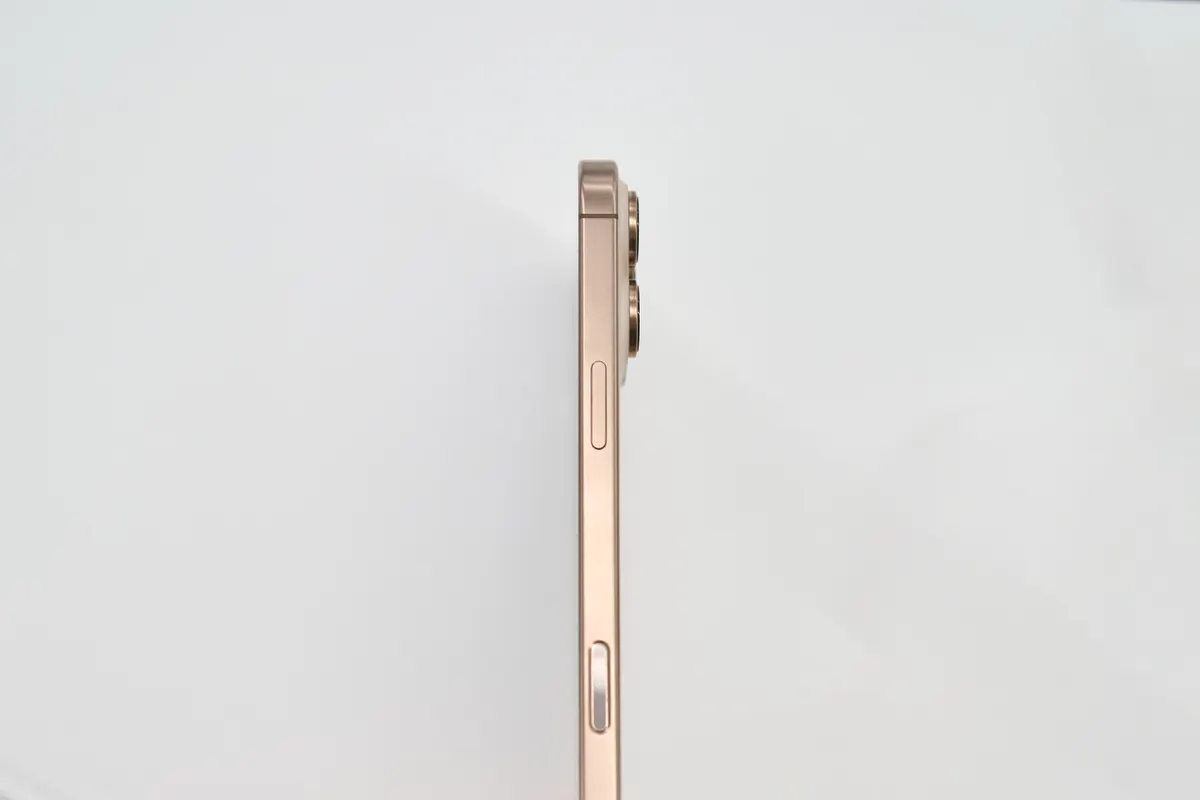
Google’s Pixel 11 HiLight feature brings back a piece of smartphone history: the coloured LED indicator that told you everything you needed to know without touching the screen. Available on the Pixel 11 Pro, Pro XL, and Pro Fold, HiLight pulses from the camera bump in response to incoming calls and Gemini interactions, and it goes on sale on 20 August with pre-orders open now.
What the Pixel 11 HiLight Feature Actually Does
Rather than adding new hardware, Google repurposed the LED already built into the camera flash housing, according to How-To Geek. That decision kept the chassis clean, but it also means the light sits in the camera bump rather than along an edge, so it is subtle rather than the unmissable blinker of a 2012 HTC One.
The current feature set is modest. HiLight signals when someone is calling and tracks Gemini’s states: listening, thinking, and responding, each with its own pattern. 9to5Google notes that the Gemini light behaviour mirrors the Google Home speaker, which uses the same colour-shifting logic to indicate those same states.
The more personalised layer is contact colours. According to Google’s official product blog, users can assign up to five colours to favourite contacts or groups, so the phone glows with that person’s assigned colour when they ring, even face down on a table. That is closer in spirit to what the old notification LED did best: identification without interaction.
Google told ZDNET the wave of colours in HiLight was designed with accessibility in mind, so that users with colour blindness can still discern its states. The feature also works alongside the Pixel’s ‘Flip-to-shhh’ gesture, which silences alerts when the phone is placed face down, tying both functions to the same digital well-being rationale.
It is worth noting that the base Pixel 11 does not carry HiLight. The feature is exclusive to the Pro line: the Pixel 11 Pro at $1,099, the Pro XL at $1,299, and the Pro Fold. The standard Pixel 11 starts at $899, per the Google blog.
The Bigger Question: What Comes Next
HiLight’s real value depends on what Google adds after launch. The company has confirmed it is working on Messages app integration, though it has not specified which threads or groups will trigger the light. Beyond that, no third-party integrations have been announced.
The comparison to Nothing’s Glyph interface is unavoidable. Nothing pioneered this exact territory on the back panel of its Phone series, but the Glyph’s industrial-strip design is divisive. Google’s approach is lower-key and built into a phone with considerably broader mainstream reach, which may matter when it comes to persuading app developers to build for it.
HiLight also has to contend with what it replaced. The temperature sensor it superseded was used by a vocal subset of Pixel owners for cooking and skincare measurements, and Google has not indicated a software equivalent is coming. That trade-off is the feature’s sharpest edge before it has even shipped.
Glowing ambient lights appear to be a broader design thread for Google in 2026. Wired reports the company is bringing a ‘Glowbar’ feature to its upcoming Googlebook laptops later this year, suggesting HiLight is not a one-off experiment but part of a consistent visual language Google is building across its hardware.
The Pro Fold round-out of the HiLight lineup, confirmed by Mashable, is paired with a redesigned device that Fox News reports is approximately 10% lighter and around 1 millimetre thinner than the Pixel 10 Pro Fold, with Google claiming its hinge and back material are three times more durable in its own testing.
The Pixel 11 HiLight feature, then, is a small hardware idea with a large software ceiling. Whether Google raises that ceiling with Messages, third-party APIs, and the promised Gemini expansions will determine whether it becomes a genuine platform or remains a well-intentioned glow. The Messages integration is the first milestone worth watching, and its timing has not been set.