

Drivers without a driveway no longer need planning permission for cross-pavement EV chargers from Wednesday 21 October, saving up to £300, the Department for Transport said.
Cross-pavement chargers run under the pavement from a home to a car parked on the street. The department said the change also opens up home charging for as little as 2p per mile.
Before the change, installing one needed up to three separate permissions, according to the government’s response to a consultation that ran from 14 November 2025 to 21 January 2026. Most respondents backed a new permitted development right to simplify the process.
Buses and Local Transport Minister Simon Lightwood said: “We’re saving drivers up to £300 off the cost of installing home charging by cutting unnecessary red tape.”
He said residents without off-street parking can plug into cheaper domestic electricity prices, helping them access savings of up to £1,750 on running costs.
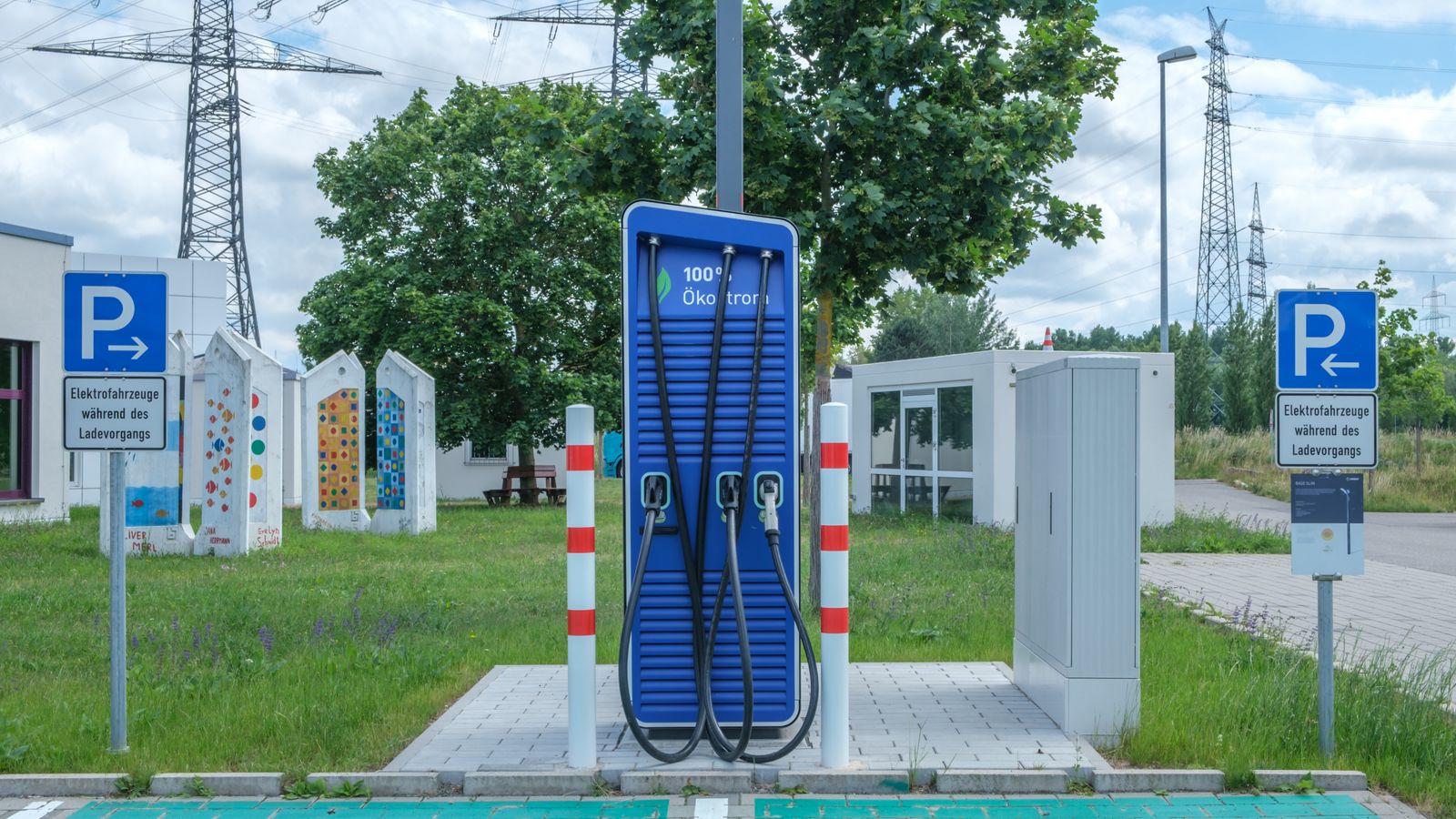
Changes to permitted development rights also make it quicker and cheaper for charge point operators to install larger, higher-powered public charging hubs.
The department linked the change to demand. September 2026 was another record month for UK electric car sales, up 36 per cent in a year, with nearly 100,000 sold in a single month.
It said sales have been helped by the Electric Car Grant, which has now helped more than 190,000 drivers save up to £3,750 off a new electric vehicle.
Vicky Edmonds, chief executive of EVA England, said the change might look small but could decide whether someone without a driveway can afford an electric car. She called it “a really welcome and meaningful step towards a fairer transition”.
EVA England’s own research found that 60 per cent of petrol and diesel drivers without off-street parking would never consider an EV. Edmonds said: “It’s now up to local authorities and landlords to make these solutions easier to access in practice.”
Dickson Abegunde, director of strategic partnerships at Zoopla, said access to charging can be an important factor for buyers choosing a home. He described the decision as a welcome step towards making EV ownership more accessible for households without off-street parking.
The government’s response said it has no immediate plans to develop minimum product standards for cross-pavement solutions.
The department has also launched two consultations, both with responses due by 16 December 2026 and both applying to England.
One, on access for tenants and leaseholders, proposes an “ability to charge” to streamline landowner permissions for those installing a charge point. The government is also considering mandatory requirements to make it harder for landlords and freeholders to refuse renters’ applications.
The other, on building regulations, proposes extending charge point requirements to covered car parks. Part S of the regulations currently does not apply to enclosed or open-sided car parks.
It also proposes reviewing the £3,600 cap on installation costs, taking account of inflation since 2021.
Public charge point operators work under separate rules. Guidance for them says working on the highway without a street works permit carries a fixed penalty of £1,000, discounted to £600 if paid within 29 days.