


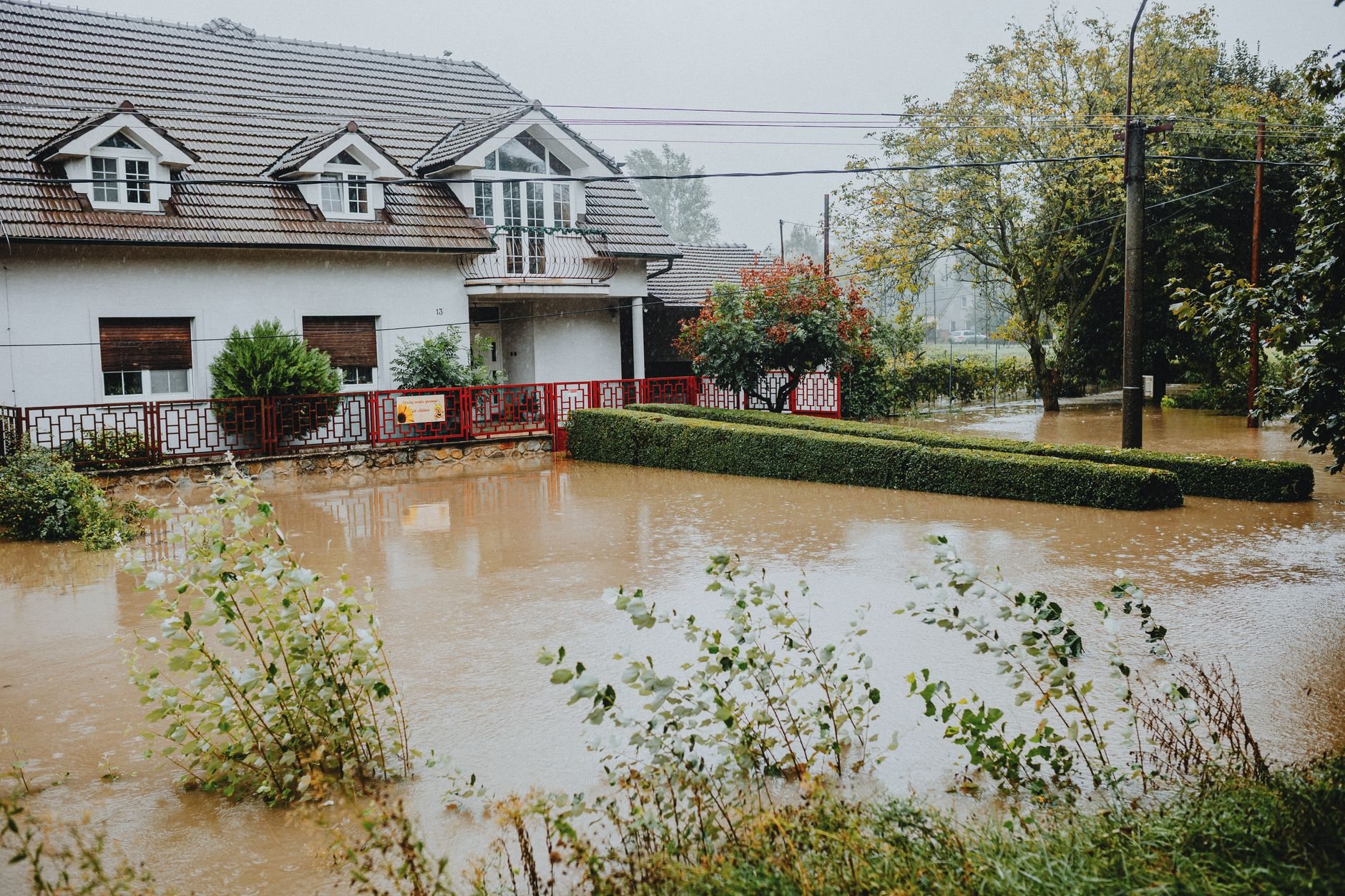
When water enters your home, the first two days can make a significant difference in how much damage occurs. A burst pipe, leaking appliance, overflowing toilet, or storm-related flooding can quickly affect floors, walls, furniture, and personal belongings. Prompt water damage restoration helps remove excess moisture, protect building materials, and reduce the risk of additional problems. Waiting too long can allow water to spread into hidden areas, making cleanup and repairs more complicated.
Understanding what happens during the first 24–48 hours can help homeowners respond quickly and make better decisions after an unexpected water emergency.
The First Few Hours: Water Begins to Spread
Water does not always stay where it first enters a property. It can move beneath flooring, soak into carpets, travel behind baseboards, and collect inside wall cavities. Even a relatively small leak can affect several areas if it continues unnoticed.
During the first few hours, porous materials such as drywall, carpet padding, insulation, and untreated wood begin absorbing moisture. Furniture and household belongings may also become damaged.
The first priority should always be safety. If water is near electrical outlets, appliances, or wiring, avoid the affected area and contact a qualified professional. If it is safe, shut off the water supply and stop the source of the leak. Taking photographs of the damage before cleanup can also help with insurance documentation.
Within 6–12 Hours: Moisture Reaches Hidden Areas
As time passes, water may move beyond visible surfaces. It can seep into subfloors, wooden framing, cabinets, and spaces behind walls. This is one reason a room may look relatively dry while moisture remains trapped underneath.
Homeowners sometimes assume that towels, mops, and open windows are enough to handle the situation. These methods may help with minor spills, but they rarely address moisture inside building materials after a significant leak or flood.
A professional inspection can identify affected areas using moisture meters and other equipment. Finding hidden moisture early helps determine which materials need extraction, additional drying, or replacement.
Within 24 Hours: Materials May Begin Deteriorating
By the end of the first day, prolonged exposure to water can start affecting the condition of household materials. Drywall may soften, wooden flooring may begin to swell, and laminate surfaces can start separating.
Carpet and padding can hold considerable amounts of moisture, even when the surface feels less wet. Furniture placed on damp flooring may also absorb water through its legs and base.
Unpleasant odors may develop as wet materials remain in place. These smells can become more noticeable in enclosed spaces, closets, and rooms with limited ventilation.
Quick extraction and proper drying can help limit further deterioration. However, the right approach depends on the amount of water, the materials affected, and whether the water is clean or contaminated.
Between 24 and 48 Hours: Mold Risk Becomes a Concern
Persistent moisture creates conditions that may support mold growth. Mold can begin developing within 24 to 48 hours under suitable conditions, although the actual timing depends on moisture, temperature, material type, and other environmental factors.
It does not always appear as obvious black or green spots. Growth may begin behind drywall, beneath carpet, or inside damp cabinets where homeowners cannot easily see it.
A musty smell can be an early warning sign, but the absence of an odor does not prove that an area is dry or free from mold. This is why thorough moisture checks are important after a water emergency.
If mold is already present, the affected area may need a separate assessment and appropriate remediation. Simply painting over a stain or spraying an air freshener will not address the underlying moisture problem.
Why Professional Extraction and Drying Matter
Professional restoration involves more than removing standing water. Technicians assess the damage, identify hidden moisture, extract excess water, and use appropriate equipment to dry affected materials.
Commercial air movers improve air circulation, while dehumidifiers help remove moisture from indoor air. Technicians monitor drying conditions and take moisture readings to check whether affected materials are reaching suitable dryness levels.
Depending on the situation, cleaning and sanitizing may also be necessary. Water from a sewage backup or outdoor flooding can contain harmful contaminants and requires different handling from a clean plumbing leak.
Damaged materials that cannot be safely restored may need removal and replacement. Addressing these issues before reconstruction helps prevent moisture from becoming trapped behind new flooring, drywall, or other finishes.
What Homeowners Should Do During the First Two Days
Taking a few practical steps can help reduce the impact of an unexpected water incident.
- Prioritize safety: Stay away from standing water near electrical equipment and unstable building materials.
- Stop the leak: Shut off the relevant water supply if it is safe to do so.
- Document the damage: Take photographs and keep records of affected belongings and repair expenses.
- Protect undamaged items: Move furniture and valuables away from wet areas when safe.
- Arrange an inspection: Have hidden moisture and affected materials assessed.
- Contact your insurer: Report the incident and ask about documentation and coverage requirements.
Avoid switching off professional drying equipment without consulting the restoration team. Consistent operation may be necessary to achieve proper drying.
Acting Quickly Can Protect Your Home
The first 24–48 hours after water damage are important because moisture can spread, materials can deteriorate, and mold may begin developing under suitable conditions. Delaying cleanup can turn a manageable incident into a much larger repair project.
Responding quickly, documenting the damage, and arranging proper extraction and drying can make recovery easier. The goal is not simply to make the visible water disappear, but to address moisture throughout the affected areas and protect your home from further damage.
Contributed content: this article was written by a third-party contributor and does not necessarily reflect the views of News Anyway. Editorial and Advertising Policy