


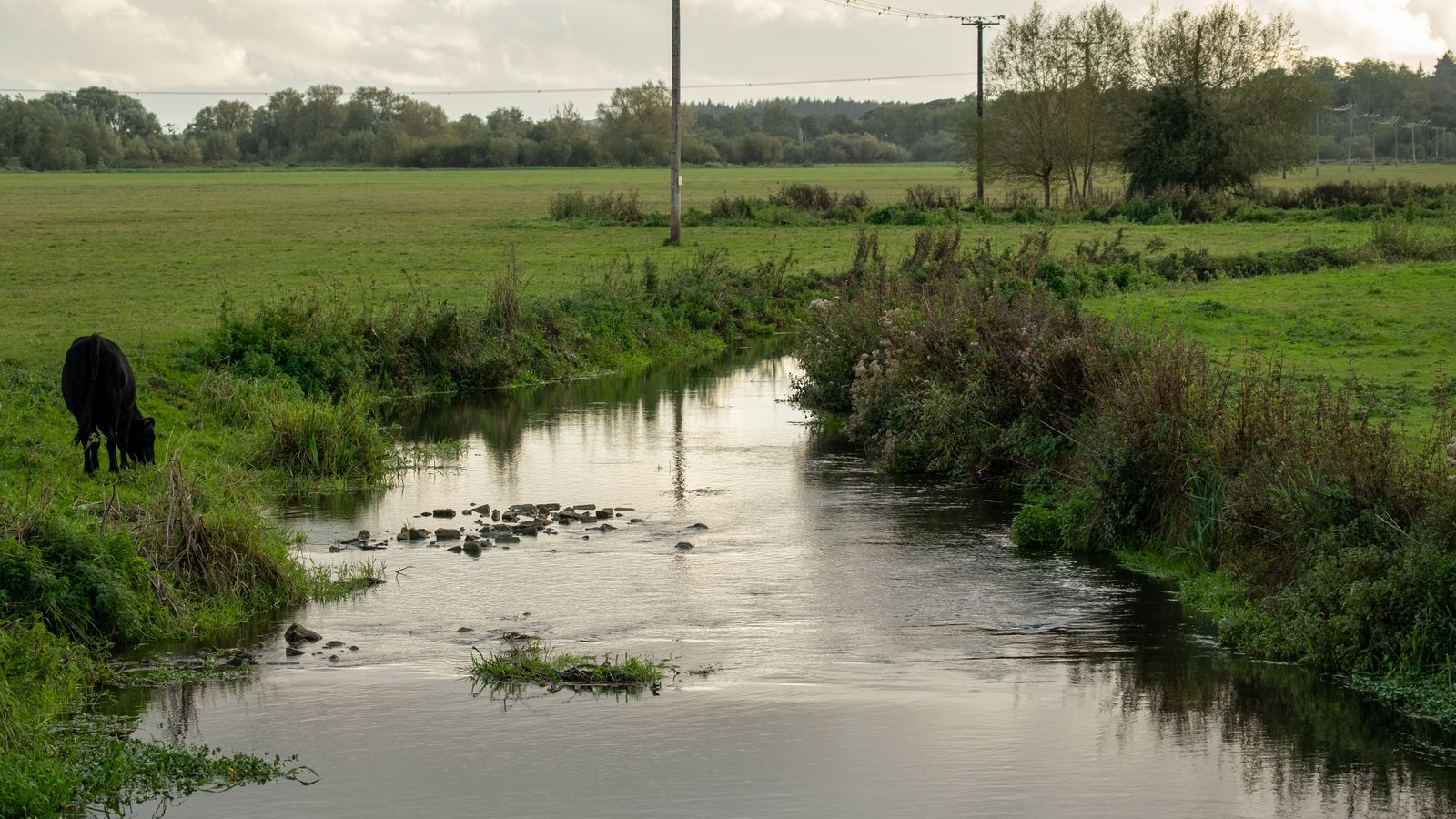
PFOS and PFOA in England’s rivers fell by around 30 per cent and 29 per cent from 2016 to 2025, the Environment Agency said on Thursday.
PFOS and PFOA are two ‘forever chemicals’, part of the wider PFAS group used in a range of products and industrial processes. Many break down very slowly and can build up in the environment over time.
PFOS concentrations in freshwater fish declined by approximately 49 per cent over the same period, according to the Environment Agency report.
The agency said the reductions show that controls and restrictions on the two chemicals, including government action, can produce measurable falls in key legacy PFAS.
The report also carries a caution. It found PFAS remain widespread, reflecting decades of historic use and continued releases from some sources.
Dr Robert Bradburne, the agency’s Chief Scientist, said the reductions in some older PFAS were “encouraging, but there is more to do”. He said the evidence would help identify where further action is needed.
The new national assessment builds on the agency’s 2021 report, reflecting advances in monitoring capability, analytical methods and regulatory activity over the past five years.
It draws on a much larger body of environmental data than the earlier assessment. Bradburne said the agency can now monitor a much wider range of these chemicals with greater accuracy.
The expanded programme covers rivers, lakes, groundwater, estuaries, coastal waters and landfill leachate. It also looks at newer substances and at chemicals that can break down into PFAS of greater concern.
Environment Minister Emma Hardy said the government was acting through tougher rules on use, updated guidance, widespread monitoring and support for safer alternatives.
Dr David Megson, Reader in Chemistry and Environmental Forensics at Manchester Metropolitan University, who is independent of the agency, said there was now data from thousands of samples.
He said the positive trends indicated that levels of legacy PFAS were declining, and that the report could be used to find and target the worst areas of pollution.
Megson said the report was an “essential foundation” for investigations into polluters.
The findings will support delivery of the UK’s first PFAS Plan, which the government published in 2026. The plan was promised in the revised Environmental Improvement Plan 2025 and has actions in three sections: understanding PFAS sources, tackling pathways and reducing ongoing exposure.
Its key actions include better testing and monitoring of England’s estuaries and coastal waters, and developing safer alternatives to everyday items such as water-repellent clothing and footwear.
A new website is to be published to improve public understanding. New guidance is also planned for regulators and industry on legacy PFAS pollution on contaminated land.
Further work includes a possible restriction on the use of forever chemicals in firefighting foams, and legislation to prohibit further persistent organic pollutants.
The Environment Agency said it would keep expanding its evidence base through research into airborne monitoring, water thresholds and potential PFAS replacements.