

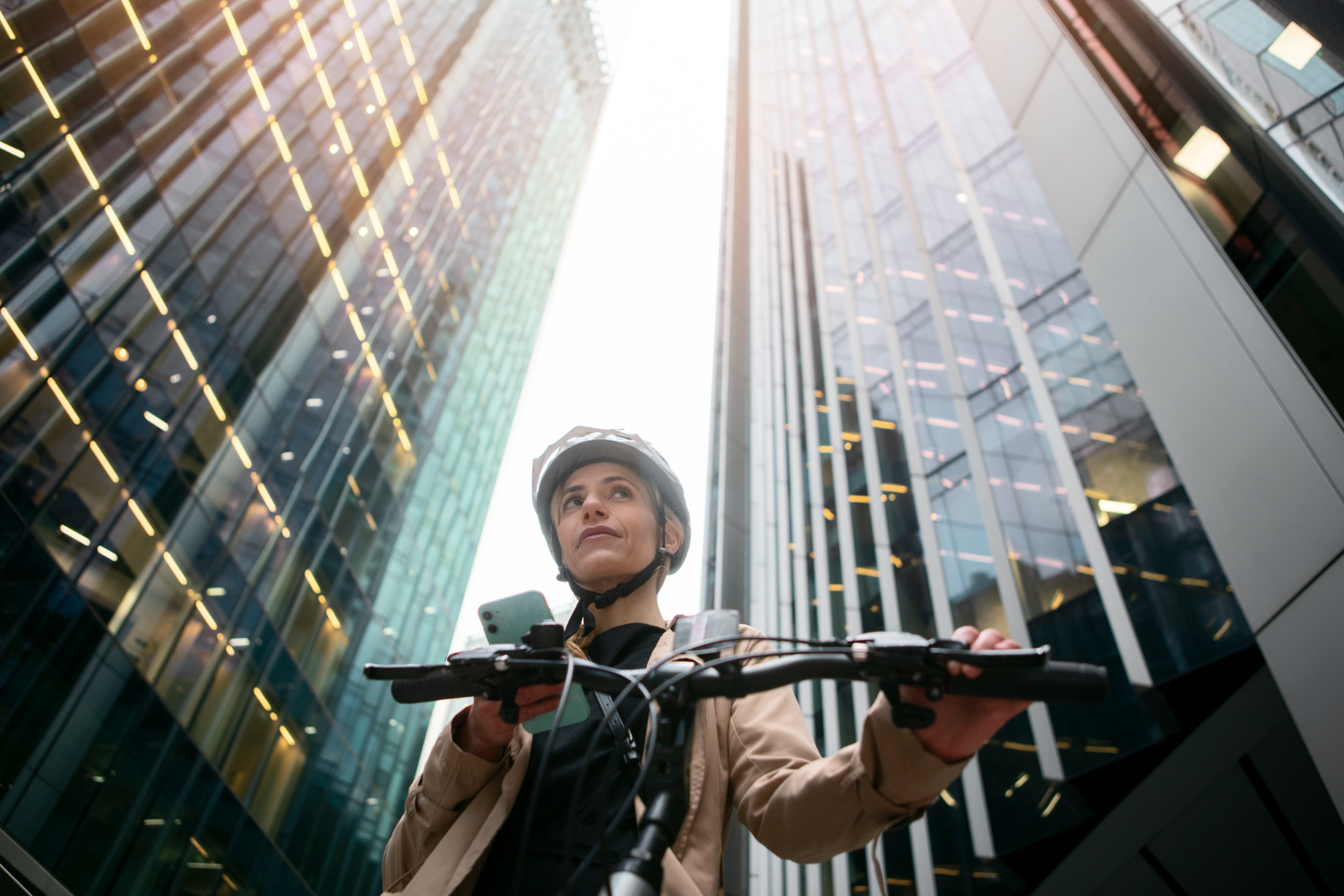
A few years ago, when the pandemic had subsided and spring had finally arrived, I was strolling through a redeveloped area of Austin that didn’t feel like a city at all. No one was racing to the next traffic light or honking their horns. I heard birds instead. A yoga class overflowed onto a plaza with shade. Outside a co-working space that doubled as a library and art gallery, a father and daughter were enjoying smoothies. It was incredibly successful as a change in intention as well as design. It dawned on me then that this was infrastructure for a lifestyle.
Though they don’t often use poetic language, urban planners have begun using more subdued, humane language in their designs in recent years. They are focusing more on emotional throughput, or how people feel as they navigate a space, rather than concrete throughput. For cities still struggling to overcome the weariness of antiquated grids and empty downtowns, that change has significant ramifications.
| Element | Details |
|---|---|
| Definition | Urban infrastructure focused on well-being, experience, and quality of life |
| Key Components | Walkability, green spaces, smart mobility, cultural hubs, mixed-use zoning |
| Major Drivers | Post-pandemic urban redesign, remote work, wellness economy |
| Notable Examples | Serenbe (Atlanta), ARC Club (London), Dubai lifestyle-driven districts |
| Economic Impact | Boosts property values, attracts talent, increases local engagement |
| Social Benefits | Supports mental health, reduces isolation, fosters community connection |
| Long-Term Vision | Cities judged by fulfillment, not just economic output |
In contrast to utility-first development, planners and developers have placed a greater emphasis on holistic living during the last ten years, particularly since 2020. The days of having only roads, bridges, and a transit system to make a city good are long gone. Community gardens, natural light, shaded walkways, third spaces, and even quiet are the new success indicators. These components fill lives, not just gaps.
Lifestyle infrastructure is no longer a niche in major cities like Raleigh, Minneapolis, Dubai, and Bengaluru. It is fundamental. Pocket parks, social kitchens, bike lanes, and mindfulness rooms are all included with new buildings. High-rises now boast about the quality of the space between floors rather than their square footage. Developers boast of basements that double as wellness retreats and terraces that function as communal lounges.
This goes beyond aesthetics. It concerns retention, health, and equity. Higher mental well-being scores, longer resident tenure, and surprisingly low healthcare demand are all observed in cities with walkable access to fitness facilities, childcare, fresh food, and outdoor gathering places. The figures are convincing in addition to being attractive. According to recent wellness real estate data, properties that are integrated into lifestyle districts typically sell much more quickly and fetch higher premiums—by as much as 23 percent.
Cities in the Midwest, such as Minneapolis and Omaha, are demonstrating that climate and coastline are not always necessary for success. They are quietly rising to the top of the work-life integration ladder thanks to their accessible green space, reasonable commutes, and carefully scaled lifestyle. In the meantime, cities like Raleigh and Boise are rethinking infrastructure to support not only business growth but also human growth, converting economic momentum into smart design.
Changing values are one of the factors driving this design renaissance. The new non-negotiable for many younger professionals is being close to happiness rather than an office. Parks are more important than parking lots. More square footage is not as appealing as being able to walk to a gym, work remotely from a shared rooftop, or eat lunch at a locally owned cafe. Cities are being pushed by this change to become wellness platforms rather than output machines.
The idea that cities should serve people, not the other way around, is at the core of this change and is as old as civilization itself. However, a worldwide crisis was necessary to refocus that concept. It became abundantly evident that infrastructure must support life beyond logistics as priorities shifted during the pandemic. That was the pivotal moment.
On that same Austin street, I recall stopping and reflecting on how strange it was to not feel hurried. Not worn out. Just… alright. It was an uncommon moment of silence, and I realized that’s precisely what the room was intended to provide.
Developers are reacting. A convincing prototype is provided by projects like Serenbe, which is tucked away outside of Atlanta. Lifestyle infrastructure is the backbone there, not an amenity. The development has changed the definition of what a residential neighborhood can accomplish with its 70% green cover, organic markets, and programming that includes everything from pottery classes to forest therapy. Locals report significantly lower prescription drug use, improved mental health, and closer social ties. The evidence is very clear: emotional environments are shaped by built environments.
Not every city should or will emulate Serenbe. However, aspects of its success are being replicated and expanded worldwide. Mixed-use buildings with integrated wellness layers are now sought after by hybrid workplaces. Access to natural light, green spaces, and mental health programs are becoming more and more important, even in commercial leases. The business case now focuses on vitality rather than efficiency.
However, not all plans succeed. Certain “lifestyle districts” turn into carefully manicured facades that are impersonal but Instagrammable. Others overlook affordability, creating beauty exclusively for those who can afford it. The conflict between access and vision is still a major problem. Everyone must be served by a true lifestyle infrastructure, including the elderly, the disabled, and the average person, not just the aspirational.
However, the potential is still incredibly motivating. Cities that integrate lifestyle thinking into infrastructure will probably become more resilient as climate adaptation picks up speed and mental health becomes a major focus of urban policy. They will gracefully absorb shocks rather than simply recover from them.
The future may not be brighter if this is the new scaffolding used to build cities. It could be significantly kinder, greener, and softer.
And perhaps the most encouraging blueprint of all is that one.