

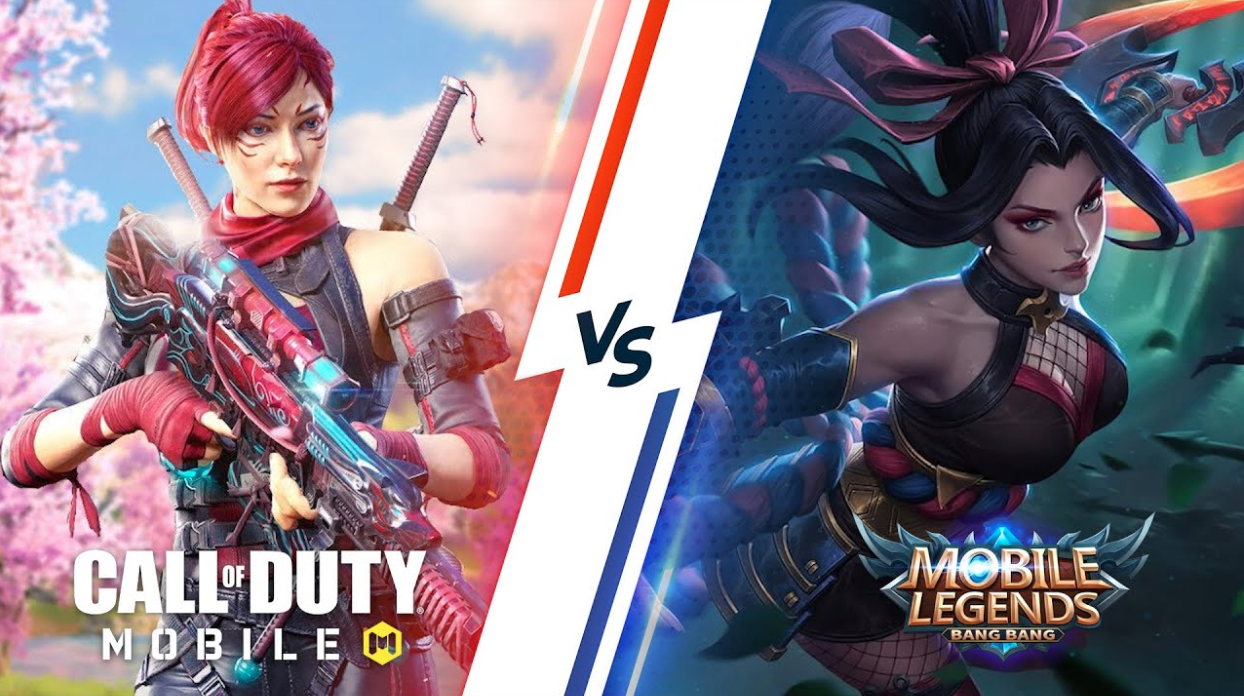
Clash of Clans players open the app roughly four times a day. PUBG Mobile players sit down for a 33-minute session before switching tabs. Wild Rift players, meanwhile, are counting down the minutes until the next ranked reset. Three genres, three completely different relationships with the same thing: your attention.
Player retention is the metric that matters more than downloads, install spikes, or the Twitch charts on launch weekend. If you can’t keep players around, nothing else you do as a developer pays off. And the battle for staying power on mobile looks very different depending on which genre you’re in.
Battle royale, MOBA, and strategy each attack the problem from completely different angles. One leans on adrenaline and unpredictable stories. One leans on mastery you can measure in hundreds of hours. One builds a base in your head that you cannot stop checking. Here’s how each genre actually performs, and which game mechanics do the heavy lifting.
The Player Retention Scoreboard
Before getting into the nuance, the raw numbers tell a blunt story. Strategy games, by the most common measure, look like the worst at retention. Day 1 retention for mobile strategy games sits at roughly 25.3%, well below genres like match-3 and puzzle. But Day 1 is a lousy stat to judge a strategy title by. The ones that survive the first week retain players for years.
Battle Royale tells a different story. It dominates time spent, clocking 12.69% of all mobile gaming session time, more than any other sub-genre. MOBA sits right behind at 10.61%. Both modes demand long, uninterrupted sessions in a market where most players just want to tap something for 90 seconds while waiting for coffee.
| Genre | Avg Session Length | Daily Sessions | Retention Hook |
| Battle Royale (PUBG Mobile / Fortnite) | ~33 minutes | 3 per day | Ranked ladder plus seasonal battle pass |
| MOBA (Wild Rift / Mobile Legends) | ~20 to 25 minutes | 2 to 4 per day | Champion mastery and Wild Pass |
| Strategy (Clash of Clans / Royale) | ~4 to 8 minutes | 4 per day | Upgrade timers and clan obligations |
The table explains something that the flat retention percentages cannot. Strategy games lose you fast on Day 1 because nothing dramatic happens in the first five minutes. But once you’re six weeks in with a maxed-out Town Hall and a clan you actually like, you will log in every day for years.
Battle Royale
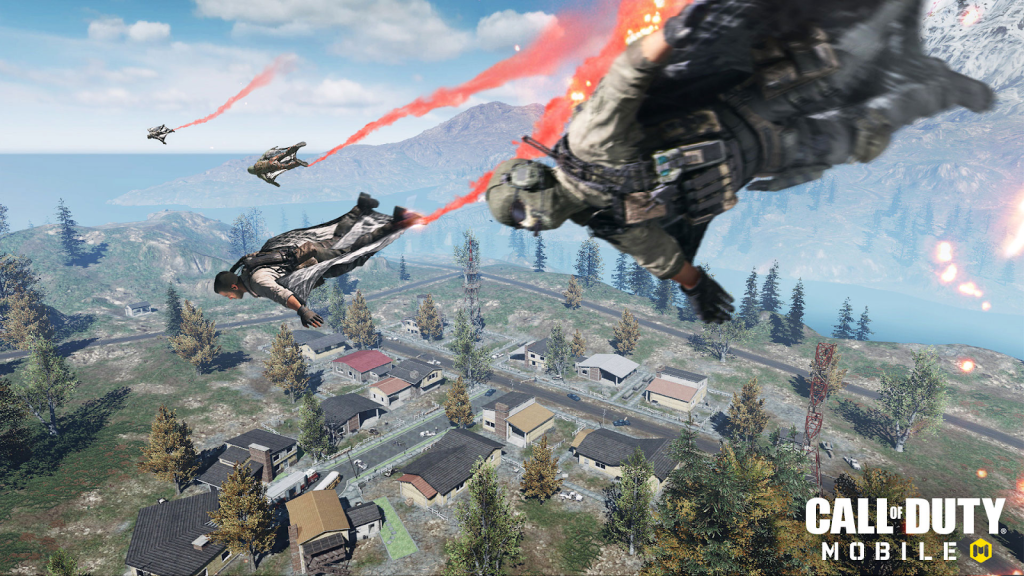
Battle royale games have a retention problem that nobody likes to talk about: they kill new players’ interest on purpose. The nature of battle royale is that 99 opponents go home empty-handed every match. That’s a brutal first experience for someone who has never dropped into a shrinking zone before, and the early game can feel like getting farmed by a twitch-reflex squad from across the map.
PUBG Mobile still manages roughly 32 million monthly active players despite that friction, and Fortnite sits on north of 110 million monthly actives across platforms. How? By making the grind genuinely fun on the way up. Ranked ladders give you a measurable goal, kill counters give you personal progression, and the battle pass hands out cosmetic carrots that aren’t tied to match wins.
Fortnite is the most interesting case here because Epic Games turned the genre on its head. Most BR titles live or die on their core PvP gameplay. Fortnite turned itself into a platform. Fortnite Creative is now a meta-game within the game, and weekly live events (concerts, map changes, IP crossovers) generate spikes in concurrent players that no pure FPS battle royale can match. Past events have pushed the game past 50 million concurrent players during peak moments. The retention trick is simple. If the core battle royale mode isn’t working for you, there are ten other game modes one tap away. That’s an approach only Fortnite has properly nailed.
The downside of the genre is that starting from scratch on a fresh account means grinding through levels just to unlock basic Battle Pass tiers. Some players shortcut that entirely by picking up a ready-to-go Fortnite account through BoostRoyal, which has become a common move for returning players who want to skip rebuilding a locker from zero and jump straight into the season’s new mode.
MOBA
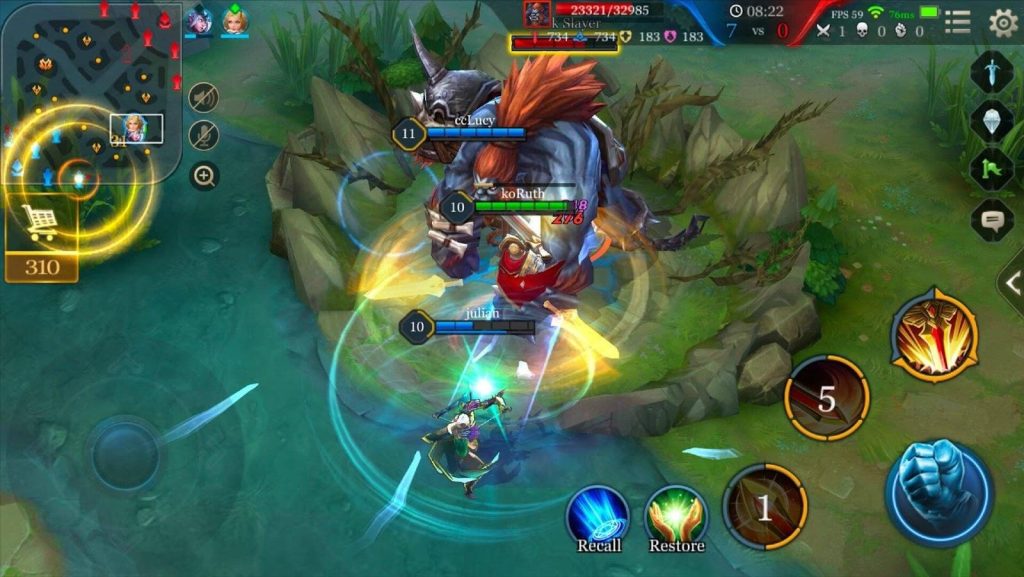
MOBAs should not retain players as well as they do. On paper, you have a 20-minute time commitment per match, a punishing learning curve, teammates who will absolutely blame you for their own positioning mistakes, and a cast of 100+ champions that takes hundreds of hours to learn properly. And yet Wild Rift has generated over $500 million in lifetime revenue, and Mobile Legends continues to dominate Southeast Asia with millions of daily active players.
The reason is counterintuitive. The learning curve is the retention mechanism. Every new player starts badly. Every returning player comes back slightly less bad. Progression in a MOBA isn’t handed out by the battle pass. It’s felt at the mechanical level, in the way you suddenly understand why your jungler ganked mid instead of your lane. That kind of growth is addictive in a way cosmetic unlocks never are.
MOBAs also have the best social glue of any competitive mobile genre. Ranked duos, five-stack Clash weekends, champion mastery grinds shared across a friend group: the structure punishes solo play and rewards communities. That’s the kind of game design that keeps players logged in for reasons that have nothing to do with the game itself. You show up because your friends are online. League of Legends built an entire esports empire on that principle, and Wild Rift inherited the playbook.
The genre’s weakness is that it can overwhelm new players within the first hour. Riot’s solution has been to funnel beginners into simplified modes like ARAM and bot matches before letting them touch ranked. Moonton takes a similar approach in Mobile Legends. It works, but D1 retention for a game with this much depth will never look pretty on a spreadsheet.
Strategy
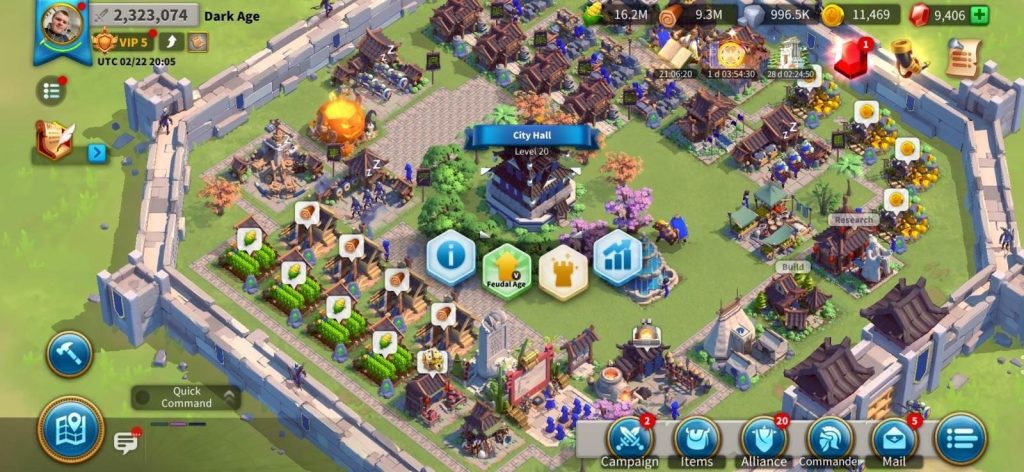
Strategy is the genre that every retention dashboard underestimates. The headline Day 1 number is rough. But the Day 90 and Day 365 numbers are the best in the industry. Clash of Clans is nearly a decade old and still pulls roughly 98 million monthly active users and 6.5 million daily active users. Clash Royale generates over $13 million a month, almost ten years after launch.
The mechanic doing most of the work is the upgrade timer. You queue a 14-hour build, you come back later to collect, you queue the next one. The game is playing in the background of your life, which is the most valuable form of engagement a free-to-play game can buy. PvE base management and PvP raiding trade off with each other in a rhythm that fits the phone: short sessions, frequent check-ins, meaningful progression every single time you log in.
Clan obligations are the secret weapon. Once you’ve joined a clan that expects you to donate troops and participate in Clan War, you are not quitting casually. You’d be letting people down. That social cost is why Supercell titles retain like nothing else on the platform, and it’s why Brawl Stars leaned harder into clubs with its late-2025 overhaul, which helped push its March 2026 revenue up nearly 47% to $48.6 million. For context, that single month outperformed most AAA console launches.
Strategy also has a quiet advantage that nobody talks about: the decision-making becomes its own reward. Figuring out the optimal attack composition against a particular base layout is genuinely satisfying in a way that clicking a bigger number on a ranked ladder is not. Once a player reaches that point, they’re not leaving.
The Battle Pass Is the Common Thread
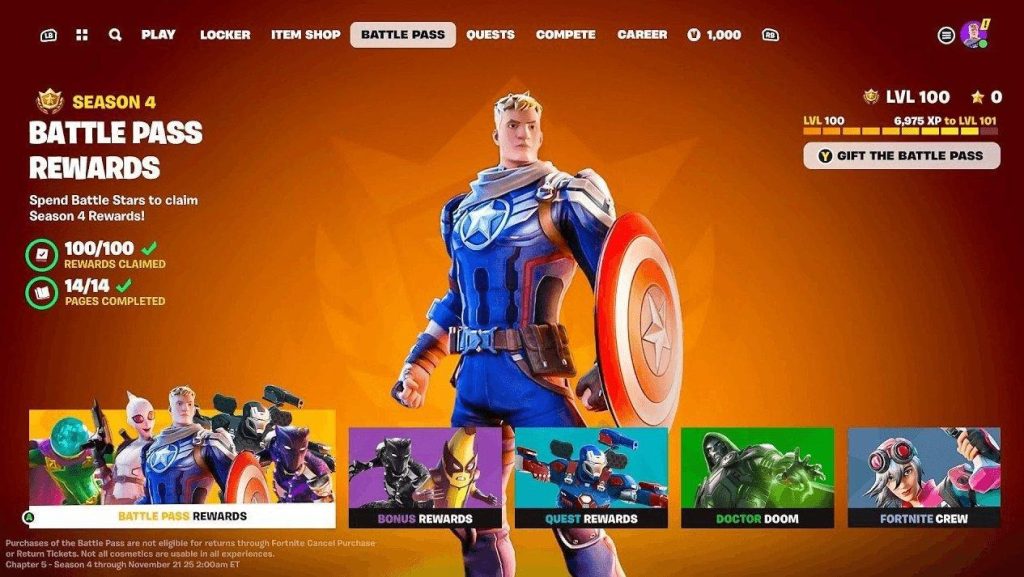
Across all three genres, the battle pass has become the universal retention crutch. Fortnite’s 950 V-Buck pass set the standard, Wild Rift cloned it, Mobile Legends cloned it, and Supercell shipped Brawl Pass 3.0 last December. The math is simple. A time-gated reward track gives players a reason to log in daily, and daily engagement does more for long-term player retention than any single gameplay feature.
The problem is that players juggling multiple titles now face three battle passes, three sets of daily challenges, and three countdown timers screaming at them from the notification center. Battle pass fatigue is a documented phenomenon in 2026, and the developers who are winning on retention are the ones building passes that feel rewarding even if you miss a week, not ones that punish you for taking a break.
Epic’s 2026 refinements to Fortnite are a good example. Adaptive difficulty scaling and catch-up XP systems mean lapsed players can return mid-season and still finish the pass. That’s the direction the whole industry is heading, because the alternative is losing players who decide the math isn’t worth it and never come back.
How Developers Optimize Each Genre for Staying Power
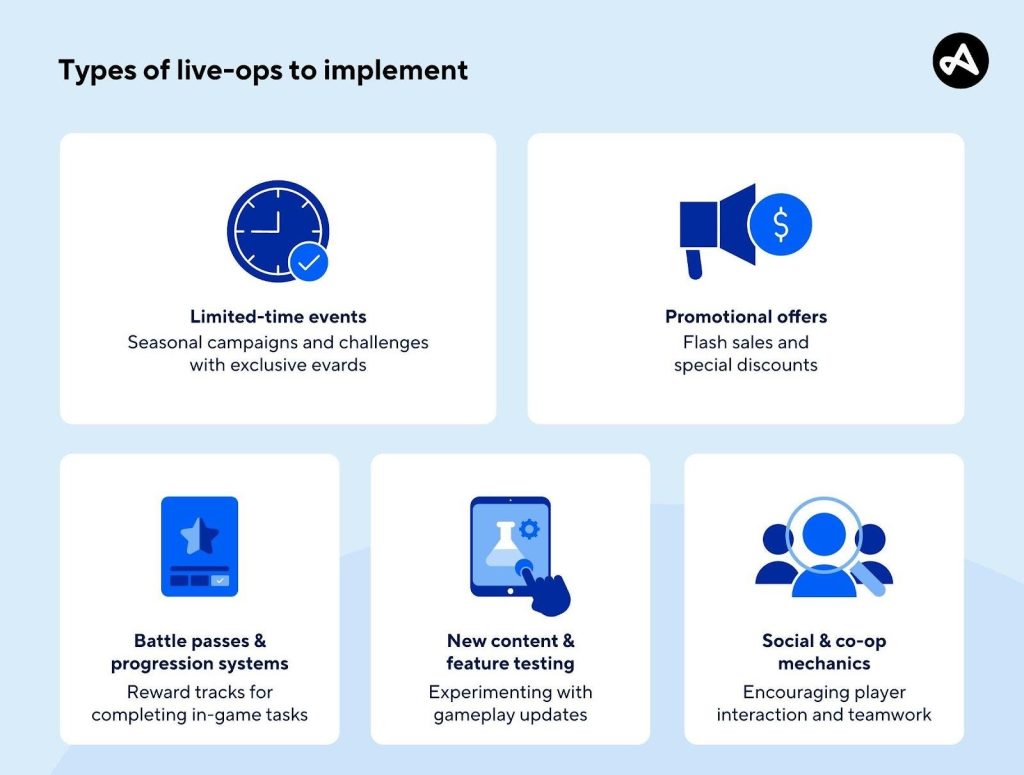
Every genre has to solve retention differently because the core loop demands different things from the player.
Battle royale titles need to soften the early game. Smart devs add bot-filled lobbies for new accounts, generous aim assist, guided loot paths on first drops, and arcade-style modes where the stakes are lower. PUBG Mobile’s arcade playlist and Fortnite’s Zero Build mode both exist because the genre’s default experience is too unforgiving for someone who just installed the game. Softer onboarding is also why the number of players looking for Fortnite accounts for sale has grown alongside the genre, because hardcore players want a shortcut past the low-rank bracket and into the level of play where the skill match is actually fun.
MOBAs need to get a new player to their first “aha” moment before they rage-uninstall. That means tutorials that actually teach positioning, not just ability hotkeys. It means bot matches where teammates don’t flame you. It means ranked restrictions that protect the bottom of the ladder from smurfs. Wild Rift’s tutorial flow is probably the best in the genre right now, and Mobile Legends has been iterating in the same direction.
Strategy games, paradoxically, need to slow players down. The best strategy game developers resist the urge to let players rush progression, because a Town Hall 15 base reached in three days has nowhere to go on day four. Tuning the early game so that upgrades feel meaningful and the endgame stays far enough away is its own art form, and Supercell has been explicit in its developer blogs about protecting the pacing curve that keeps players engaged for years.
The common thread across all three is that the early game is where retention is won or lost. A transformative first session, whatever “transformative” means for the genre, is what decides whether the player comes back tomorrow. Get that wrong, and no battle pass, no ranked ladder, and no Twitch tournament will save you.
The Genre That Actually Wins
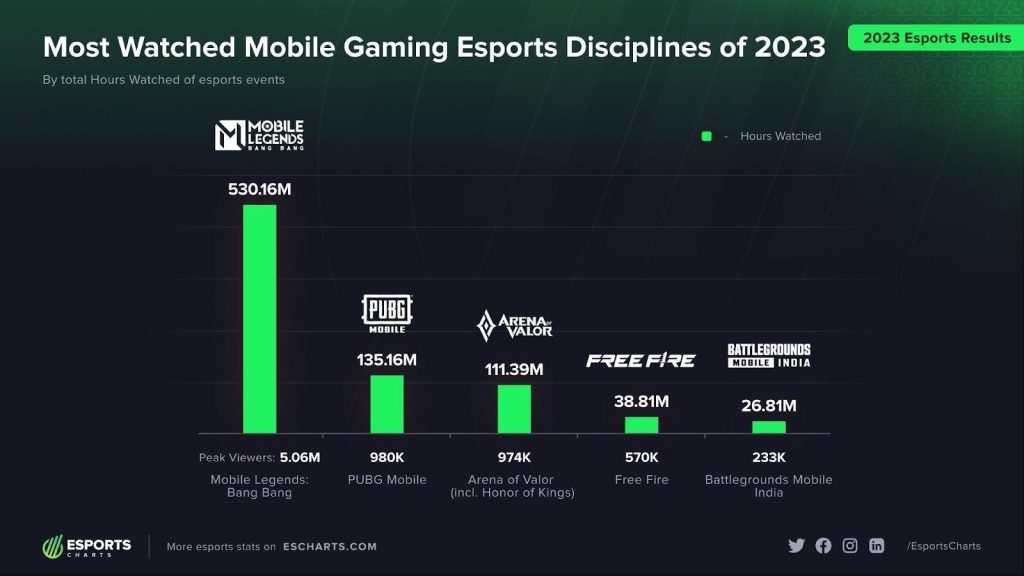
If you force a ranking, strategy wins on long-term retention because its social hooks and asynchronous gameplay fit how people actually use phones. MOBAs win out on engagement intensity because their skill ceilings keep players grinding for years. Battle royale wins on raw time spent, because matches are long and the stories players generate in them are unmatched by any other format.
But the genre that retains best depends on what you’re measuring. Day 1? Nothing beats a well-designed battle royale with a flashy first match. Day 30? MOBAs, if you survived the learning curve. Day 365? Strategy, and it’s not close.
The genres are converging anyway. Supercell’s Clash Royale is a strategy game shaped like a PvP arena. Fortnite is a battle royale wearing a live-service strategy coat. Wild Rift ships events that look more like battle passes than champion releases. The best retention mechanics are crossing genre lines because developers know you don’t have to pick one approach. You just have to know what problem you’re actually solving.
For players, the takeaway is simpler. The game that keeps you logged in a year from now isn’t going to be the one with the slickest graphics or the biggest launch. It’s going to be the one that built something you’d genuinely miss if you walked away.