

Early in February 2026, the cost of filling a diesel car in New Zealand was around the same as it had been for the majority of the preceding year. That same fill-up was almost twice as expensive by the end of March. That is not a gradual upward trend brought on by tax changes and inflation. It’s the kind of shock that appears in a single month’s bank statement and instantly alters how regular drivers, truck drivers, and farmers determine if they can afford their next trip. In just four weeks, the price of diesel increased by more than 80%, from about NZD $1.87 per litre in late February to over $3.40 by the end of March.
The Middle East conflict is the direct cause. Approximately one-fifth of the world’s oil and gas runs through the Strait of Hormuz, a narrow waterway that has been impeded by the U.S.-Israeli military action against Iran. The pressure on that chokepoint caused the price of Brent crude oil to rise past $115 per barrel globally, and the ripple effect quickly reached New Zealand’s service stations. The closing of Marsden Point, the nation’s sole oil refinery, in 2022 is the reason why New Zealand experiences these shocks more quickly and severely than many other nations.
New Zealand refined part of its own fuel from imported crude while that refinery was in operation. Every liter of gasoline, diesel, and jet fuel sold in the nation now comes from refineries in Singapore and other Asian countries as completed goods. There is no domestic buffer in the event that those supply systems are disrupted. The impacts of availability and pricing hit the pump almost instantly.
Important Information
| Field | Details |
|---|---|
| Average NZ Diesel Price (early April 2026) | Approximately NZD $3.43–$3.51 per litre — now higher than petrol in a reversal unprecedented in New Zealand’s recent history |
| Diesel Price (late February 2026) | Approximately NZD $1.87 per litre — an increase of roughly 80–87% in under 6 weeks |
| Petrol Price (91 octane, April 2026) | Approximately NZD $3.41–$3.43 per litre — rose approximately 35% over the same period |
| Primary Cause | U.S.-Israel war with Iran — closure of the Strait of Hormuz, which carries approximately one-fifth of the world’s oil and gas; Brent crude pushed above $115/barrel |
| Road User Charges (RUC) | Diesel vehicles in NZ do not pay fuel excise; instead pay RUCs based on distance and vehicle weight — approximately $8 per 100 km for trucks — Finance Minister Nicola Willis ruled out any RUC reduction |
| Marsden Point Factor | NZ’s only oil refinery closed in 2022 — the country now imports 100% of its refined fuel; disruption to Gulf shipping routes hits NZ faster and harder than most countries |
| Cost to Freight Industry | National Road Carriers Association estimate: collective diesel users paying $14 million per day more than before the Iran conflict began |
| NZ Fuel Reserve (March 22) | 46.4 days total — 18.1 days onshore, 28.3 days on water |
| Government Response | Temporarily allowed Australian-specification fuel; ruled out fuel excise cut or RUC reduction; focus on ensuring supply continuity |
| Price Tracking | Gaspy app — real-time community-reported fuel prices by region and station; most accurate tool for finding cheapest diesel near you |
The aspect that most people were interested in was the reversal of diesel and gasoline costs, with diesel surpassing 91 octane gasoline. Because fuel excise duty raises the price of gasoline at the pump while diesel users pay separate Road User Charges, diesel has generally traded lower in New Zealand than gasoline. A diesel surge that has advanced at more than twice the rate of petrol’s increase has nearly destroyed that framework, which was intended to attain rough balance between the two systems.
In the five or six weeks following the beginning of the conflict, petrol prices increased by about 35 percent on average. Diesel increased by more than 85%. The disparity reflects the dynamics of the two fuels’ global markets: diesel is produced from crude oil in smaller amounts than gasoline, about one barrel of diesel for every two of gasoline from a typical refinery batch, and diesel is still in high demand worldwide for freight and industry despite rising prices.
The math is immediate and harsh for farmers and shipping companies. Ten days ago, filling up a car cost $140; today, it costs $250. According to estimates from the National Road Carriers Association, diesel users were paying $14 million more every day than they had prior to the start of the war. Invoices in the logistics industry are starting to include freight surcharges.
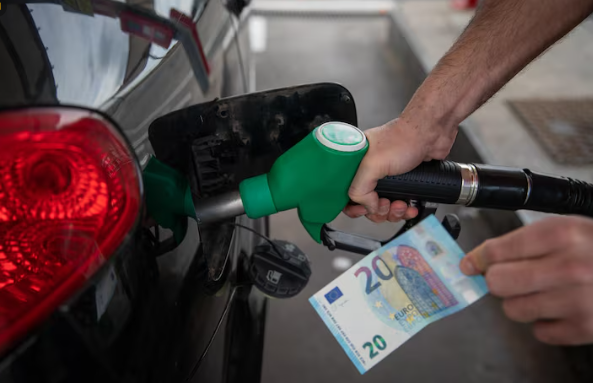
Due to stations running out of diesel before being replenished, livestock haulers reported experiencing regional diesel shortages in late March. Fuel queues have turned into financial difficulties for contractors that burn 5,000 liters per day, which is common in the forestry and earthmoving industries. Because almost everything that ends up on a supermarket shelf comes from a diesel truck, food manufacturers and merchants are worried that grocery prices may follow.
In response to industry pressure, Finance Minister Nicola Willis declined to lower road usage fees for diesel users. She reasoned that if diesel users received relief, the fairness principle that underpins the RUC system—that road users contribute equally regardless of what they drive—would create an expectation of petrol excise reductions. For the first time in the modern history of road transport in New Zealand, diesel operators are practically paying increased pump prices and unchanged RUCs at the same time, making their overall operating costs far greater than those of their petrol-powered counterparts.
Speaking to RNZ in early April, the CEO of the Waitomo Group hinted that some respite was on the way as oil markets reacted to the Iran conflict ceasefire. How soon those price reductions reach the pump will depend on how long the ceasefire lasts and whether the Strait of Hormuz is completely open to commerce. He pointed out that diesel would require more time to relax than gasoline. The instability in the data series caused the MBIE weekly fuel price monitoring release to be temporarily halted for a few weeks in March. This detail, in a modest manner, reflected how uncommon the situation had become.