

In the UK, purchasing an electric vehicle offered a subtle but significant financial benefit for more than 20 years: there was no road tax. The exemption was deliberate policy, designed to nudge drivers toward lower-emission vehicles at a time when EVs were expensive, range anxiety was genuine, and the charging infrastructure barely existed outside major cities. It was successful in that the sector flourished and EV usage increased annually. That exception will no longer apply as of April 1, 2026, and the changes will affect nearly every automobile on British roads in ways that many drivers haven’t fully realized yet.
The change in the headline is rather simple. The standard annual Vehicle Excise Duty rate for cars registered after April 2017 rises from £195 to £200 — a modest five-pound increase that sounds trivial in isolation but applies to petrol, diesel, hybrid, and electric vehicles alike. This is the number that most drivers see on their renewal notice and pay without giving it much attention. What requires more attention are the changes at the extremes of the market, where the numbers are considerably larger and the policy signals considerably more deliberate.
| UK Car Tax (VED) Changes — Effective April 1, 2026 | |
| Standard Annual Rate | £200 per year — up from £195; applies to all cars registered after April 2017 including petrol, diesel, hybrid, and electric vehicles |
|---|---|
| New Zero-Emission Cars (EVs) | £10 first-year rate, then £200 standard rate from year two — ending the full VED exemption that EVs have held since 2001 |
| Luxury Car Supplement (EVs) | Expensive Car Supplement threshold rises to £50,000 list price — only EVs costing £50,000 or more will pay the additional £440/year surcharge |
| High-Emission Vehicles (Band M) | £5,690 first-year rate — up £200 for cars producing over 255g/km CO₂; among the steepest single-year VED increases in the system’s history |
| Older Cars (March 2001–April 2017) | Annual rates rise across all CO₂ bands — top-band cars increase to £790 per year; based on emissions declared at time of registration |
| Company Car & Future Changes | |
| Benefit-in-Kind (BiK) Rate — EVs | Rises from 3% to 4% for the 2026/27 tax year — still significantly lower than petrol/diesel company cars, maintaining the EV advantage for fleet buyers |
| Future: Pay-Per-Mile Tax | An electric vehicle road pricing system (eVED) is under development — expected to launch around 2028, charging EVs and hybrids based on distance driven rather than a flat annual rate |
| Effective Date | All changes apply from April 1, 2026 — new rates affect first-year registration fees immediately and standard renewal rates at next renewal date |
At the top of the emissions scale, first-year rates for the highest-polluting vehicles — those producing over 255 grams of CO₂ per kilometre, classified as Band M — rise by £200 to £5,690 for the first year of registration. It’s not a rounding error. Buying a new car in that category in 2026 means handing over nearly six thousand pounds in road tax before the end of the first year of ownership, in addition to the purchase price, insurance, and whatever fuel costs the vehicle generates. The government has been ratcheting these rates upward for several years, and the trajectory is not ambiguous — owning a high-emission vehicle in Britain is being made progressively and deliberately more expensive.
The electric vehicle picture is more nuanced than the headline suggests, and worth reading carefully. New zero-emission cars will pay a £10 first-year rate — essentially a nominal charge rather than a meaningful tax — before moving to the standard £200 annual rate from year two. The exemption is ending, but the replacement rate is still the same flat figure that applies to every other car registered after April 2017, which means EVs are not being singled out for punitive treatment so much as being brought into the standard system.
The real debate in the EV community has been about the Expensive Car Supplement — the additional £440 annual charge that applied to any car with a list price above £40,000, which previously hit a disproportionate share of EVs given how expensive they tend to be. That threshold rises to £50,000 from April 2026, which removes the surcharge from a meaningful number of mid-range electric models and is broadly seen as a concession to the industry’s concerns.
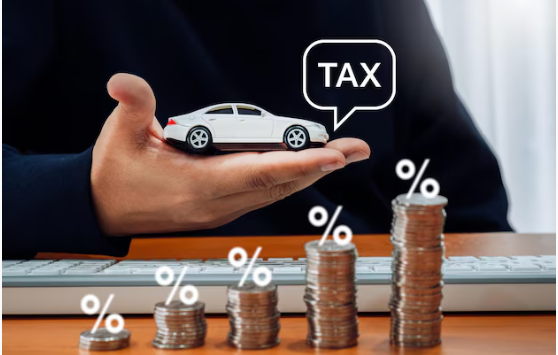
Company car drivers and the businesses that manage fleets have been watching the Benefit-in-Kind figures with particular attention. The BiK rate for fully electric company cars increases from 3% to 4% for the 2026/27 tax year — still a fraction of the rates applied to petrol and diesel vehicles, which makes the EV advantage for company car taxation very much intact.
A driver choosing between a diesel executive saloon and an equivalent electric model on the company car scheme is still looking at a substantial annual tax saving with the electric choice, even after the rate increase. That calculation hasn’t fundamentally changed, even if the headline number has moved.
For owners of older vehicles — those registered between March 2001 and April 2017 under the pre-2017 CO₂ banding system — annual rates are also rising across the board, with the highest-emission band in that cohort reaching £790 per year. These are cars that are already a decade or more old, and their owners tend to be keeping them running out of financial necessity rather than preference. There’s a feeling that this particular part of the rate increase lands harder on people with less flexibility to respond to it.
Looking further ahead, the pay-per-mile road pricing system for electric and hybrid vehicles — currently described as eVED and expected around 2028 — is the change that will most substantially reshape the economics of EV ownership if it proceeds as currently envisaged.
The flat annual rate is simple and predictable. Distance-based charging is neither. How it gets designed, what exemptions or caps apply, and how it interacts with the existing VED structure will determine whether the 2026 changes feel, in retrospect, like a modest transition or merely the first step in something considerably larger.