

The envelope that arrives in October has a certain quality. In the kitchen, the majority of mail is swiftly sorted; catalogs are thrown out, invoices are put aside, and occasionally a personal letter is actually opened. However, the property tax bill for Los Angeles County usually arrives in a different way. For a moment, it remains on the counter. People take it up, glance at the number, and then put it back down.
They then take another look at it. The number could be reasonable for seasoned homeowners, but it is still startling. The bill can be a genuinely significant annual obligation for recent buyers in a county where median home prices have been rising into the millions for years. Most people understood this obligation in theory before making a purchase, but it feels much more real when it is delivered to them personally.
| Los Angeles County Property Tax — Key Information | |
| Governing Authority | Los Angeles County Assessor — currently Jeffrey Prang; responsible for determining the assessed value of all taxable property in the county |
|---|---|
| Key Offices Involved | Four offices administer the system jointly: the Assessor, Auditor-Controller, Treasurer and Tax Collector, and the Assessment Appeals Board |
| First Installment Due | November 1 — delinquent after December 10; a 10% penalty applies to all unpaid first installment balances after that date |
| Second Installment Due | February 1 — delinquent after April 10; a 10% penalty plus $10 cost applies to unpaid second installment balances |
| Online Payment Portal | Payments can be made by e-check (free) or credit/debit card (service fee applies) — search by property address, parcel number, or bill number |
| Self-Service & Appeals | |
| Property Tax Bill Lookup | The Property Tax Management System allows homeowners to view current bills, payment history, and mailing address updates online at any time |
| Assessment Appeals | Property owners who believe their assessed value is incorrect may file with the Assessment Appeals Board — filing windows and deadlines vary by assessment type |
| Mailing Address Changes | Changes can be submitted directly through the Assessor’s online self-service portal — important for ensuring tax bills reach the correct address, particularly for properties held in trusts or LLCs |
| Proposition 13 Framework | California’s Prop 13 caps assessed value increases at 2% per year for existing owners — reassessment to current market value occurs upon sale or new construction |
Due to its size—it encompasses more than 4,000 square miles and has over 10 million citizens spread over dozens of incorporated cities—as well as its governance system, Los Angeles County has one of the most complicated property tax administrations in the country. The system is overseen by four distinct offices: the Assessor establishes the value of taxable property; the Auditor-Controller computes tax rates and applies them to those values; the Treasurer and Tax Collector oversees billing, payment collection, and delinquency procedures; and the Assessment Appeals Board offers the official procedure for property owners who contest their valuations.
The current Assessor, Jeffrey Prang, is in charge of the office in charge of that fundamental step, which is the number from which everything else originates. It is necessary to have at least a cursory understanding of Proposition 13, California’s historic 1978 ballot initiative that changed property taxes throughout the whole state, in order to comprehend how that figure is determined. The assessed value of a property is determined at the time of purchase under Prop 13, and increases are limited to a maximum of 2% annually, regardless of what happens to actual market values in the years that follow.
A homeowner who purchased a Silver Lake home in 1995 and has never sold it may be paying property taxes based on an assessed valuation that has little to do with what the property would fetch on the current market. This has had a significant practical impact over decades. In contrast, two similar residences on the same block may have significantly different tax bills based just on the date of purchase because new owners are instantly taxed at the current purchase price.
For the Assessor’s office, which has to keep track of millions of plots in different ownership, construction, and renovation statuses while applying uniform standards to each, this dynamic creates true complexity. Reassessment is triggered by new construction, even in cases where ownership remains unchanged.
Exclusions that maintain the lower assessed value may be available for some transfers between family members. The self-service alternatives on the Assessor’s website, including as address updates and ownership information tools, are more important than they might first seem because ownership changes through companies like trusts or LLCs can impact when reassessment takes place.
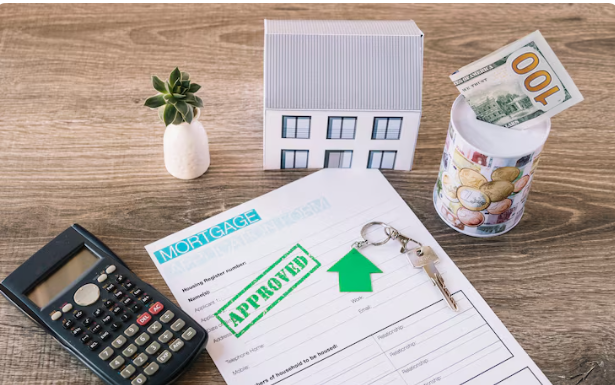
Understanding the billing calendar’s consistent pattern makes managing it easier. The annual tax bill’s first installment is due on November 1st, and if it is not paid by December 10th, a 10% penalty will automatically be applied. The second installment, which has the same 10% penalty and a $10 administrative fee, is due on February 1st and becomes delinquent after April 10th.
It’s important to note that there is no service cost when using the county’s online gateway to pay by electronic check, while using a credit card can result in a convenience fee that can mount up significantly on a large payment. Property owners can view payment history, amend postal addresses, and look up their bills by address, parcel number, or bill number using the county’s Property Tax Management System. This is especially useful for those whose tax bills are sent to a different address than the property itself.
The Assessment Appeals Board offers a formal channel for property owners to contest their assessed value if they think it is erroneous due to a reassessment error, an incorrect property categorization, or a change in the property’s physical condition that should lower its worth. For a property with a greatly inflated assessment, the financial return on that effort can be large, but filing windows are time-limited and the procedure include paperwork and possibly a hearing. Whether enough property owners utilize this procedure in comparison to those who have good reason to do so is still up for debate.
From a distance, it’s difficult to ignore how much the system requires of the average homeowner: comprehending a structure created in 1978, keeping track of two yearly deadlines, navigating four different county offices, and knowing when and how to contest a valuation that most people take for granted. The equipment is available. The procedure is recorded. However, in the end, it is solely the bill holder’s job to comprehend it.