

The valley flatness gives way to foothill oak trees, Spanish-tile rooftops, and the kind of planned subdivisions that indicate wealth is leaving the city when you drive east from Sacramento on I-80. Over the past ten years, communities like Roseville, Rocklin, and Lincoln have experienced tremendous growth, attracting families seeking better schools, more space, and a different pace of life. The true cost of property ownership in Placer County is something they frequently fail to fully account for, at least not until the first tax bill comes in the mail. Depending on the assessed value of your house, the answer may be depressing.
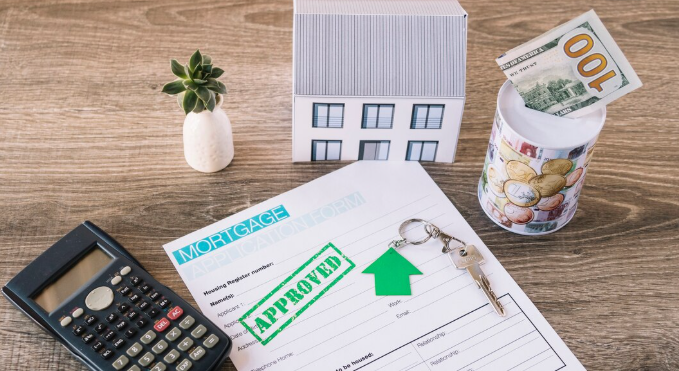
Based on a median home value of approximately $506,842 and an effective tax rate of 1.12%, the median annual property tax bill in Placer County is $5,928. That amount is $3,528 more than the national median tax bill; considering how rapidly California home values have increased over time, this disparity probably surprises more people than it should. However, there is a subtle comfort in the analogy: The fact that Placer County’s rate is lower than California’s statewide median of 1.21% indicates that the county may not be extracting as much as it could. Although it doesn’t make writing the check any simpler, it is important to comprehend.
Placer County Property Tax — Key Facts 2026
| County | Placer County, California |
| Population (2020 Census) | 404,739 |
| Median Effective Property Tax Rate | 1.12% (vs. national median 1.02%) |
| California Statewide Median Rate | 1.21% (Placer County is below state average) |
| Median Home Value | $506,842 |
| Median Annual Tax Bill | $5,928 |
| National Median Tax Bill | $2,400 (Placer County runs $3,528 above this) |
| 1st Installment Due / Delinquent | November 1 / December 10 |
| 2nd Installment Due / Delinquent | February 1 / April 10 |
| Online Payment Portal | placer.ca.gov (requires 12-digit Assessment or Fee Parcel Number) |
| Online Credit/Debit Card Fee | 2.45% (min. $2.75); eCheck: no fee |
| Returned eCheck Penalty | $65.00 + applicable statutory delinquency fees |
| Tax Collector Phone | 530-889-4120 |
| Basis for Assessment | Assessed value (often lower than market value; exemptions may apply) |
| 2026 Minimum Sales Tax Rate | 7.25% (combined state, county, and city) |
Proposition 13, which was passed in 1978 and capped the annual increase in assessed value at 2% regardless of market conditions, continues to cast a long shadow over California’s property tax system. This has the practical consequence that, depending on when they purchased their homes, neighbors on the same street may have radically different tax bills. Even though their homes appear to be identical from the curb, a buyer who closed escrow last spring and someone who bought in 2003 have very different financial realities. The idea that the system prioritizes longevity over equity, even if that wasn’t the original intention, may cause more annoyance than the actual tax rate.
Placer County has at least made an effort to update the bill payment procedures. If homeowners have their 12-digit Assessment Number or Fee Parcel Number, which is usually located in the upper left corner of the tax bill, they can make an online payment through the county’s payment portal. The county processes electronic payments through a third-party vendor called Invoice Cloud, which functions fairly well but adds a convenience fee of 2.45% for credit and debit card transactions, with a minimum fee of $2.75. Although the system has a disclaimer that should be carefully read, paying by eCheck completely avoids that fee. It cannot verify your routing or account number, nor can it confirm that there are enough funds. A $65 penalty and any applicable delinquency fees are imposed when an eCheck is returned. That’s an expensive error for something that could be caused by typing a number incorrectly.
The payments are made according to a schedule that hasn’t changed in years. On November 1st, the first installment is due; on December 10th, it becomes delinquent. Delinquency begins on April 10 and the second installment is due on February 1. There is no gray area when it comes to missing these dates. Penalties are automatic, real, and difficult to waive. Speaking with homeowners who have been hit by a late payment gives the impression that the county is not very understanding of the calendar. This is their right, but it’s important to understand this before assuming there is a grace period.
Many homeowners are confused about what the assessed value truly reflects and what it doesn’t. Due in part to exemptions such as the homestead exemption, senior exemptions, and others, as well as the Prop, the assessed value used for tax purposes is frequently less than the property’s actual market value. 13 framework limiting yearly growth. This means that, depending on their individual exemption status and purchase history, two people may live in identically valued homes and pay noticeably different taxes. In certain situations, knowing which exemptions apply to your package can result in significant savings. The number of homeowners who are losing money because they failed to file the necessary paperwork is still unknown.
It’s difficult not to wonder where the assessed values will go from here given the larger trajectory of Placer County’s housing market. The region’s home prices have remained steadily high, and as new buyers enter the market at current prices, their tax base is reset to a higher level. The long-term effect is a steady increase in the county’s total tax revenue, not due to rate hikes but rather to the straightforward math of costly new transactions taking the place of older, lower-assessed ones. That’s comfortable for homeowners who purchased years ago. The $5,928 median is more of a floor than a ceiling for anyone making a purchase today.