
Berkshire Hathaway’s cash pile fell to $365.5 billion at the end of June, down from $397.4 billion at the end of March, as new chief executive Greg Abel moved to deploy capital across share buybacks, equity purchases, and a major homebuilding acquisition that the company’s earnings report had declined to value.
Net income for the quarter reached $25.6 billion, more than double the $12.3 billion recorded in the same period last year, according to the company’s latest quarterly results published on Saturday.
Taylor Morrison Deal Puts a Number on the Spending
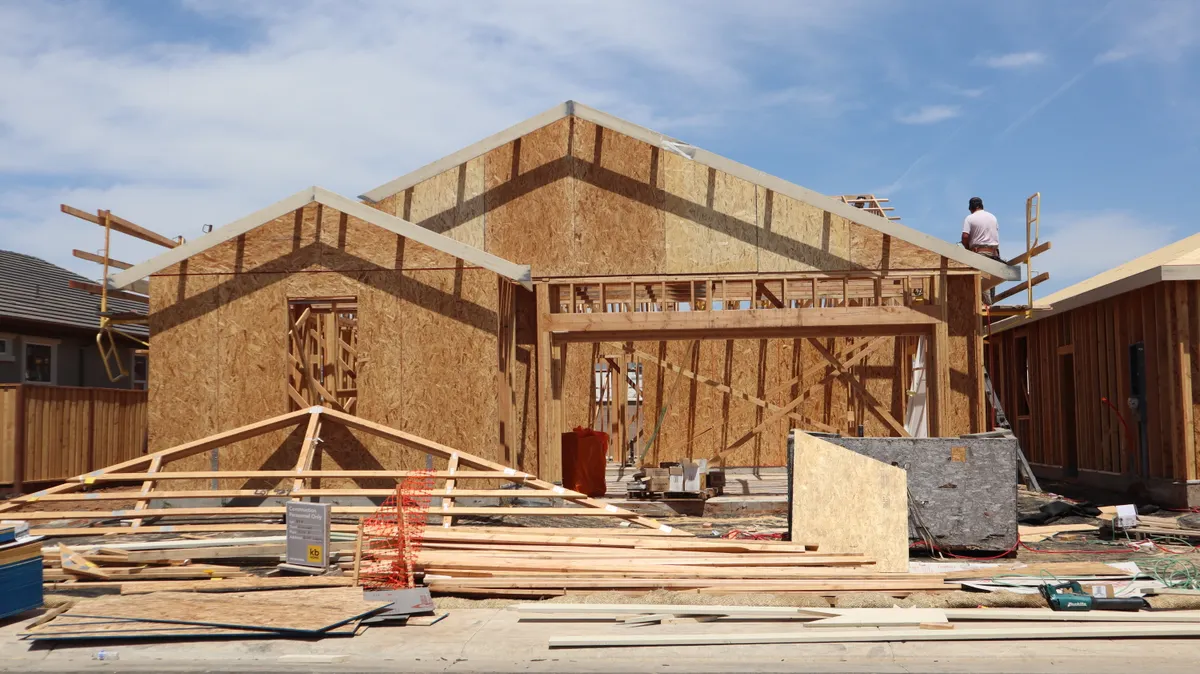
The largest single deployment was the acquisition of Taylor Morrison Home Corporation, completed on 24 July. Berkshire paid $72.50 per common share in cash, representing a total equity value of approximately $6.8 billion and a total enterprise value of approximately $8.5 billion, according to the Taylor Morrison investor relations announcement.
The offer price carried a premium of approximately 24% to Taylor Morrison’s closing stock price before the deal was announced, as disclosed in the joint press release filed with the SEC on 31 May 2026, the date the merger agreement was signed.
Taylor Morrison chief executive Sheryl Palmer will remain in post and oversee the integration of the company’s portfolio of brands, including Esplanade, Yardly, and Taylor Morrison Home Funding, with Berkshire’s existing site-built homebuilding arm, Clayton Properties Group. The SEC filing confirming the merger’s completion sets out the structure of that combined operation.
Together, Taylor Morrison and Clayton Properties Group delivered nearly 23,000 site-built home closings in 2025, operate across 21 states and 52 housing markets, and serve more than 700 communities nationally. That scale positions the combined business as the fourth largest homebuilding operation in the United States, according to the Taylor Morrison announcement.
How the Cash Pile Is Being Deployed Under Abel
The Taylor Morrison deal was not the only major outlay. Berkshire’s Q2 2026 quarterly report discloses that on 1 October 2025, Berkshire completed the acquisition of OxyChem, Occidental Petroleum’s chemicals unit, for cash consideration of approximately $9.4 billion including certain post-closing adjustments, with preliminary values of OxyChem’s assets placed at $10.7 billion as of the acquisition date.
On the equities side, the company said cash also went toward repurchasing its own shares and buying stocks. The last time Berkshire bought more stocks than it sold was in 2022. Its largest equity holdings include the Coca-Cola Company, American Express, Bank of America, Alphabet, and Apple.
Abel officially took the helm in January, following Warren Buffett’s retirement last December. In a February letter to shareholders, Abel set out the framework guiding capital allocation. ‘When we expand existing operations, acquire new operating businesses, invest in equity securities, and repurchase Berkshire stock, we evaluate each opportunity based on its potential to grow Berkshire’s intrinsic value per share over a time horizon measured in perpetuity,’ he wrote.
Abel also pushed back on the idea that a large cash balance signals inaction. ‘Many times in Berkshire’s history, some observers have suggested that our substantial cash position signals a retreat from investing. It does not. We continue to evaluate many opportunities and will remain patient and disciplined in pursuing the right ones for the benefit of our owners,’ he wrote.
The shift in posture comes against a backdrop of solid but slightly lower operating performance. The Berkshire Hathaway 2025 shareholder letter states the company delivered operating earnings of $44.5 billion in 2025, below the $47.4 billion recorded in 2024, though above the $37.5 billion average over the prior five years.
CNBC reported that analyst Christopher Bloomstran estimates Berkshire’s intrinsic value gained 9.3% in 2025 to reach $1.1 trillion, and believes Abel may prove more aggressive with the company’s cash than Buffett was.
Whether that proves true may hinge on what Abel does next with the $365.5 billion that remains: still a formidable sum, but no longer growing.