

Meta title
What Goes Into Launching a White Label Crypto Card
Meta description
A white label crypto card lets a business issue branded debit cards funded by crypto balances, without becoming a card issuer itself. Here is how the pieces fit together.
URL slug
launching-a-white-label-crypto-card
Image alt text
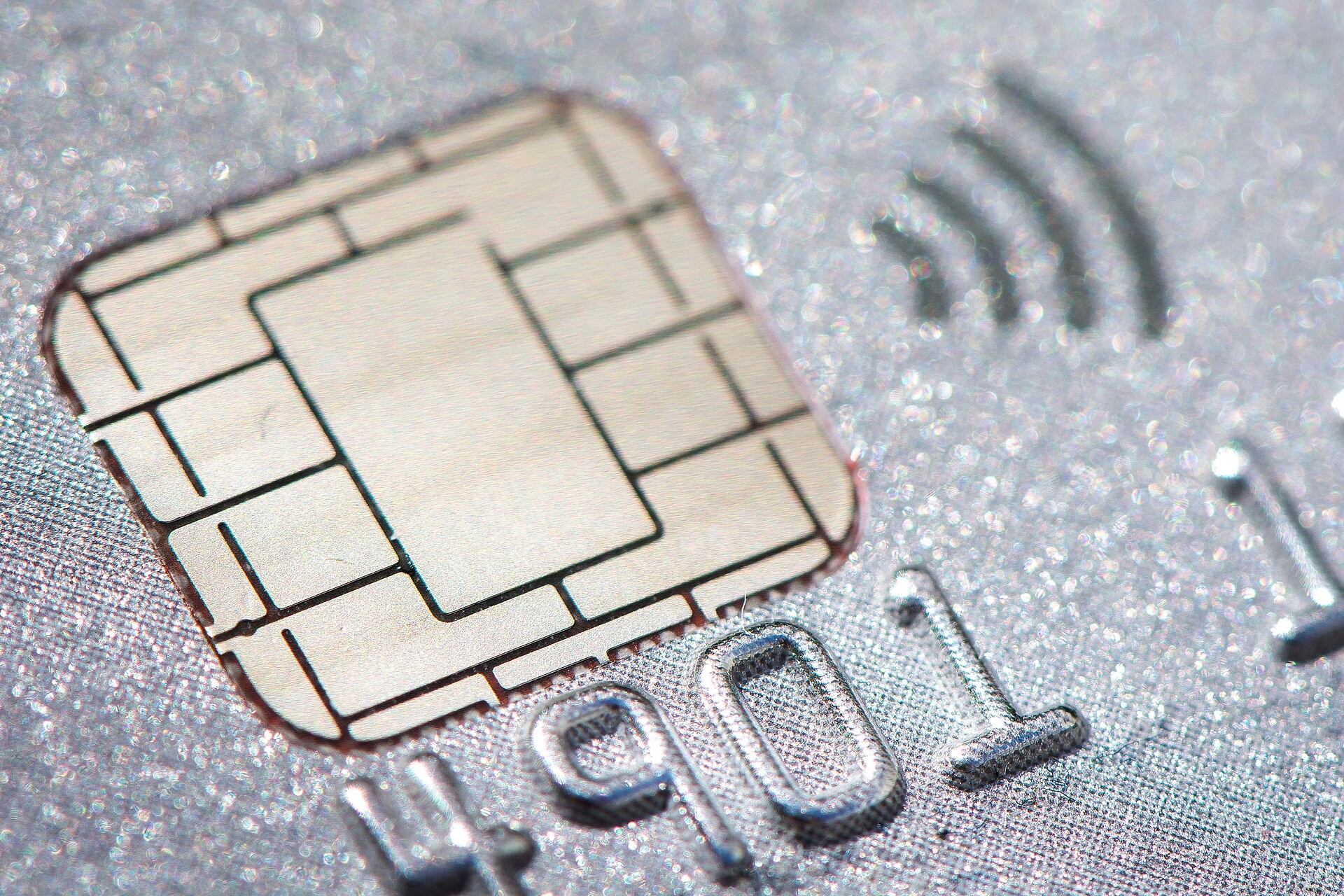
Close-up of a bank card chip and the contactless payment symbol
What Goes Into Launching a White Label Crypto Card
The card a customer holds is only the visible layer of a much larger issuing stack.
A crypto card looks simple from the customer’s side: top it up with crypto, spend it anywhere cards are accepted, and the conversion happens automatically. Behind that simplicity sits a stack of licensed infrastructure that most businesses have no interest in building themselves. That is exactly what a white label crypto card program is for.
What the customer actually experiences
From a user’s perspective, a crypto card behaves like any other debit card. They load it from a crypto wallet, the balance converts to fiat at the point of sale, and the card works at any merchant that accepts the underlying card network. The crypto part is invisible at checkout.
What sits behind that experience
Issuing a card is a regulated activity, so a white label program typically brings together several pieces a business would otherwise need to source separately:
* Card issuing partner. A licensed issuer that actually creates the card under a card network’s rules.
* Card network membership. Access to the payment rails that let the card work at merchants worldwide.
* Crypto-to-fiat conversion. Real-time or near-real-time conversion so a purchase debits the right fiat amount.
* KYC and compliance. Identity verification and ongoing monitoring, required before a card can be issued to a customer.
* Card management tooling. Freezing, replacing, setting limits and monitoring spend, usually through an app or dashboard.
A white label provider packages these pieces so the business launching the card does not need a banking licence or a direct card network agreement of its own.
Physical or virtual, and why it matters
Programs typically offer both:
* Virtual cards issue instantly and work for online purchases and mobile wallets immediately.
* Physical cards take longer to produce and ship but are necessary for in-person spending and ATM access.
Most programs launch virtual first, since it gets users spending immediately while physical cards are still in production and delivery.
Questions worth asking before choosing a program
* Which card network does the program use, and where is it accepted?
* What is the actual cost structure: issuing fees, transaction fees, FX spread and any monthly charges?
* How is KYC handled, and how much of that process can carry the business’s own branding?
* What happens to funds while a card is in production, and how are chargebacks or disputes handled?
Why businesses choose white label over building an issuing program alone
Direct card issuance requires a banking or e-money licence in most jurisdictions, a relationship with a card network, and compliance infrastructure that takes years to build from scratch. A white label crypto card program compresses that timeline to weeks or months by using infrastructure that already has the licences and network relationships in place, leaving the business to focus on the product experience and its own customer base.
The bottom line
The card in a customer’s wallet is the easy part to imagine. The licensing, network access, compliance and conversion logic behind it are the part that actually takes time to build, and that is precisely what a white label program exists to shortcut.