

A Christmas party can be booked, paid for and well attended while still missing a large part of a company’s workforce. The night team may be starting work as the event finishes. Drivers may be on the road. Part-time staff may have caring commitments that make an evening invitation difficult to accept. For those people, the annual celebration can pass without much acknowledgement.
Research published by gifting business Huggg in September 2026 gives employers a reason to look more closely at who receives a festive thank you. Its August survey of 500 UK working adults found that 31% said their employer gave them nothing at Christmas. The figures were unweighted and self-reported, so they should be treated as an indication of current practice within that sample rather than a precise measure of every UK workplace.
The useful question for a business is who its own arrangements reach. A party attendance list will only answer part of that question. A company with several locations, different shifts or people working away from head office needs a plan that includes those employees before the invitations go out.
Start with the rota rather than the guest list
Planning usually begins with the most visible group. Someone circulates an email, asks how many people want to attend and books a venue around the replies. Employees who rarely check a company inbox or cannot leave their workplace together can disappear from the process without anyone deciding to exclude them.
Use the staff list and shift patterns to establish who should receive the Christmas acknowledgement. Separate that decision from whether someone can attend a meal. Check smaller sites, weekend teams and employees on leave. Managers should know how colleagues who are absent from the main event will be included, rather than trying to improvise after the party has happened.
This also prevents an expensive event from using the entire budget before a business has considered other staff. If attendance is optional but the invitation is difficult to accept, the people who cannot go should not have to ask whether there is anything for them.
Give people something they can take home
A shared box of food in the staff room can work well for one team, but it needs managing across shifts. If it is opened at lunchtime, employees arriving later may find the popular items have gone. Individual gifts remove that uncertainty and allow each person to decide when to enjoy the contents.
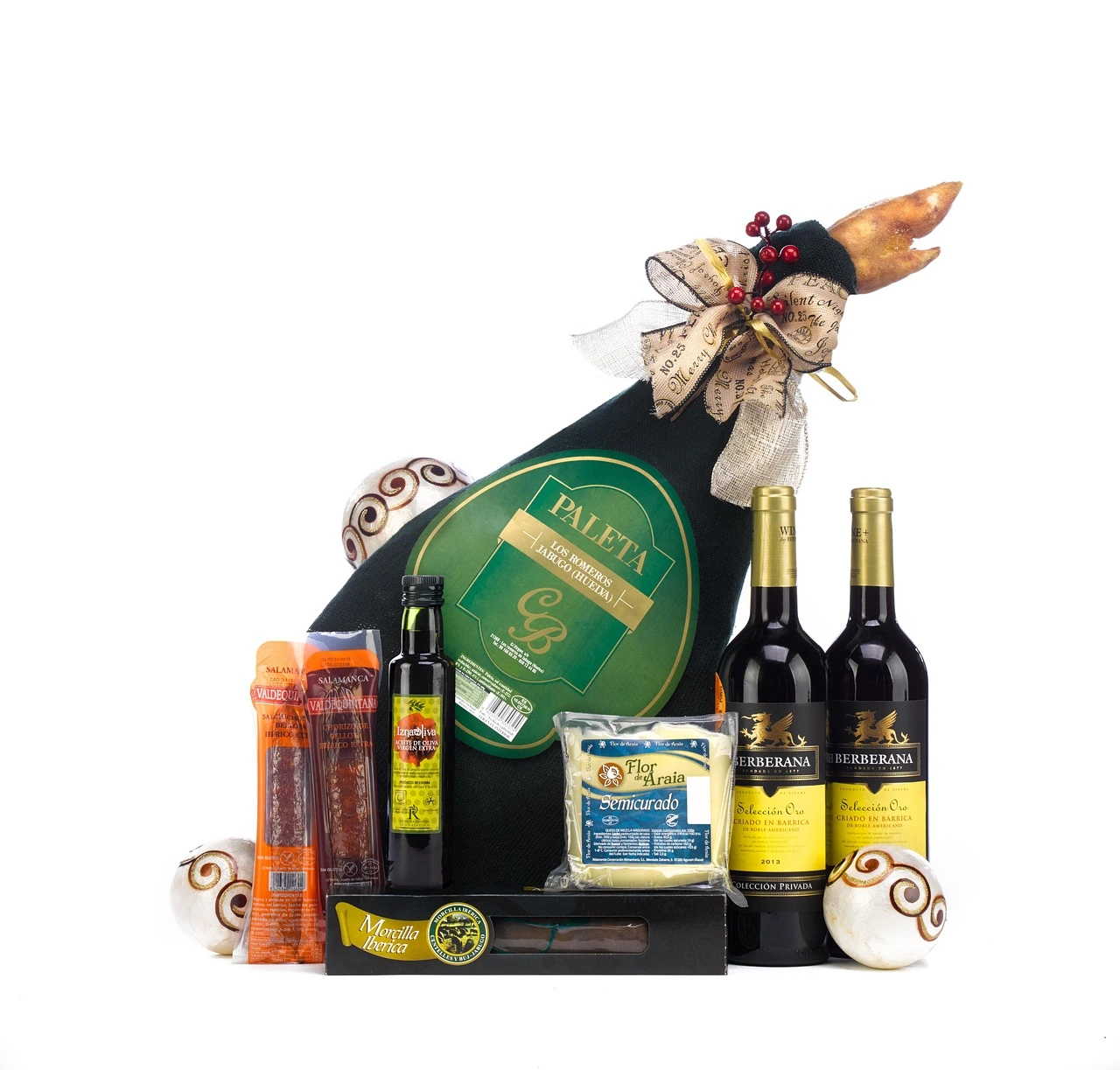
Corporate Christmas hampers are one option for a gift that can be taken home after work. Highland Fayre offers a corporate Christmas collection, giving businesses a starting point for comparing food selections against their budget. The relevant questions are whether the contents suit the recipient, whether the parcel is manageable to carry, and how it will reach someone who misses the handover.
A gift should not create extra work for the person receiving it. A large box may be inconvenient for somebody travelling by bus. Chilled contents need suitable storage until the end of a shift. Where home delivery is being considered, confirm the arrangements with the supplier and the recipient before placing the order.
Keep the standard consistent across locations
Different arrangements can still have similar value. A warehouse team may receive gifts through its supervisor while office staff collect theirs at a lunch. That can be perfectly reasonable if the contents and acknowledgement are comparable. Problems arise when one group receives a carefully chosen present and another is handed whatever remains.
Give local managers a clear brief and a named contact for queries. Explain who is included, what happens when somebody is away, and how alternative selections will be handled. Avoid leaving every location to make its own decisions unless the business is comfortable with the differences that could follow.
Temporary staff and contractors may require a separate decision because their relationship with the organisation differs from that of employees. Make that decision deliberately and communicate it to the people arranging distribution. A last-minute argument beside a pile of presents is an avoidable way to finish the working year.
Ask about preferences without making it awkward
Alcohol, dietary requirements and personal preferences can all affect whether a food gift is useful. A short choice between suitable options is often easier than asking colleagues to explain private circumstances to a manager. Request only the information needed to select the gift and restrict access to those handling the order.
Do not assume that a vegan option answers every dietary question, or that removing a bottle of wine makes an entire hamper suitable for someone avoiding alcohol. Ingredient information matters. If the supplier cannot confirm a particular requirement, choose another selection rather than asking the recipient to take a chance.
The message should also acknowledge the person’s contribution without turning the gift into a substitute for pay, working conditions or a proper conversation. Staff can appreciate a Christmas present while still having legitimate concerns about their job. The two issues should be handled separately.
Check who actually received the gift
Keep a simple distribution record so unopened parcels do not sit in a manager’s cupboard until January. Arrange a follow-up for employees who are away, and make somebody responsible for delivery problems. Ordering the correct number is only the beginning. A gift that never reaches its recipient has achieved very little.
After Christmas, ask local managers where the process failed. Perhaps the collection window was too short, the boxes were difficult to store, or an entire shift needed a different handover time. Record those details while they are still fresh. Next year’s plan can then start with the employees who were hardest to reach this year.