

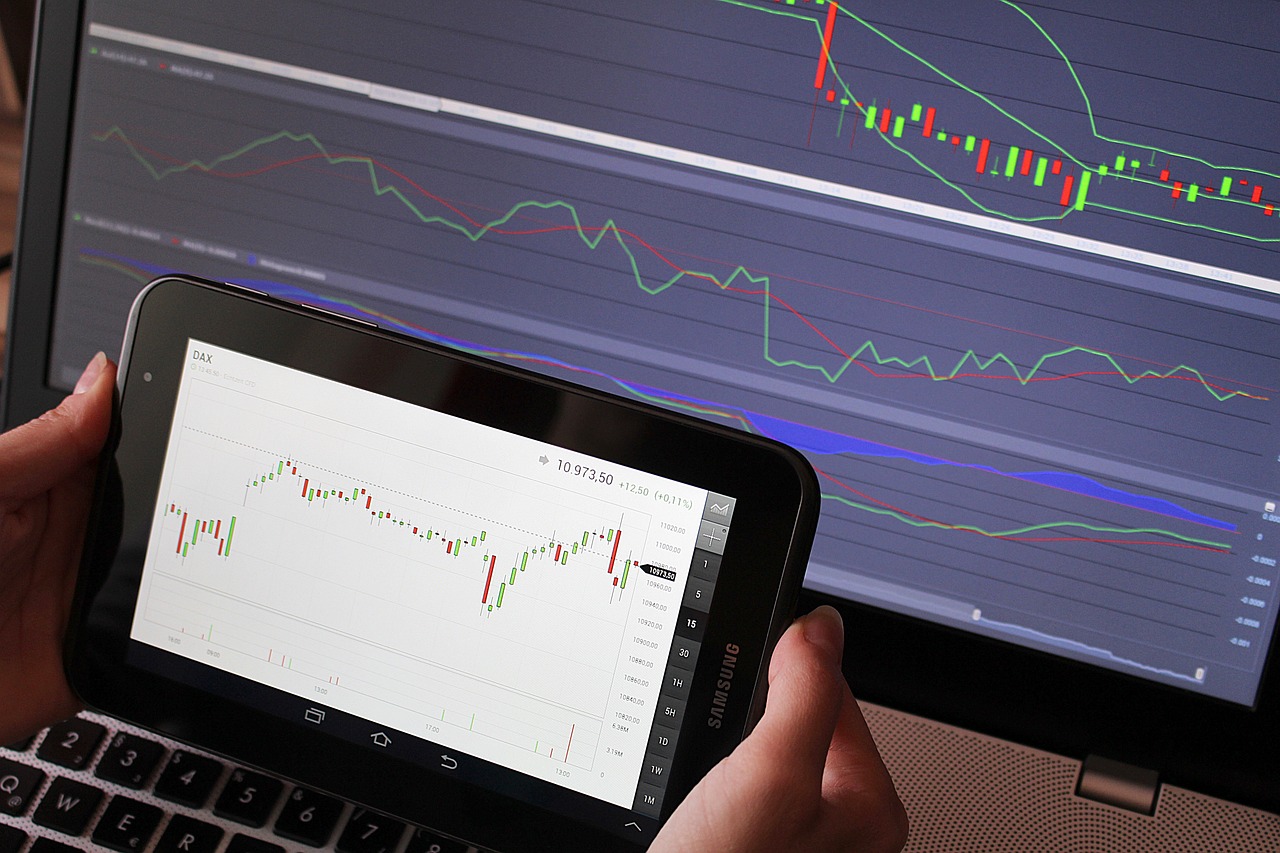
Algorithmic trading has revolutionized the financial markets, enabling traders to execute complex strategies with speed and precision that is unattainable through manual trading. By employing advanced algorithms, these systems can analyze vast amounts of data to identify patterns and trends, making split-second decisions that can capitalize on market opportunities.
As we approach 2025, the landscape of algorithmic trading continues to evolve, driven by advancements in artificial intelligence and machine learning. This evolution raises the stakes for traders who must adapt to increasingly sophisticated strategies and tools.
Understanding Trading Bots
Trading bots like Bookmap are automated software programs that use algorithms to analyze market data and execute trades on behalf of users. They can operate across various asset classes, including stocks, forex, cryptocurrencies, and commodities. The primary advantage of using trading bots is their ability to operate continuously without human intervention, which allows for the exploitation of opportunities around the clock.
Types of Trading Bots
- Best Market-Making Bots: These bots provide liquidity by placing buy and sell orders simultaneously at different prices.
- Trend-Following Bots: These bots aim to capitalize on upward or downward market trends by executing trades in the direction of the trend.
- Arbitrage Bots: These bots exploit price discrepancies between different exchanges or markets to generate profits.
- Mean Reversion Bots: These bots assume that prices will revert to their mean over time and execute trades based on this assumption.
By understanding these types of trading bots, traders can select one that aligns with their investment strategy.
Key Performance Metrics for Trading Bots
Evaluating the performance of algorithmic trading bots requires an understanding of several key metrics:
- Return on Investment (ROI): This metric indicates the profitability of a trading bot relative to its initial investment.
- Win Rate: The percentage of profitable trades relative to all executed trades provides insight into the bot’s reliability.
- Maximum Drawdown: This metric measures the largest peak-to-trough decline in portfolio value, indicating risk levels.
- Sharpe Ratio: This ratio assesses risk-adjusted returns by comparing the excess return on an investment compared to its standard deviation.
- Execution Speed: The time it takes for a bot to execute a trade can significantly impact its performance, especially in volatile markets.
Understanding these metrics allows traders to make informed decisions when selecting or developing an algorithmic trading bot.
The Importance of Backtesting
Backtesting is a critical component in evaluating algorithmic trading strategies. It involves testing a trading strategy on historical data to assess its viability before deploying it in live markets.
Benefits of Backtesting
- Performance Evaluation: Traders can gauge how a strategy would have performed under various market conditions.
- Risk Assessment: By analyzing drawdowns and volatility during backtesting, traders can understand potential risks associated with a strategy.
- Optimization: Backtesting allows for tweaking parameters to improve performance without risking actual capital.
- Confidence Building: Successful backtesting results can instill confidence in traders before they commit real money.
Traders should utilize robust backtesting frameworks that account for slippage, transaction costs, and market impact to ensure realistic outcomes.
Popular Trading Bots for 2025
As we head into 2025, several algorithmic trading bots are gaining prominence due to their advanced features and performance metrics:
- MetaTrader 4/5: These platforms offer extensive libraries for creating custom trading bots using MQL4/MQL5 programming languages.
- Cryptohopper: Known for its user-friendly interface, Cryptohopper enables traders to automate strategies across multiple exchanges simultaneously.
- TradeStation: A powerful platform that provides backtesting capabilities along with advanced analytics tools.
- Bookmap: An innovative platform that offers unique visualizations of market depth and order flow, making it easier for traders to identify potential opportunities.
Bookmap’s integration with various brokers allows users to leverage its features while automating their trading strategies effectively.
Strategy Integration in Algorithmic Trading
Integrating effective trading strategies into algorithmic trading systems is essential for maximizing performance and minimizing risks.
Steps for Effective Strategy Integration
- Define Clear Objectives: Traders must establish what they wish to achieve with their bot—whether it’s maximizing returns, minimizing risk, or both.
- Research and Development: Conduct thorough research on existing strategies and develop unique methods tailored to specific market conditions.
- Use Diverse Strategies: Combining multiple strategies can help diversify risk and capitalize on various market scenarios.
- Continuous Improvement: Regularly analyze performance metrics and backtest strategies against new data to refine and enhance them.
By following these steps, traders can ensure that their algorithmic systems are robust and adaptable.
Case Study: Bookmap in Action
Bookmap serves as an example of how advanced technology can influence algorithmic trading success. With its unique focus on order flow analysis and market depth visualization, Bookmap allows traders to see real-time liquidity dynamics within the market.
Application Scenario
Consider a trader who utilizes Bookmap’s heatmap functionality alongside an automated trading bot designed for scalp trading. The trader observes areas of high liquidity through Bookmap’s visual interface, allowing their bot to make informed decisions about when to enter or exit trades based on real-time data rather than historical patterns alone.
This integration exemplifies how leveraging advanced tools like Bookmap can enhance algorithmic strategies by providing deeper insights into market behavior.
Future Trends in Algorithmic Trading
The future of algorithmic trading holds exciting possibilities shaped by emerging technologies:
- Artificial Intelligence (AI): AI-driven algorithms will continue refining their predictive capabilities through machine learning techniques, enabling more accurate forecasts.
- Decentralized Finance (DeFi): As DeFi matures, algorithmic trading will adapt to decentralized platforms where traditional financial models may not apply.
- Increased Regulation: Regulatory scrutiny on algorithmic trading practices will likely increase; therefore, compliance will become a significant focus area for developers and traders alike.
- Cloud-Based Solutions: The shift toward cloud-based platforms will allow greater accessibility and scalability for traders looking to implement complex strategies without heavy infrastructure investments.
These trends indicate that traders must stay informed about technological advancements while adapting their strategies accordingly.
Best Practices for Selecting a Trading Bot
When choosing an algorithmic trading bot, several best practices should be considered:
- Reputation and Reviews: Investigate user feedback and expert reviews before committing.
- Customization Options: Ensure that the bot allows customization based on individual strategy preferences.
- Backtesting Capability: Look for platforms that offer robust backtesting features as part of their service.
- Security Features: Since financial data is sensitive information, prioritize security measures offered by the platform.
- Customer Support: Reliable customer support is crucial for troubleshooting issues during live operations.
By following these best practices, traders can select a trading bot that meets their needs while maximizing their potential for success in the dynamic world of algorithmic trading.
The intersection of technology and finance continues to expand possibilities within algorithmic trading as we approach 2025. By leveraging tools like Bookmap alongside robust algorithms tailored through thoughtful strategy integration, traders can navigate this evolving landscape with confidence and precision toward achieving their financial goals.