

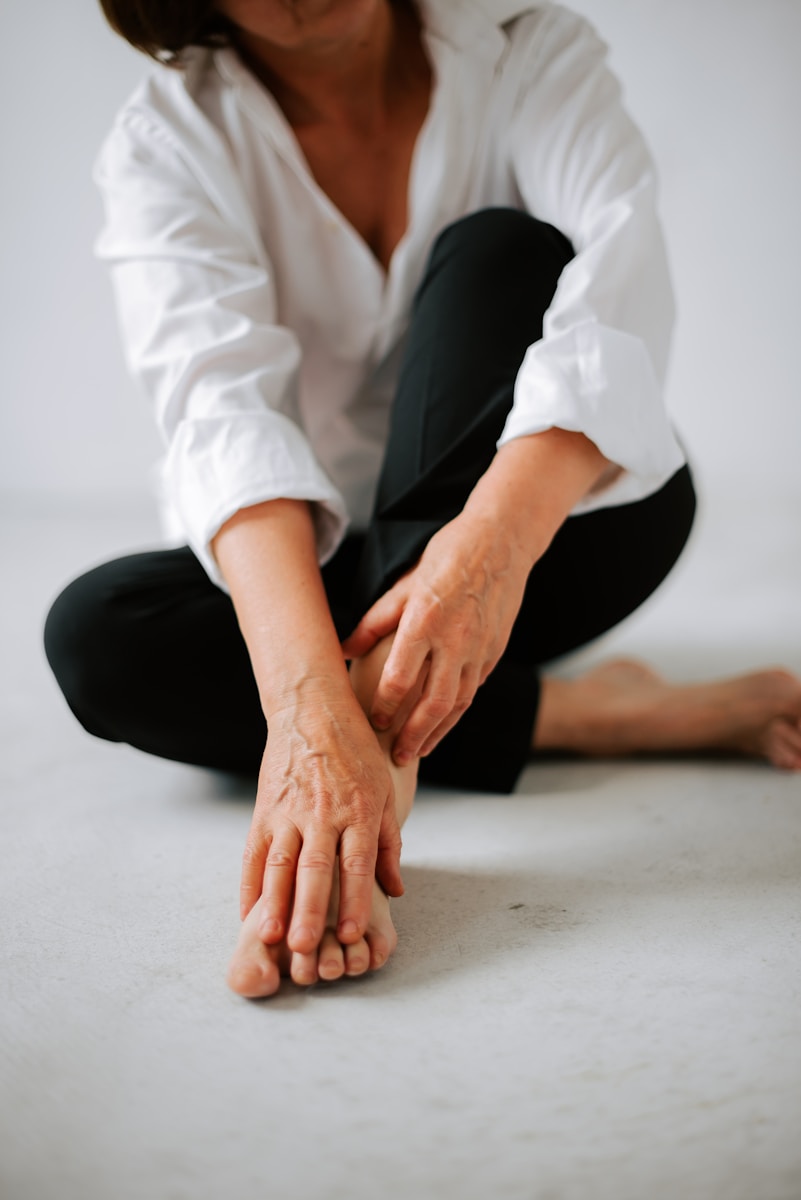
Gloria Gibson, former president of Northeastern Illinois University, Chicago, enjoys an eclectic assortment of hobbies and pastimes including travel, gardening, walking, strength training, and yoga. This article will look at fitness for seniors, providing tips for taking up a new exercise regime and exploring the health benefits of regular movement.
Keeping active has a variety of well-reported health benefits. Exercising mind and body helps older adults to remain mobile, boosting their energy levels and reducing their risk of falling. Ultimately, keeping active and exercising regularly better positions seniors to maintain their independence.
Walking offers a number of health benefits for everyone, and particularly for seniors. Regular walking can help improve overall cardiovascular health. And for seniors, it can contribute to better coordination, balance, and mobility. The Silver Sneakers’ “Walk this Way” program, for example, demonstrates how engaging, beneficial, and fun starting and maintaining a routine can be. Their routines “deliver a program that is gentle on the body, while still providing an effective workout to improve cardiovascular endurance and coordination.”
A comprehensive routine should include physical as well as mental “exercise.” In his article, “Yoga for the brain: It may sharpen your mind, protect against cognitive decline,” Richard Sima explains that the “holistic mind-body practice of yoga provides physical and mental health benefits through four main components: breathing, physical relaxation, mindfulness meditation and postures” (Washington Post online, August 15, 2024) Additionally, there is “chair yoga” for those with mobility concerns. Regardless of age, keeping the mind and body active can contribute to seniors’ overall health.
Irrespective of a person’s age, for those embarking on a new fitness regime, it is important to consult a physician and to start slowly. For example, it would be sensible for swimmers to try a couple of lengths and see how they feel the next day rather than overdoing it. Joggers may wish to start by alternating between walking and running between lampposts. Rather than attempting a high-impact sport, such as running, low impact exercise is more appropriate for people with osteoarthritis, as low-impact activities are gentler on the joints. It should be remembered, however, that the effect varies from person to person, and pain might not stem from damage – particularly if it does not last a long time – but rather from the body getting used to an activity it has not practiced much.
For those who find exercise boring, music can be a great motivator. Creating a playlist of favorite songs or listening to podcasts can provide a distraction from boredom or mild discomfort experienced during exercise. Music can be an excellent motivator, helping the individual to set their pace and putting them in a better frame of mind. Gibson enjoys music with a heavy beat for strength training and softer, melodic sounds while practicing yoga.
Certain exercises are particularly helpful for seniors. Since people tend to lose strength in their legs first, and this can make them prone to falling. Any activity that involves standing and bearing weight on the legs helps to strengthen these muscles. Weight-bearing exercise, for example walking, also helps to preserve bone health and prevent osteoporosis.
Studies suggest that people are generally happier exercising with others than alone. Taking up an exercise class with a partner or friend can make it more enjoyable, encouraging participants to stick with it and do more. Many local leisure centers offer concessionary rates on group exercise classes for seniors. Working out together provides moral support, reassuring an individual who is unsure about a new exercise class and encouraging them to attend when they lack motivation. In addition, classes present an opportunity to meet new people and make new friends.