

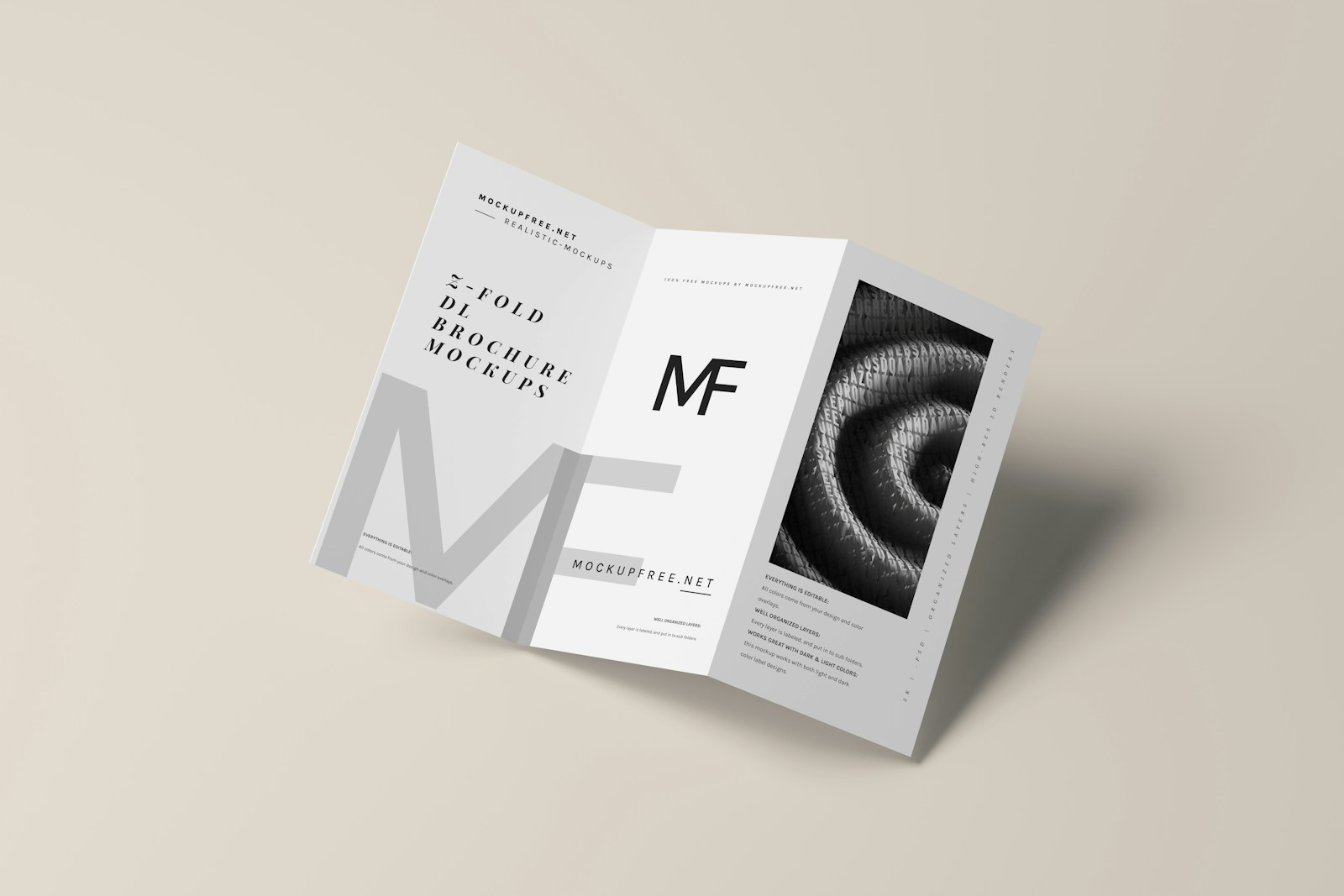
There’s a quiet confidence in holding a flyer. The weight, the ink, the impression of care. Even in 2025, when marketing dashboards are packed with metrics and performance curves, a piece of printed paper handed to the right person at the right time still feels… personal.
I watched a bakery owner last week hand out glossy, pastel-toned flyers during a weekend farmers’ market. Every fifth passerby paused. Not because it was disruptive, but because it felt thoughtful—grounded. The QR code on the bottom corner led to her seasonal menu, but the message was clearly local: “We’re here. We bake every day. Come by.”
Digital fatigue is real. Between autoplay video ads, endless scrolling, and inbox clutter, consumers are often overwhelmed. Flyers—when done right—offer a kind of relief. They don’t buzz, ping, or disappear with the next swipe. They land in hands, on kitchen counters, and office desks. They wait, patiently, to be read.
Flyers serve as immediate, physical proof of a business’s presence. They’re particularly beneficial for cafés, hair salons, local gyms, independent boutiques—anywhere foot traffic matters. For these businesses, attention doesn’t scale through impressions but through proximity. A well-placed flyer on a community noticeboard might spark more sales than a Facebook ad targeting five thousand strangers.
Design matters. It always has, but even more so now that people instinctively judge printed materials through a design-literate lens. Clean lines, brand-consistent colors, and a short, confident message can make a flyer strikingly memorable. And it doesn’t hurt to use textured paper stock or matte finishes to leave a tactile impression. Quality, once felt, is hard to forget.
Flyers are also incredibly versatile. They promote flash sales, announce grand openings, share seasonal greetings, or even serve as mini menus. Their flexibility makes them highly efficient for testing different messages within small pockets of geography. Distribution can be hyperlocal, targeted by postcode, pinboard, or pedestrian density.
I’ve seen small businesses integrate flyers into digital strategy seamlessly. QR codes are now expected. Some brands even personalize flyers per neighborhood, adjusting offers or languages based on local demographics. It’s a small investment, but it shows intention.
At a community event last spring, I spoke to a hardware shop owner who said flyers were “his offline CRM.” Every seasonal mailer, every 10% coupon tucked into local papers, helped remind long-time customers that they weren’t just a brand—they were neighbors. His response rates weren’t through the roof, but they were steady. Reliable. Local.
During peak digital ad inflation, print has become surprisingly affordable again. Many marketers are realizing that print’s return on investment can be notably improved when targeting narrow audiences with clear calls-to-action. Flyers don’t chase clicks—they spark decisions.
As businesses look to 2025 and beyond, eco-conscious printing has become part of the conversation. Recycled paper, soy-based inks, and minimal designs help align flyer campaigns with sustainability goals. This consideration—once overlooked—is now a trust signal. It tells customers you’re thinking longer-term.
Companies like HelloPrint offer a wide range of both plastic and metal options, allowing businesses to choose according to their branding needs. By choosing HelloPrint for your flyer printing needs, you can ensure that your designs stand out while maintaining high quality.
In many ways, flyers are the introverts of the marketing toolkit. They don’t interrupt or shout. They wait to be noticed. And when crafted thoughtfully, they can be remarkably effective at starting conversations where digital channels fail to penetrate.
There’s still space for quiet marketing. For the flyer pinned on the local school’s wall. For the folded one slid into a neighbor’s mailbox. For the one stuck to a café’s corkboard with a silver pushpin, reminding people of something happening just around the corner. And sometimes, that’s all a business really needs.