


It starts with knowing how wild schedules twist under pressure. Outdoor events, festivals, pop-ups, and trade booths rarely go untouched by surprise winds. One sharp blast turns basic tents into hazards fast: people at risk, gear scattered, guests pushed away. Stability isn’t optional here; it shapes how seriously others take your name. Reinforced structures aren’t extras; they’re what keep appearances intact when skies turn rough. Strength built in means less chaos outside, even when the air goes sideways. When selecting a custom tent, presence holds because design does more than cover; it resists.
Building Tough and Reliable Systems Designed to Perform in Harsh and Demanding Environments
- Wind hits a tent fast, so shape matters right away
Sloping or rounded tops help it slip past instead of pushing hard. Flat roofs? They catch gusts like fabric wings, lifting everything with one blow of wind if things go wrong or wild. That kind of design of your custom 10×10 canopy tent can help spread stress better when gales hit without warning. Curves can help handle force more smartly under sudden storm loads.
- Heavy materials matter when it comes to exhibit frames
Not because they’re trendy, but because they hold up. Instead of light options that chip easily, solid anodized aluminum stands strong. Hex-shaped steel works just as well under pressure. Inside every display, strength begins with structure. These choices resist twisting, especially in crowded spaces. Joints get extra support, so everything stays locked. Over time, gear faces heat, bumps, and cold yet keep their shape. Dents mean less trust; stiffness means staying sharp. Longevity isn’t luck; it’s built in.
- What sets your canopies apart isn’t just how they look—it’s how tightly woven
Not just any fabric makes the cut; you should go straight for 600D polyester, trusted by pros for its toughness under stress. Strong threads matter, yet it’s the double-stitched seams that really lock everything together, stopping droop before it starts. Think of it like when durability meets design, rain slides right off, and colors stay sharp, even after seasons outdoors. First glances stick around, especially when shelter holds up like this.
- When wind pushes against a tent, things can go wrong fast.
Your take? A sealed unit might seem strong, but it can trap forces inside. Roofs built with hidden outlets give breathing room literally. These openings let excess air slide out before pressure builds up. Instead of fighting flapping fabric, you can stay grounded while others pull down poles and pack up early. That small gap in the top changes everything when gusts hit hard.
- Stability begins where the frame meets the earth.
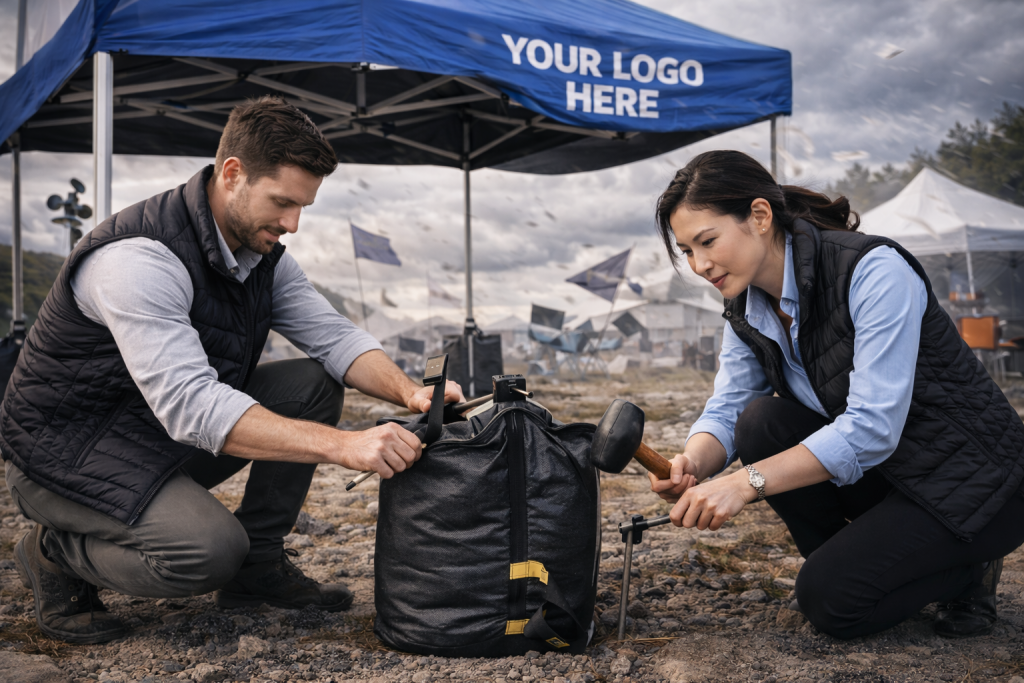
Heavy doesn’t mean immovable when the wind pushes hard. Instead of relying on weight alone, you can secure each corner using stakes or dense ballast like sand-filled containers. Spreading force across a broader ground contact can help you prevent tipping. More mass at support points shifts how forces travel through the build. This isn’t about following checklists; it’s about reducing risk before storms arrive. Protection for people comes from decisions made on calm days. When setup is done right, disruptions stay low even when the weather turns rough.
- Footprints need balance
Smaller shapes resist wind better than wide ones do. Compact forms hold firm when air pushes hard against them. Instead of one huge tent, many small units link together securely. Gusts meet less resistance this way. Layout adjusts without losing strength. Units fit terrain naturally. Safety stays high even when the weather shifts suddenly. Structure behaves predictably under pressure. Design follows function quietly. Professional custom tents demonstrate this principle through thoughtful engineering and proven performance.
Final Thoughts
Not many think about how wind shapes a tent’s role at an outdoor gathering. Yet strength under pressure often tells you who truly knows their work. Because shape cuts through air, sharp engineering matters far beyond looks. When metal frames lock deep into ground anchors, performance shifts, and what was temporary begins to feel permanent. Even heavy rain means less when every seam fights back. Confidence grows not from ignoring nature but from matching its rhythm step by step. A steady roof lets people focus on what’s being said, not where to hide. Reliability speaks louder than slogans ever do. What holds firm in storms also signals care in quieter moments.