

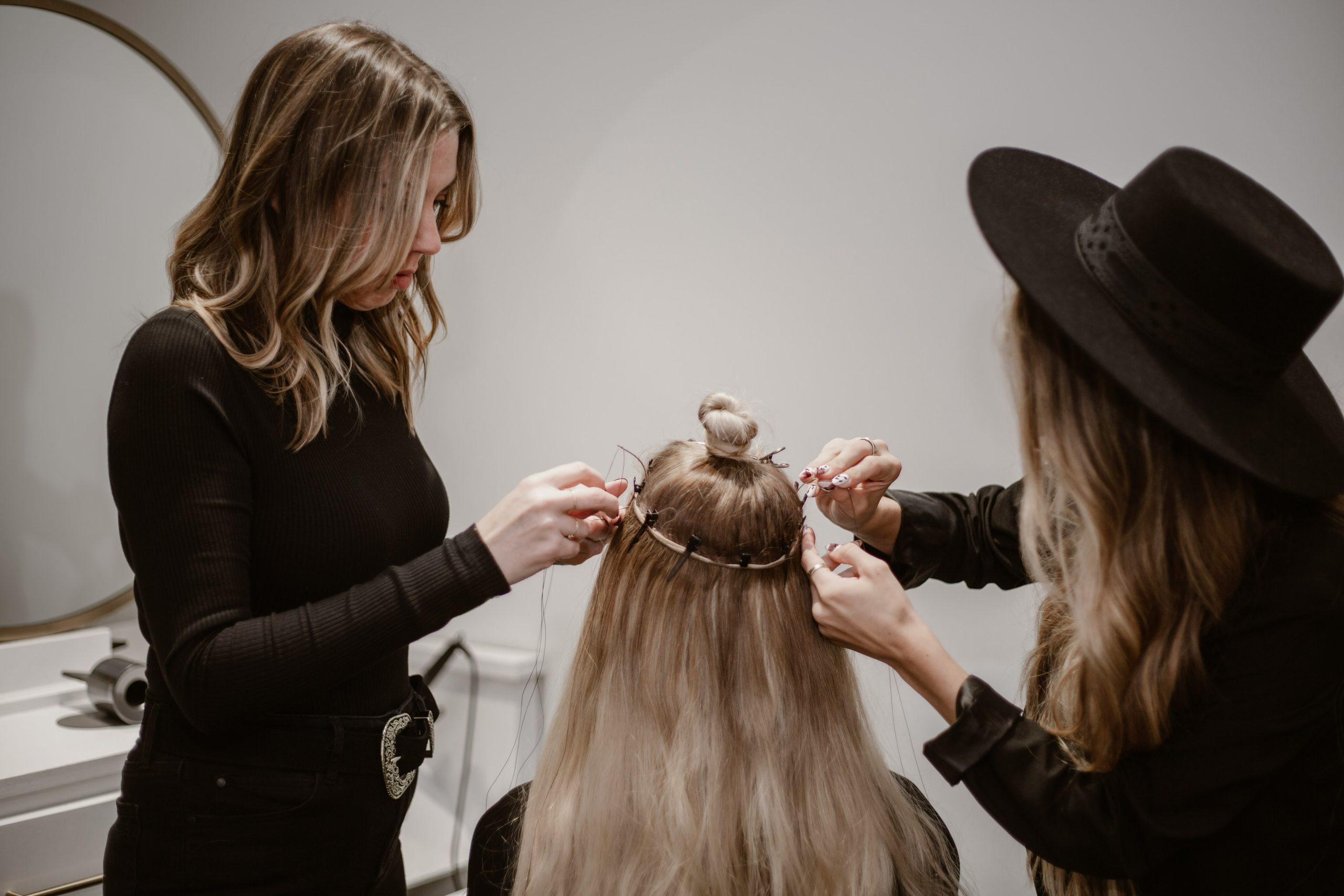
Hair extensions have quietly become one of the most transformative tools in modern styling — and it’s easy to see why. Want length without waiting years? Done. More volume by tonight? Easy. The right hair extensions can change your entire look in an afternoon, no commitment required.
They come in two core forms: human hair and synthetic fibre. Human hair wins on versatility and realism; synthetic tends to be cheaper but harder to style with heat. For most people looking for a natural finish, real human hair is worth the extra spend.
And here’s the thing, hair extensions aren’t just for length anymore. People use them for colour experimentation, adding highlights without bleach, building out thicker ponytails, and even creating braided styles that would otherwise take hours. The range of what’s possible has genuinely expanded.
The Main Types — And What Each One Actually Does
There are more options than most people realise. Each method suits a different lifestyle.
Clip-ins are the starter option. You attach them yourself, remove them before bed, and repeat. No salon visit, no commitment, just instant volume or length when you want it. Perfect for special occasions or testing out a new look before going permanent.
Tape-ins sit a step above that. They use adhesive strips applied close to the scalp and last roughly six to eight weeks before needing a refresh. The result looks genuinely natural; the flat attachment means minimal bulk.
Sew-in weaves go longer. Your natural hair gets braided down first, then extension wefts are stitched directly onto those braids. It’s time-intensive to install but it holds. Great for thick or coarser hair types that need a more secure method.
Fusion or bonded extensions use keratin bonds or heat to attach individual strands one by one. Labour-intensive, yes. But the finish is exceptional as each strand moves independently, which makes the blend look effortless. These typically last three to five months with proper care.
Micro-link or nano-ring extensions skip the glue and heat entirely. Tiny metal beads clamp each strand in place. The movement feels natural, and they’re easier to adjust over time. Good option if you’re heat-sensitive or want flexibility without sacrificing longevity.
Not all hair extensions suit every hair type equally. Fine hair, for example, can struggle under the weight of sew-ins, clip-ins or tape-ins tend to work better there. Coarser textures generally handle weaves and bonded methods well.
The Styles You Can Actually Pull Off
Long flowing layers. Thick, bouncy curls. A blowout that finally has the volume you’ve been chasing. Hair extensions make all of that achievable but they also work for subtler goals.
Fuller up dos for events. Braids with more body. Ponytails that don’t look limp. Colour changes without chemical damage, add a few highlighted wefts and suddenly your base colour has dimension you didn’t have last week.
The key is matching the extension texture to your natural hair. Straight extensions on wavy hair will look off. But matched properly? You genuinely can’t tell.
How to Actually Choose
A few honest questions before deciding:
How much time do you have for maintenance? Permanent methods look better longer — but they need regular salon appointments. Clip-ins take five minutes and zero upkeep between uses.
What’s your budget? Quality matters enormously here. Cheap synthetic extensions tangle fast, shed, and rarely blend convincingly. Human hair extensions cost more upfront but last significantly longer and behave like your own hair when styled.
What’s your daily routine? If you’re washing your hair every other day and using heat tools constantly, you need extensions built for that kind of use. Tape-ins and fusion methods handle daily styling well; clip-ins need removing before any serious heat work.
Still unsure? A consultation with a stylist who specialises in extensions is worth every penny before committing to a semi-permanent method. Getting the wrong type installed or the wrong colour match is an expensive mistake.
One Last Thing
Done right, hair extensions don’t look like extensions at all. That’s the whole point. Whether you’re going for a subtle thickness boost or a full length transformation, the technology and options available now are genuinely impressive.
The question isn’t really whether extensions can work for you. It’s which type fits your life.