

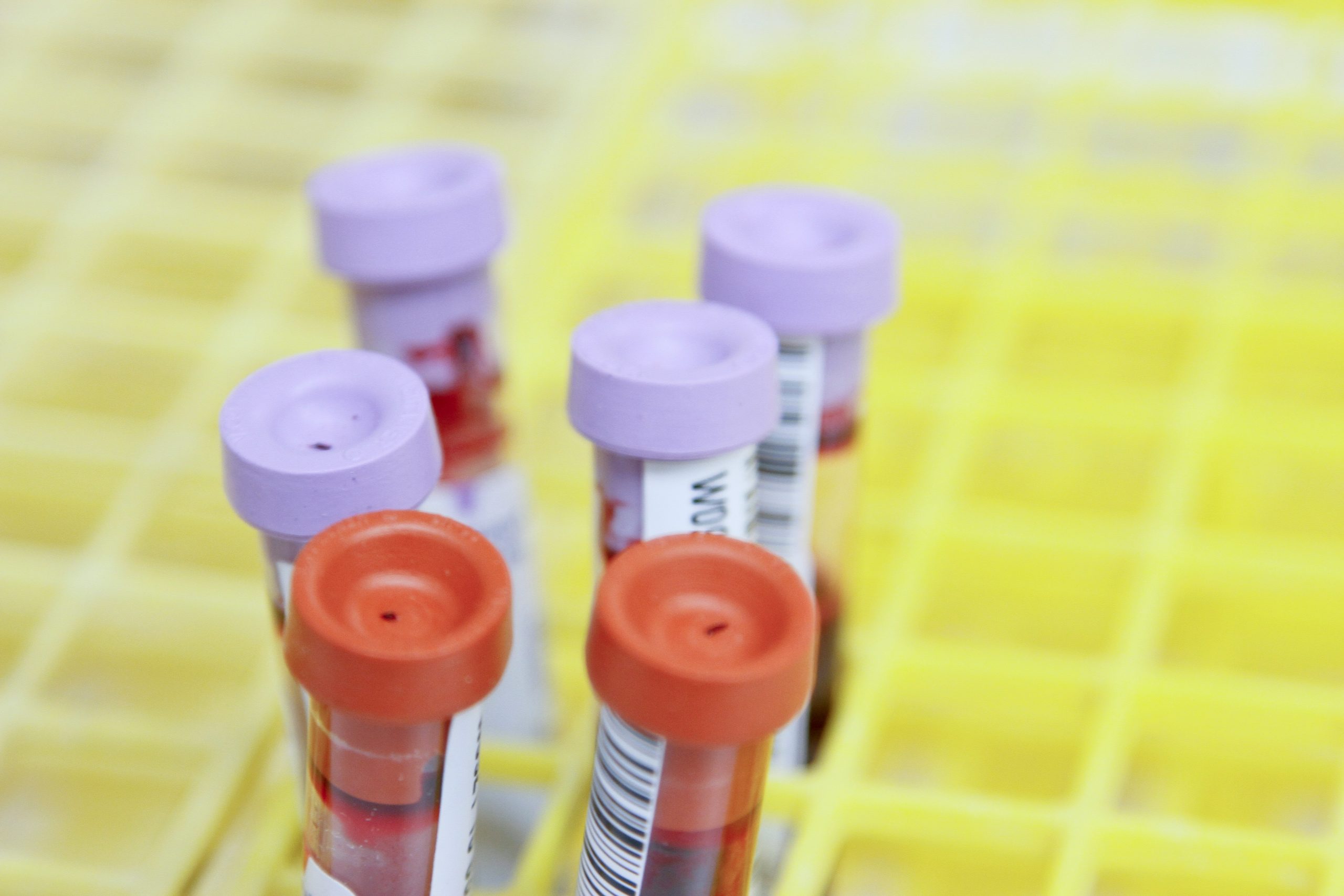
Seven point six million people. That’s how many remain trapped in NHS waiting queues across England, and on Wednesday, a Harrogate-based preventative healthcare provider launched a nationwide response that brings hospital-standard blood testing directly into living rooms.
Cocoon rolled out its at-home phlebotomy service across the UK, dispatching qualified clinicians to doorsteps for full venous blood draws—the same samples hospitals rely on, minus the two-hour round trip to a clinic. The timing reflects mounting pressure on diagnostic services and a shift in how Britons approach health management, with 82% now citing health as a top national concern, according to Office for National Statistics data published in April 2025.
But this isn’t about illness. Not yet, anyway.
For many, the barrier isn’t reluctance—it’s logistics. Childcare doesn’t pause for a 9am phlebotomy slot. Work deadlines clash with clinic hours. Months slip by whilst exhaustion lingers, hormones feel off, sleep deteriorates. The intention exists; the appointment never gets booked. Cocoon’s model targets precisely that friction point, offering women’s health panels, men’s hormone screening and cardiovascular profiling without requiring anyone to leave home.
The technical distinction matters here. Whilst finger-prick postal kits have flooded the consumer health market over the past three years, Cocoon’s service relies exclusively on venous draws—the gold standard for complex diagnostics involving thyroid function, hormone panels and cardiovascular markers. Small capillary samples from fingertips can suffice for basic checks, yet many clinicians remain cautious about their reliability for nuanced health concerns like menopause profiling or testosterone screening.
“Most at-home testing services rely on finger-prick kits, which many people simply do not trust when they want proper answers,” explained Sam Naughton, Cocoon’s founder. “We wanted to create something better, a service that feels scientific, calm and genuinely supportive, while delivering proper clinical-grade venous blood testing without someone needing to leave home.”
Results arrive digitally within 48 to 72 hours, accompanied by clinical review and next-step guidance. That’s where Cocoon diverges from the app-based traffic light systems that dominate much of the direct-to-consumer testing landscape—clients aren’t handed numbers and left to Google their way through anxiety. Instead, they access the same GP reviewers and onward care pathways available at Cocoon’s two North Yorkshire clinics, which also provide ultrasound diagnostics, midwifery services and specialist referrals.
Cancer screening remains clinic-only, confined to Harrogate where more complex diagnostics benefit from full clinical infrastructure. Yet for hormone health, fatigue investigation and preventative cardiovascular screening, the home service offers parity with in-clinic care.
The private diagnostics market has expanded rapidly as NHS capacity struggles to meet demand. Waiting times for routine blood tests through GP surgeries can stretch weeks in some regions, pushing those who can afford alternatives toward private providers. Cocoon’s pricing wasn’t disclosed, though the company positions itself within the preventative health segment—a market targeting early intervention rather than acute care.
Dr Adam Culverwell, Cocoon’s medical director, emphasised the clinical depth underpinning the convenience. “What makes this model particularly powerful is that it combines convenience with genuine clinical depth. People are not left to navigate results alone or work out next steps from an app or a traffic light system. Rather, they receive clinically robust testing, expert interpretation and access to a full onward care pathway if further investigation is needed. Preventative healthcare works best when people feel informed early, rather than frightened later, and that is exactly what this model is designed to support.”
Naughton pointed to the everyday realities that delay health action. “People are more health-aware than ever, but real life often gets in the way of acting on it early. We regularly hear from people who have felt exhausted for months, their hormones feel off, they are not sleeping properly, they are worried about menopause, fertility or simply not feeling like themselves, but life gets busy and they keep putting it off.”
The service targets busy professionals juggling demanding schedules, women navigating fertility or menopause around work and family commitments, and men postponing testosterone or PSA screening. For some, it’s simply about comfort—prioritising health in private rather than in a clinic waiting room.
“Cocoon At Home has been built for people who want to take a more proactive approach to their health but often struggle to make traditional appointments work around everyday life,” Naughton added. “That includes busy professionals balancing demanding schedules, women trying to navigate hormones, fertility or menopause around work and family life, men seeking testosterone or PSA screening they may otherwise keep putting off, and people who simply feel more comfortable prioritising their health in the privacy of their own home.”
Cocoon is also developing an AI-driven platform designed to convert blood results into predictive health insights, moving beyond snapshot data toward forecasting future risks and opportunities. How that technology integrates with existing clinical review processes remains unclear, though the company frames it as complementary to human oversight rather than a replacement.
The challenge for any at-home service operating at national scale lies in maintaining clinical consistency across hundreds of phlebotomists and ensuring the logistics of sample transport don’t compromise quality. Cocoon hasn’t disclosed how many clinicians it employs or how quickly it can scale appointment availability across regions.
What’s certain is the demand exists. More than 7.6 million people waiting for NHS care represents more than just a queue—it’s a market signal. For those with resources and urgency, removing the friction between intention and action might be worth paying for.
“For many people, this is not about illness, it is about reassurance and understanding what is happening inside your body before something becomes a bigger problem,” Naughton noted. “That peace of mind matters enormously.”
Appointments are bookable now. Whether phlebotomists arriving at doorsteps become normalised or remain a premium service for the health-anxious will depend partly on pricing, partly on outcomes, and largely on whether the NHS diagnostic backlog improves.
For now, 7.6 million people are still waiting.