

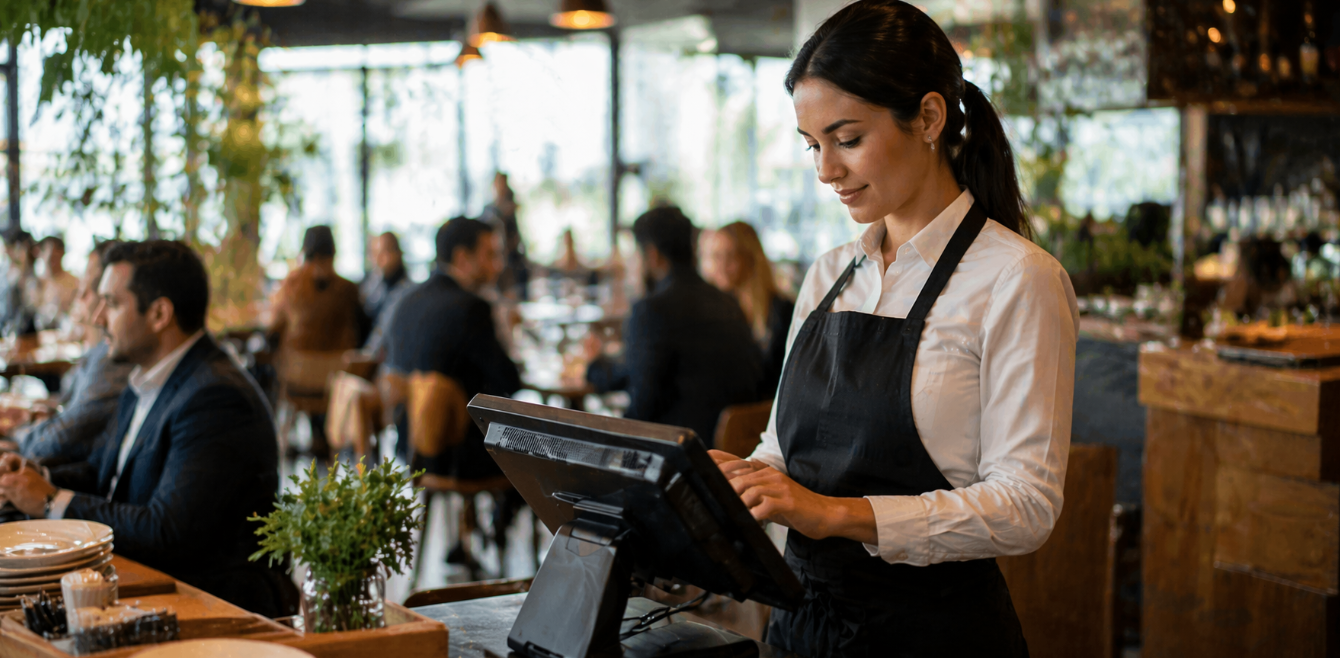
For many operators, the conversation around restaurant technology has moved far beyond faster payments and digital receipts. Tools such as Tableview.com restaurant POS software reflect a broader shift in hospitality: restaurant owners now expect their systems to support service flow, staff confidence, guest experience, and long-term decision-making, not simply process transactions.
The POS Is No Longer Just a Till
A decade ago, a point-of-sale system was often treated as a back-office necessity. It recorded orders, printed kitchen tickets, and helped reconcile takings at the end of the night. Today, that view feels outdated. Modern POS systems for restaurants sit at the center of operations, connecting the dining room, kitchen, management team, and guest journey.
Restaurant owners are under pressure from every direction. Labor costs are higher. Guest expectations are sharper. Delivery, reservations, walk-ins, loyalty, and payments all need to work together without creating friction. In that environment, software is not just an IT decision. It is an operational leadership decision.
A well-chosen POS can help restaurants:
- Reduce avoidable service delays
- Improve table turnover without rushing guests
- Support clearer communication between front and back of house
- Give managers better visibility during live service
- Make reporting more useful and less time-consuming
Why Restaurant Owners Are Rethinking Their Software Stack
Many restaurants gradually develop technology problems. A venue starts with one payment terminal, then adds a booking tool, followed by delivery platforms, loyalty apps, staff scheduling, and stock control. Before long, managers are juggling disconnected systems that do not communicate properly.
That fragmentation often creates hidden costs. Staff repeat work manually. Managers waste time checking multiple dashboards. Guests experience small but noticeable inconsistencies. The business may still function, but it becomes harder to scale, train, and maintain standards.
The Real Value Is Operational Clarity
The best restaurant technology does not overwhelm teams with data. It gives them clarity. A general manager should be able to see which tables are waiting, where bottlenecks are forming, which menu items are performing, and whether service is flowing as expected.
Good software should answer practical questions, such as:
- Are guests waiting too long between courses?
- Which areas of the restaurant are underused?
- Are staff members spending too much time correcting orders?
- Do peak trading hours require a different staffing pattern?
- Which dishes drive revenue but slow down kitchen output?
These are not purely technical questions. They are hospitality questions. The right POS setup helps leaders respond faster and with more confidence.
The Rise of Table-Led Thinking
Restaurants are physical businesses built around movement, timing, and atmosphere. That is why table management has become such an important part of modern operations. A reservation book alone cannot show the full picture of what is happening on the floor.
This is where table management software restaurant solutions become valuable. When table status, order progress, guest preferences, and payment information are connected, the dining room becomes easier to manage in real time.
A host can make better seating decisions. Servers can understand the pace of each table. Managers can spot pressure points before they turn into complaints. The guest may never see the software, but they feel the difference in smoother service.
Better Table Management Is Not About Rushing Guests
Some operators worry that software will push teams to prioritize turnover over hospitality. In reality, strong table management should do the opposite. It should help staff protect the guest experience while using the room intelligently.
For example, a restaurant does not need to rush a couple enjoying a special occasion. But it does need to understand how the longer seating affects later bookings, staffing, and kitchen pacing. Good systems give managers options rather than pressure.
What Luxury Restaurants Need from POS Technology
High-end venues face a different challenge. Their guests expect discretion, personalization, and consistency. A POS system for luxury restaurants must support precision without making the service feel mechanical.
In luxury hospitality, technology should stay almost invisible. Staff need access to useful information, but they should not appear distracted by screens. Payment should feel effortless. Special requests should be remembered. Course timing should be controlled carefully. Mistakes should be rare and resolved quietly.
For premium restaurants, the most important software qualities are often:
- Reliability during peak service
- Elegant handling of complex menus and modifiers
- Strong guest profile and preference support
- Flexible table layouts and service pacing
- Detailed reporting without clutter
- Secure and discreet payment handling
Luxury restaurants are not buying software simply to move faster. They are buying consistency, control, and confidence.
The Human Side of Restaurant Software
The hospitality industry sometimes talks about technology as though it replaces people. In practice, the best systems support people. They reduce confusion, remove repetitive tasks, and allow staff to focus more fully on guests.
A server who does not need to run back and forth correcting unclear tickets has more time to read the table. A manager who can see live sales and service flow can spend less time buried in spreadsheets. A kitchen team receiving accurate, well-timed orders can work with less stress.
Staff Adoption Matters More Than Features
Restaurant owners often compare systems by feature lists. That is understandable, but it can be misleading. The system with the most functions is not always the best fit. What matters is whether the team can use it confidently during a busy Saturday night.
Before choosing or changing POS software, operators should consider:
- How quickly can new staff learn it
- Whether it matches the restaurant’s service style
- How well it supports managers during live service
- Whether reporting is clear enough to drive action
- How easily it fits with existing workflows
Technology that looks impressive in a demo can fail if it slows the team down. The best systems feel intuitive under pressure.
Data Should Support Judgment, Not Replace It
Restaurant data is powerful, but it needs interpretation. A report might show that a dish sells well, but only the operator can decide whether it fits the brand, kitchen capacity, and guest expectations. Software can highlight trends; leadership turns those trends into decisions.
This is especially important for independent restaurants and growing groups. Data can reveal where margins are being lost, where staff training is needed, or where menu engineering could improve profitability. But the goal is not to run the restaurant by numbers alone. The goal is to combine data with hospitality instinct.
A Better Way to Think About POS Investment
Restaurant technology should not be judged only by monthly cost. The better question is what the system helps protect or improve. Does it reduce errors? Does it save management time? Does it improve the guest journey? Does it make service more consistent? Does it help the business grow without losing control?
For restaurant owners, the most useful POS decisions usually come from a clear understanding of operational priorities. A casual dining venue, a fine-dining restaurant, a hotel restaurant, and a multi-site group may all need different things from their software.
The Future Belongs to Connected Hospitality
The next phase of restaurant software will not be about isolated tools. It will be about connected hospitality, where bookings, tables, orders, payments, reporting, and guest insight work together naturally.
Restaurant owners who take software seriously are not abandoning the human touch. They are protecting it. In a market where guests notice every delay, every error, and every awkward handover, better systems can give teams the calm and clarity they need to deliver memorable service.
The future restaurant will not be defined by technology alone. It will be defined by operators who use technology thoughtfully, with the same care they apply to menus, interiors, staffing, and guest relationships. That is where modern POS thinking becomes less about software and more about leadership.