

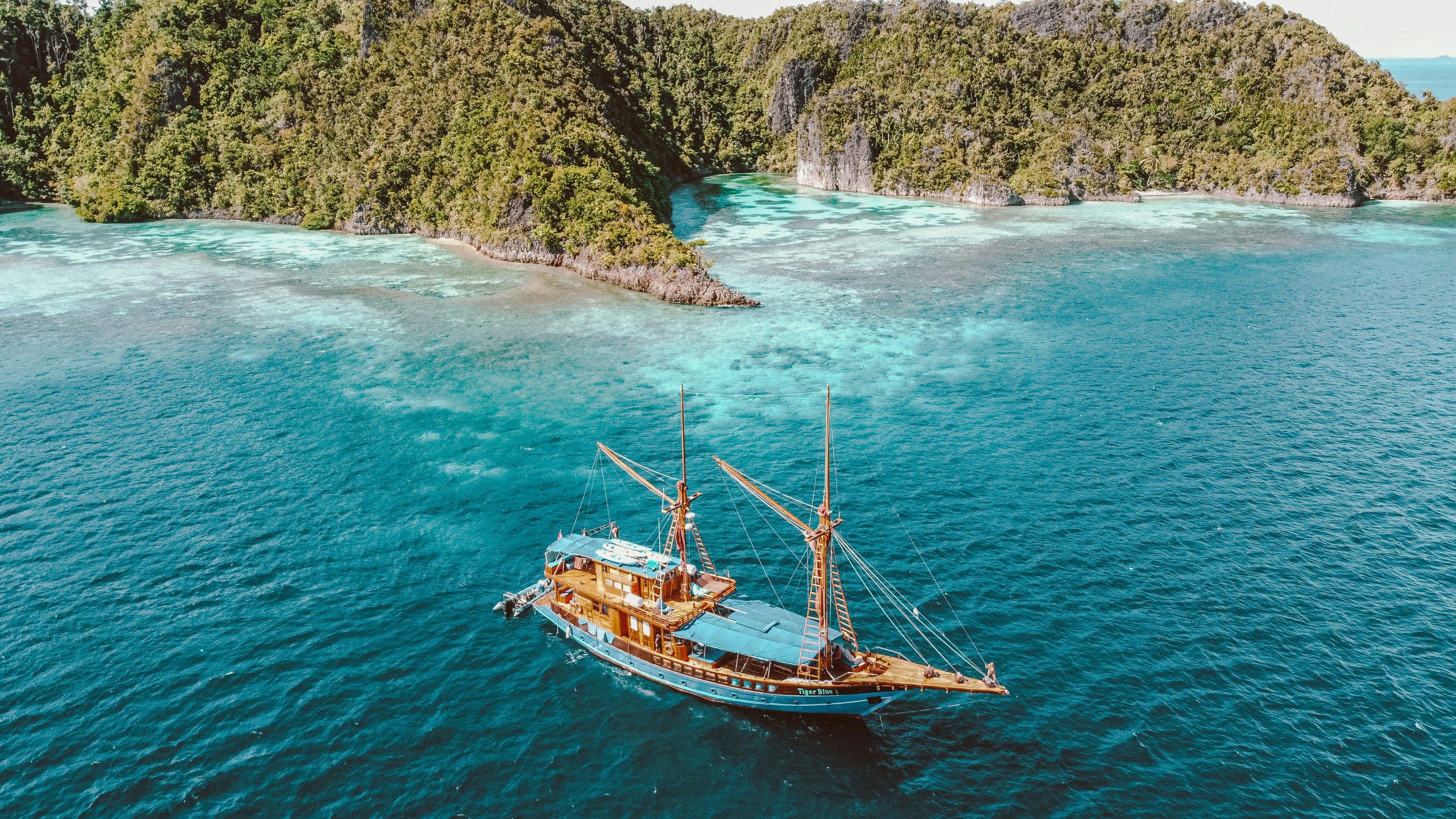
A Raja Ampat liveaboard guide for first-timers should begin with one honest point: this is not simply a diving holiday, but a journey into one of the most biologically rich and visually dramatic marine environments on Earth. For NewsAnyway readers who value thoughtful travel, responsible tourism, and experiences with real substance, Raja Ampat offers something increasingly rare: space, silence, exceptional service, and nature that still feels genuinely wild.
Raja Ampat, located in West Papua, Indonesia, is often described in grand terms, and for once, the language is justified. Its limestone islands, turquoise lagoons, mangrove channels, and reef systems create a setting that feels far removed from mass tourism. Traveling by liveaboard is one of the most practical and rewarding ways to experience it, especially for divers who want access to remote sites without repeatedly packing, unpacking, and transferring between islands.
- A liveaboard is ideal for travelers who want comfort, efficiency, and immersion.
- It allows guests to reach remote reefs that are difficult to access from land.
- It suits both passionate divers and non-diving companions who appreciate nature, photography, and slow travel.
Why Liveaboard Best experiences Raja Ampat
Raja Ampat is not a single destination in the conventional sense. It is an archipelago made up of hundreds of islands, many of them uninhabited or sparsely populated. The region’s appeal lies in its spread-out geography, which is exactly why liveaboards make so much sense.
Instead of staying in one place and traveling long distances each day by speedboat, guests sleep, dine, relax, and move with the vessel. This creates a smoother rhythm. Mornings often begin beside quiet islands, afternoons are spent diving or snorkeling vibrant reefs, and evenings unfold under skies with very little light pollution.
For many guests, the real luxury is not only the cabin, cuisine, or service. It is waking up in a new anchorage without hearing traffic, construction, or crowds.
What Defines the Best Raja Ampat Liveaboard Experience?
The best Raja Ampat liveaboard is not necessarily the largest, most expensive, or most visually dramatic vessel. The right choice depends on the guest’s priorities: diving intensity, comfort level, group size, guiding standards, food quality, and the overall atmosphere on board.
A strong liveaboard experience usually includes:
- Experienced cruise directors who understand both diving logistics and guest comfort.
- Dive guides with local knowledge, not just general diving credentials.
- Well-maintained tenders, compressors, safety systems, and communication equipment.
- Flexible daily planning based on weather, currents, guest ability, and marine conditions.
- A hospitality culture that feels attentive without being intrusive.
This last point matters. In remote cruising, service is not about formality. It is about anticipation. A good crew notices who needs extra assistance with gear, who prefers tea before the first dive, who enjoys quiet time, and who wants help setting up a camera. These details separate a pleasant trip from a memorable one.
Luxury Without Losing the Sense of Place
The phrase “luxury liveaboard Raja Ampat” can mean different things to different travelers. For some, it means spacious cabins, private bathrooms, air conditioning, fine dining, and spa-style touches. For others, it means safety, excellent guiding, privacy, and thoughtful design that respects the environment.
In Raja Ampat, luxury should not overpower the destination. The most successful vessels balance comfort with authenticity. Natural materials, Indonesian craftsmanship, locally influenced cuisine, and open-air spaces often feel more appropriate than overly polished interiors that could belong anywhere in the world.
True luxury in Raja Ampat is also operational. It is the ability to adjust an itinerary to avoid crowds. It has enough crew to provide smooth service. It is clean dive procedures, calm briefings, fresh towels after a night dive, and a chef who can prepare nourishing meals after long days in the water.
Raja Ampat Liveaboard Diving: What to Expect
Raja Ampat liveaboard diving is famous for color, movement, and variety. Divers may encounter coral gardens, reef fish in dense schools, manta cleaning stations, dramatic walls, mangroves, sea fans, macro life, and current-fed pinnacles.
However, first-timers should understand that diving in Raja Ampat is not always effortless. Currents can be strong, entries may need to be timed carefully, and some sites are better suited to confident divers. This does not mean the region is only for experts. It means choosing the right vessel, the right guides, and the right itinerary is essential.
A responsible liveaboard team will never treat every guest as if they have the same ability. They will brief carefully, assess conditions, divide groups sensibly, and adapt when needed. This is especially important for guests who may be new to drift diving or who have not dived for several months.
Useful Preparation Before Joining a Trip
Travelers can make their experience smoother by preparing well before arrival:
- Refresh diving skills if it has been a long time since the last dive.
- Bring reef-safe sun protection and lightweight clothing.
- Pack seasickness medication, even if you’re normally comfortable on boats.
- Check camera equipment, chargers, batteries, and memory cards in advance.
- Travel with patience, as remote Indonesian logistics can occasionally shift.
Good preparation supports peace of mind. Raja Ampat rewards guests who arrive relaxed, flexible, and ready to follow the rhythm of nature rather than a rigid timetable.
The Non-Diving Side of a Raja Ampat Liveaboard
Although diving is the main attraction for many guests, Raja Ampat is not only for divers. Snorkeling can be exceptional, especially in shallow coral gardens and protected lagoons. Kayaking, paddleboarding, village visits, birdwatching, and short island hikes add texture to the journey.
Some of the most memorable moments happen between dives: watching flying foxes cross the sky at sunset, hearing the sound of water against the hull at night, or seeing limestone islands reflected in perfectly still water at dawn.
For couples or groups where not everyone dives, the best liveaboards create inclusive schedules. Non-divers should feel like valued guests, not afterthoughts.
Responsible Travel Matters Here
Raja Ampat’s beauty comes with responsibility. The region’s reefs, communities, and marine life deserve careful treatment from operators and guests alike. Liveaboards should follow established environmental practices, manage waste responsibly, respect local communities, and avoid careless anchoring.
Guests also have a role to play:
- Do not touch coral or marine animals.
- Maintain good buoyancy at all times.
- Use minimal plastic on board.
- Respect local customs during village visits.
- Choose operators that prioritize safety and environmental care.
Responsible travel does not reduce enjoyment. It deepens it. Most guests leave Raja Ampat with a stronger appreciation of how fragile and valuable such places are.
Final Thoughts: Choosing With Confidence
A Raja Ampat liveaboard is a significant journey, both in distance and investment. Choosing well means looking beyond attractive photos and asking practical questions about safety, guiding, itinerary style, guest capacity, and service philosophy.
For first-time visitors, the ideal experience should feel balanced: adventurous but not chaotic, comfortable but not disconnected from nature, polished but still personal. Raja Ampat does not need exaggeration. Its reefs, islands, and atmosphere speak clearly enough.
For travelers seeking meaningful luxury, world-class diving, and a rare sense of remoteness, Raja Ampat remains one of Indonesia’s most compelling liveaboard destinations. The key is to approach it with curiosity, respect, and the right expectations—then let the archipelago do the rest.