

Birmingham doesn’t mess around when it comes to business events. As one of the UK’s busiest commercial hubs, it draws conferences, product launches, training days, and networking events year-round — and the infrastructure to support all of that has grown accordingly.
But here’s the thing: finding the right meeting venues Birmingham has to offer isn’t just about ticking boxes. Venue choice shapes how delegates feel walking in, how engaged they stay, and yes — whether they bother showing up at all.
So what should you actually be looking for?
Location is everything. Until it isn’t.
Transport access tops most organisers’ lists, and for good reason. Birmingham New Street puts you within minutes of a massive chunk of the UK’s working population. Events within easy reach of the station pull higher attendance, especially for single-day formats where people won’t be staying overnight.
That said, venues further from the city centre often offer more space, easier parking, and — critically — better availability. The trade-off is real. More remote locations can shave attendance, particularly for attendees relying on public transport. Worth factoring in early.
Size and flexibility matter more than you think.
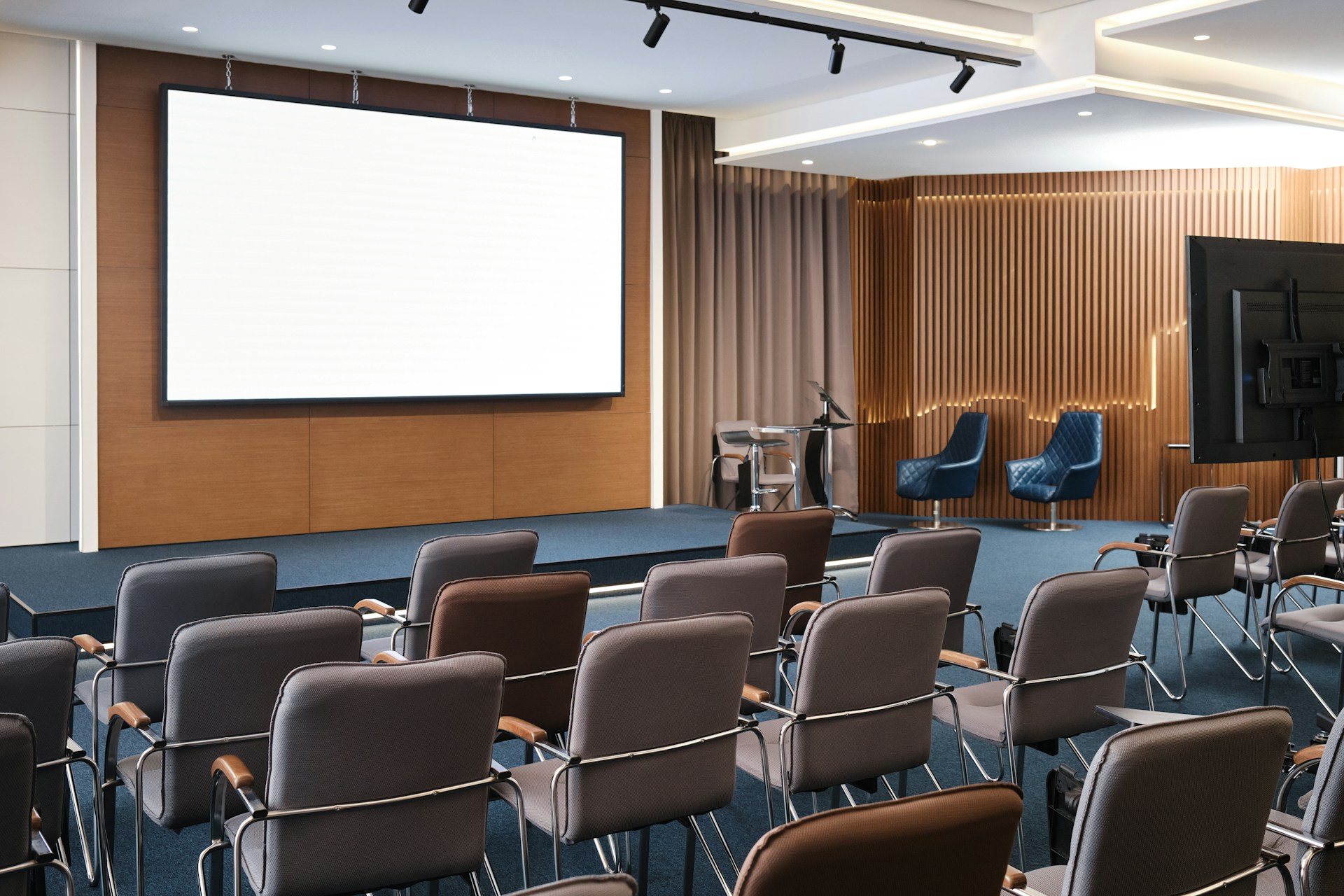
Not all rooms are created equal. A 300-seat auditorium sounds impressive; it’s also a disaster if your audience is 80 people and no one adjusted the layout. The best venues offer modular configurations — rooms that adapt depending on whether you’re running a keynote, a workshop, or a hybrid of both.
Breakout spaces are often the difference between a good event and a great one. Collaboration doesn’t happen in rows of chairs.
Technology: table stakes, not a bonus.
High-speed internet, reliable AV systems, and hybrid meeting capability aren’t luxury features anymore. They’re baseline expectations. If a venue can’t support a live demo, a remote presenter, or a smooth video stream, it’s going to cost you — either in stress on the day or credibility with attendees.
On-site technical staff matter too. Having someone who can actually fix a problem beats a cable closet and a prayer.
The big names vs. the hidden gems.
The National Exhibition Centre handles massive-scale conferences — thousands of delegates, full logistics support, extensive parking. Same goes for the International Convention Centre. These venues deliver for large-scale productions, but they’re not the answer for every brief.
Hotels offer convenience for multi-day events, keeping delegates sleeping where they’re meeting. Universities — often overlooked — provide well-equipped lecture theatres and seminar rooms at competitive rates. And Birmingham’s growing crop of independent, creative spaces suits industries that find corporate hotel ballrooms a bit soul-crushing.
A quick example.
Say you’re running a product launch for roughly 200 people in the tech sector. You need strong connectivity for live demos, easy rail access, and a room that can flip from presentation mode to networking in under an hour. A central conference facility — even at a slight premium — almost certainly beats a bigger space on the outskirts. Accessibility and atmosphere do real work.
Sustainability: increasingly non-negotiable.
More organisations are now asking venues directly about environmental practices before signing anything. Energy efficiency, reduced single-use plastics, recycling systems — these aren’t just nice-to-haves for some clients. They’re selection criteria. Birmingham venues have been moving in this direction, though standards still vary.
Before you book anything:
Define what success actually looks like for your event. Estimate attendance honestly (not optimistically). List your technical requirements in writing. Then compare venues on total value — not just day rate. And wherever possible, visit in person before committing.
The range of meeting venues Birmingham offers genuinely suits most briefs — from intimate workshops to full-scale international conferences. The city has the transport links, the variety, and increasingly the sustainability credentials to make it a smart default for UK event planning.
The work is in the matching. Get that right and everything else follows.