

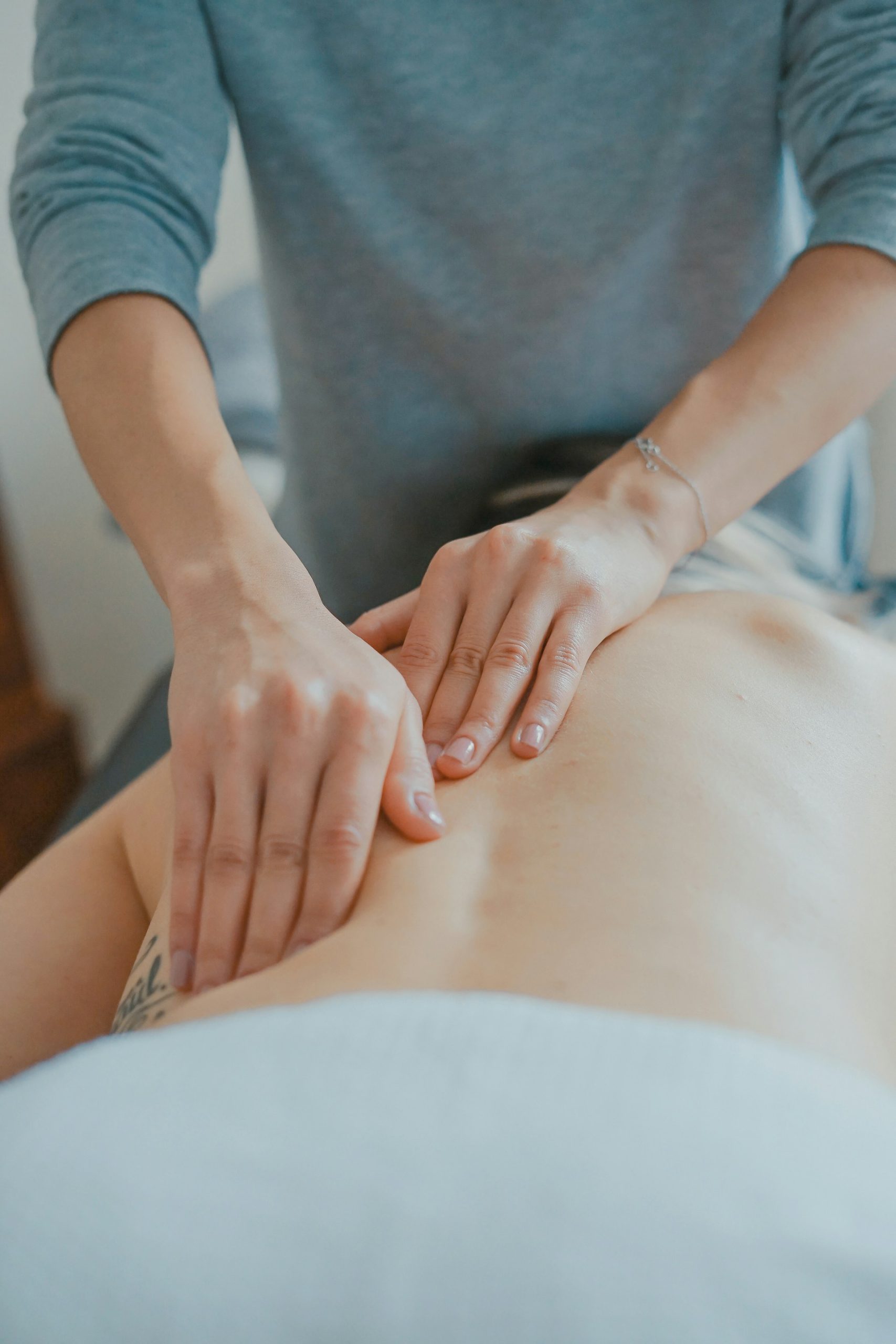
The Cotswolds does something to people. All those footpaths, cycling routes, and rolling hills — they invite activity, and activity invites injury. It’s no surprise that demand for a good physiotherapist in the Cotswolds has quietly climbed alongside the region’s reputation for outdoor living.
But physiotherapy here isn’t just for weekend warriors nursing twisted ankles.
Far from it. Office workers hunched over laptops in Chipping Norton, older residents wanting to stay steady on their feet in Bourton-on-the-Water, post-surgical patients relearning how to move — the range of people who benefit from professional physio is wider than most assume.
What a Physiotherapist Actually Does
Here’s the thing: physio isn’t just massage and heat packs. Physiotherapists assess how your body moves, identify why something hurts (which often isn’t where the pain actually is), and build a plan to fix it — not just mask it.
That plan might include:
- Targeted exercise programmes
- Hands-on manual therapy
- Postural and movement education
- Advice on recovering without losing fitness altogether
- Injury prevention work before problems develop
The better clinicians don’t just treat the symptom. They ask why your shoulder keeps giving out, or why your back flares every six months.
The Cotswolds Factor
This region has a specific mix of lifestyle stressors that makes physio particularly relevant.
Active adults push their bodies hard — hiking long-distance trails, competing in equestrian events, grinding out cycling miles on undulating terrain. These activities build fitness, sure. But they also load specific joints and muscle groups repeatedly. The result? Overuse injuries that sneak up quietly and then stop you cold.
At the same time, plenty of Cotswolds residents spend their working hours seated. Poor posture, screen-heavy routines, minimal movement — this combination creates its own set of problems. Back pain. Neck tightness. Shoulder tension that migrates into headaches.
Two very different problems. Same solution: a good physio who actually listens.
Common Conditions Worth Knowing About
Backs and necks top the list, almost everywhere. Cause could be a gym incident, years of desk work, or simply the gradual wear that comes with age. Treatment varies — but usually involves movement, not rest.
Sports injuries come next. Ankle sprains, hamstring strains, knee pain, rotator cuff issues. These need proper assessment; self-diagnosing from Google rarely ends well.
Post-surgical rehab is where physiotherapy arguably matters most. After a knee replacement or ligament reconstruction, structured rehabilitation isn’t optional — it’s what determines whether the procedure actually delivers the mobility improvements it promised.
And for older adults? Balance work, strength maintenance, fall prevention. Staying independent longer is, frankly, one of the best outcomes physio can deliver.
How Treatment Actually Works
Exercise-based rehab is the backbone of most recovery plans. Not glamorous. Takes commitment. But the evidence overwhelmingly supports it for lasting results.
Manual therapy — hands-on joint and soft tissue work — can provide real short-term relief. The catch? On its own, it rarely produces permanent change. The research is pretty clear: combine it with active rehab and the outcomes improve significantly.
Education is increasingly central too. Understanding why your hip hurts, how to modify activities without stopping entirely, what warning signs to watch for — this kind of knowledge helps patients stay better long after they’ve left the clinic.
Picking the Right Physiotherapist in the Cotswolds
Not all physios are the same. Qualifications matter, obviously. But so does clinical focus — someone who specialises in post-surgical rehab may not be the right choice for a competitive runner dealing with tendon issues.
Worth checking:
- What conditions do they see most often?
- Do they offer structured exercise rehabilitation or mainly hands-on treatment?
- How do they handle ongoing care once the acute problem resolves?
Anyone searching for a physiotherapist in the Cotswolds should look beyond just proximity. The right fit — in terms of expertise and approach — makes a meaningful difference to outcomes.
Don’t Wait Too Long
This part gets ignored constantly. An untreated ankle sprain changes how you walk. Altered walking mechanics stress the knee. Knee compensation strains the hip. Suddenly a minor injury has become a chain reaction affecting multiple joints — and recovery takes three times as long.
Early assessment short-circuits all of that. It identifies the actual source of symptoms, prevents compensatory patterns from taking hold, and usually cuts recovery time considerably.
Where the Profession Is Heading
Remote consultations have expanded access — useful for anyone in the more rural parts of the Cotswolds who’d otherwise face a significant drive. Movement analysis technology is getting more sophisticated, letting clinicians spot subtle imbalances that would’ve been missed a decade ago.
Perhaps most interesting: preventive physiotherapy. More people are now seeing a physio before injury strikes — to optimise movement, address weaknesses, or prepare for a specific physical challenge. Proactive rather than reactive.
The question worth sitting with: why wait until something breaks?