

Most people have never heard of a steel stockholder. That’s exactly the problem.
These businesses sit quietly between massive steel producers and the construction firms, engineers, and manufacturers who actually build things — and without them, entire projects grind to a halt. A steel stockholder is the difference between a bridge beam arriving Tuesday or arriving in six weeks.
Here’s how it actually works.
What They Do (And Why It Matters)
At its core, a steel stockholder buys steel in bulk from producers, stores it, and sells it in smaller quantities to businesses that need it fast. Simple idea. Harder in practice.
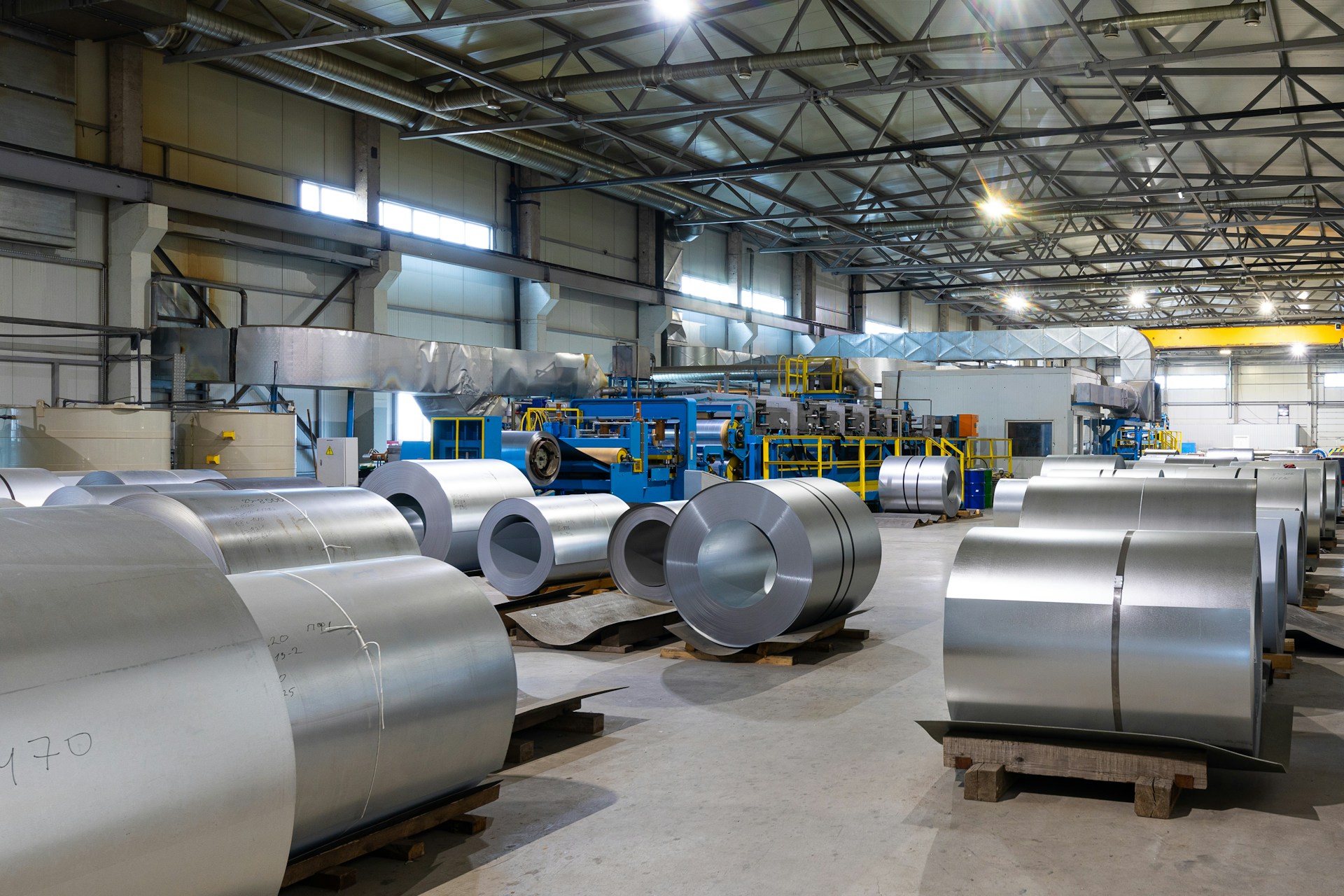
Their inventory spans a remarkable range: bars, sheets, tubes, structural beams, specialist engineering grades. They’re not just warehouses, either. Most modern stockholders offer cutting to size, CNC machining, drilling, surface preparation — materials arrive at the customer’s door ready to use, not raw stock that needs another round of processing.
Think about what that means for a construction firm racing a deadline. They don’t call a steel mill. The mill wants large orders and takes weeks. They call a steel stockholder, who pulls the right-sized beams from existing stock and delivers within days.
That’s the job.
The Forces Pushing and Pulling on the Sector
Running a steel stockholder business isn’t straightforward. A few things make it genuinely tricky.
Steel prices move constantly — driven by raw material costs, energy markets, trade policy, shipping disruptions. Buy a load of stock at the wrong price, and you’re selling at a loss when the market shifts. The catch? You have to buy in advance. There’s no way around it.
Inventory management is its own puzzle. Too much stock and you’ve got capital sitting in a yard, slowly rusting. Too little and customers go elsewhere. Getting that balance right requires real forecasting discipline — increasingly, data-driven tools are doing the heavy lifting here.
Logistics adds another layer. Steel is heavy, bulky, awkward to move. Delivery delays ripple downstream fast, particularly in manufacturing environments where assembly lines run on tight schedules.
And the competition is stiff. Customers expect quick turnaround, competitive pricing, wide product selection — all simultaneously. For smaller operators especially, that’s a lot to manage.
The Grade Question
Not all steel is the same. Not even close.
A steel stockholder typically carries mild steel for general fabrication, higher carbon grades for load-bearing structural work, alloy steels for specialist engineering applications, and stainless grades where corrosion resistance matters. A single construction project might need three or four different types depending on what each component has to do.
This variety is part of the value. Buying direct from a mill often means specialising. A stockholder’s whole point is breadth — one call, multiple grades, delivered together.
Technology Is Changing Things
Real-time inventory tracking used to be the exception. Now it’s expected. Customers want to check availability instantly, not wait for someone to walk the yard with a clipboard.
Automated ordering, digital machining controls, demand forecasting software — these tools are reshaping how a steel stockholder operates. Less guesswork, faster fulfilment, fewer errors. The businesses investing here are pulling ahead.
The Environmental Piece
Sustainability is showing up in procurement conversations more often. Stockholders aren’t steelmakers, so their direct emissions footprint is smaller — but they’re still part of the chain. Efficient routing reduces transport emissions. Precision cutting minimises waste. Sourcing recycled-content steel where specs allow it.
It’s not the whole answer, but it’s a genuine contribution.
Where This Is Heading
Automation in warehousing is accelerating. Predictive analytics for stock planning is improving. The value-added services side — machining, finishing, just-in-time delivery — keeps expanding as customers want more done for them before materials arrive.
Global infrastructure investment isn’t slowing down anytime soon. That sustains demand. And as supply chains get more sophisticated, the role of the steel stockholder — connecting production to application, quickly and reliably — only gets more important, not less.
They’re not glamorous. But pull one out of the chain, and you’d notice fast.