

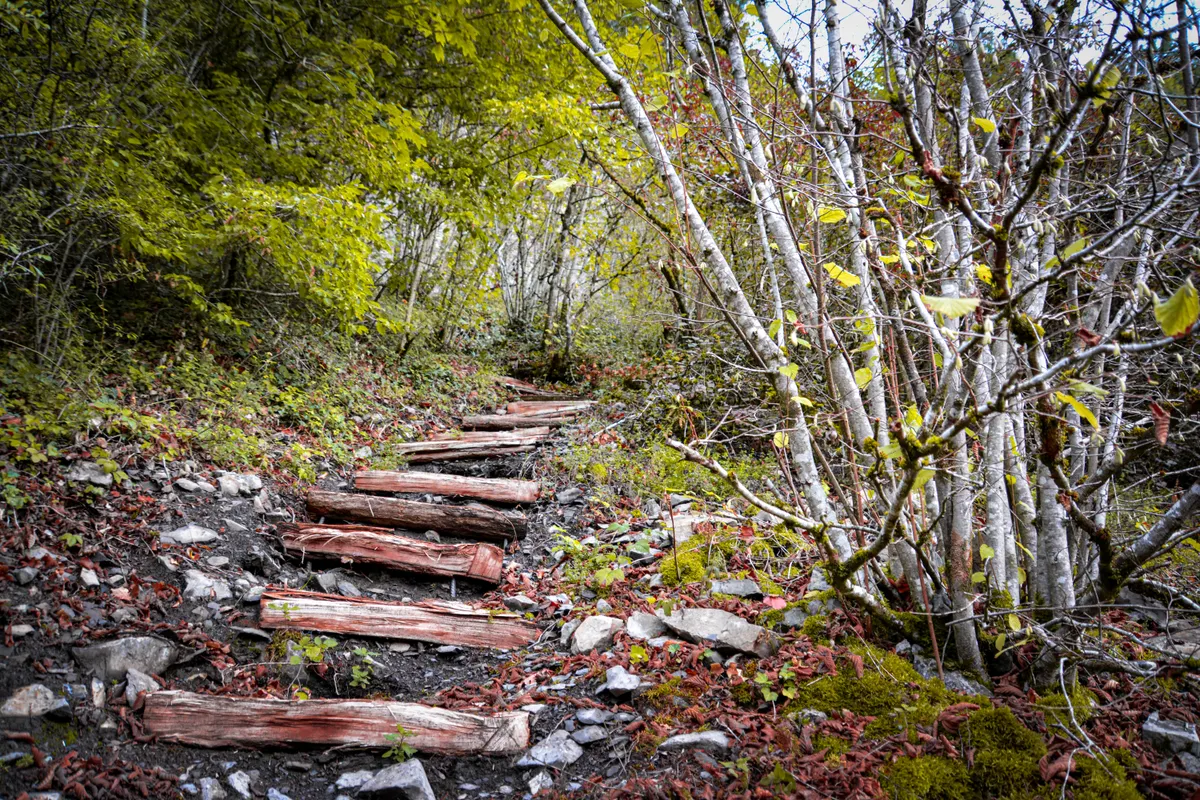
Travel writer Emily Hart has visited every major US national park solo over the past decade, but there are five national parks worth skipping for a return trip, even though each delivered a memorable first experience. Her reasoning ranges from logistical hurdles and eye-watering costs to the simpler conclusion that some places are best left as once-in-a-lifetime visits.
Glacier Bay: Spectacular but Structurally Hard to Reach Twice
Hart counts Glacier Bay National Park in Alaska among the most beautiful places on earth, yet she does not plan to go back soon. The reason is largely structural: the park has no road access and can only be reached by plane or boat, with no entrance fee required once you arrive, according to Royal Caribbean’s Glacier Bay guide.
The real constraint is the vessel quota. Under federal regulations at 36 CFR 13.1160, only two cruise ships are permitted inside the bay on any single day, year-round. Across an entire summer season, roughly 150 cruise ship entries are allocated in total, according to CruiseMigration’s analysis of Glacier Bay permits. Hart visited aboard the Norwegian Bliss, and while she loved every moment, the cost and logistical complexity of securing a berth again make a second trip hard to justify.
Hot Springs: More Monument Than Wilderness
Hot Springs National Park in Arkansas divides opinion among park enthusiasts, and Hart lands firmly in the sceptical camp. Unlike most of the national park system, Hot Springs is built around man-made structures, sits largely within a city, and the hot springs themselves are heavily developed from their natural state.
Hart describes it as feeling more like a national monument than a park. She would revisit if already in Arkansas, but her preference would be the Buffalo National River or Petit Jean State Park instead.
Carlsbad Caverns: Otherworldly, but Not for Everyone
Carlsbad Caverns National Park in New Mexico spans 46,766 acres, of which more than 33,000 acres are designated wilderness, and contains over 119 known caves formed when sulphuric acid dissolved limestone, according to the National Park Service’s Carlsbad Caverns facts page. The park draws around 500,000 visitors a year and has recorded more than 44 million visits since 1924, the NPS reports.
For Hart, the issue is not the park’s credentials but personal taste: she simply does not enjoy cave exploration. With White Sands National Park, Bandelier National Monument, and Ghost Ranch in Abiquiu all within reach, she would rather spend her time above ground in New Mexico.
Haleakalā: A Sunrise Best Kept Once
Watching sunset from the summit of the Haleakalā volcano on Maui was one of Hart’s most memorable national park moments. She rates the experience among her all-time favourites, which is precisely why she will not be rushing back.
For her, Haleakalā belongs in the category of trips that lose something on repetition. If she returns to Hawaii, other destinations on the islands take priority.
Indiana Dunes: Convenient, but the Views Tell the Whole Story
Indiana Dunes National Park sits roughly an hour outside Chicago and stretches for approximately 15 miles along the southern shore of Lake Michigan, covering 15,349 acres. Congress authorised the site in 1966 as the Indiana Dunes National Lakeshore; it was redesignated as the country’s 61st national park on 15 February 2019, according to the National Park Service’s Indiana Dunes page. The park contains over 50 miles of trails threading through dunes, woodlands, prairies, and wetlands.
Hart acknowledges the dunes and beach are genuinely beautiful and the proximity to a major city is a real advantage. Her hesitation is visual: industrial areas and power plants remain visible from parts of the park, which she feels undercuts the sense of escape that a national park visit is supposed to deliver.
She would not make a dedicated trip back, though she concedes it is an easy choice for Chicago-area residents after a good first visit.
What the List Actually Reflects
None of Hart’s five parks are bad; each delivered something genuinely worth experiencing. The distinctions she draws are between parks that reward a second visit and those where the first trip already captured everything on offer, or where cost, access, or personal preference shifts priorities elsewhere.
For travellers still building their national park list, all five remain worth visiting once. The question of whether to return is simply a different calculation, and Hart’s honest answer for these five is no. For anyone planning an Alaska cruise, the daily two-ship cap at Glacier Bay means booking early is not optional; for the 2026 summer season, berths on qualifying vessels are among the first to sell out.