

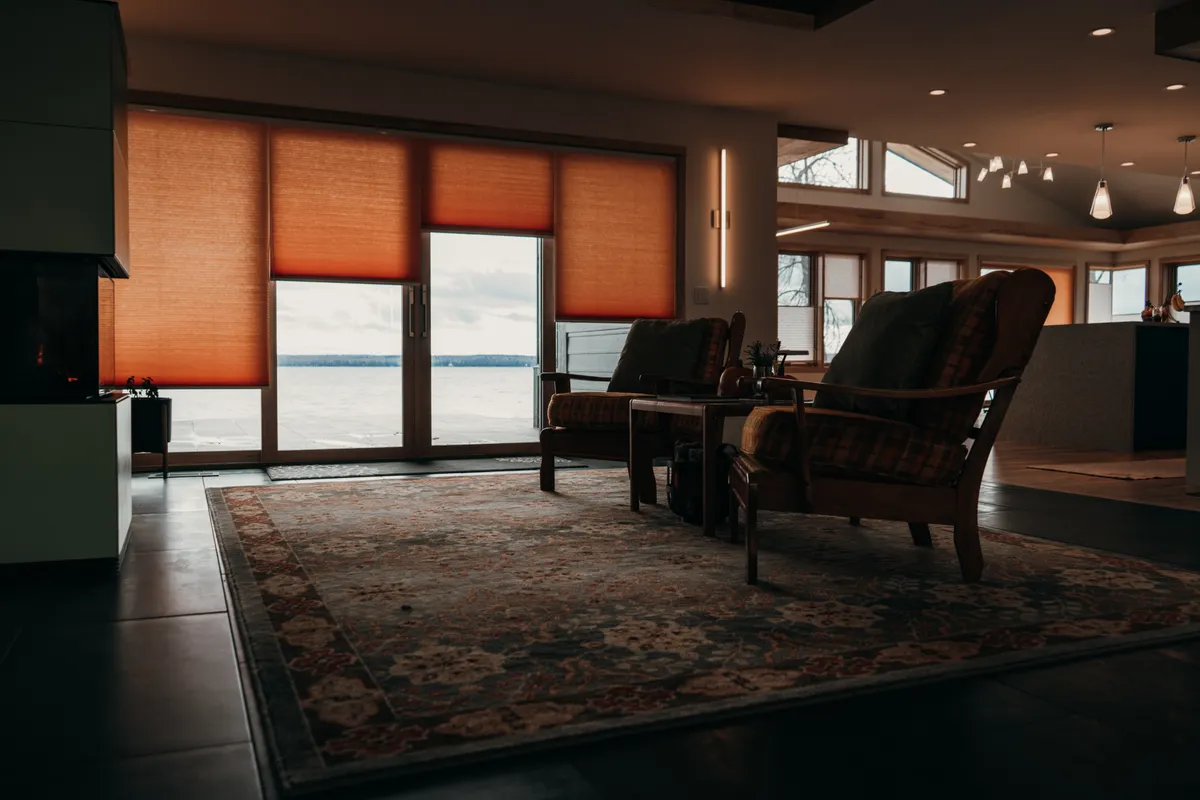
SelectBlinds smart blinds sit at an increasingly crowded intersection of home décor and home automation, but a hands-on installation across multiple rooms reveals they earn their place there. The company, which says it has covered over 18 million windows and served 3 million or more customers, offers a motorised window treatment range that goes well beyond the functional basics.
What makes SelectBlinds smart blinds worth the investment
The range spans over 170 product options, from blackout roller shades to Roman-style shades in designer prints. Motorised options start at $121 per shade for classic vinyl blackout roller shades with smart automation.
Where SelectBlinds smart blinds genuinely distinguish themselves is the pairing of design choice with genuine smart-home connectivity. The SelectConnect Bridge links compatible motorised treatments to Alexa, Google Home, and Apple Home (Siri), giving users voice control, automated scheduling, and integration with broader home routines. That third platform matters: many competitors stop at Alexa and Google Home.
For those running more advanced home-control setups, the underlying Bond Home infrastructure that powers the SelectConnect Bridge also supports Control4, Crestron, Savant, Hubitat, and several other platforms. A custom-install household can slot SelectBlinds shades into a sophisticated wider system without workarounds.
The company also backs its motorised products with a free 3-year limited warranty, and ships oversized blinds and shades measuring 94 inches wide or above at no extra freight cost, where other retailers typically charge a $70 surcharge per oversize item, according to the SelectBlinds motorised roller shades page.
Installation, apps, and the limits of the ecosystem
Getting the shades up is manageable, though not always solo-friendly. Single-window roller shades are the most straightforward; a large double-window shade with awkward proportions required two people, a ladder, a barstool, and patient collaboration to seat the bracket notches properly.
The smart-home layer works through two apps rather than one, which adds friction. The Bond Home app handles the majority of day-to-day control: it lets users name, group, and schedule all connected shades, and differentiates between roller and Roman styles in the same interface. Roman shades also require the Tuiss SmartView app, which offers a percentage-slider view of exactly how far a shade has dropped. In practice, once a preferred position is saved, that app rarely needs opening again.
Bluetooth syncing with the remote occasionally requires holding the remote close to the shade’s rod to get a clean pairing. The SelectConnect Bridge similarly needs proximity during initial setup, but the Bond Home app guides the process clearly.
The 66 shade styles compatible with the SelectConnect Bridge can all be controlled by phone and voice once set up. Custom schedules tied to lifestyle patterns, including different routines for weekdays and weekends, run without daily input once configured.
On the design side, SelectBlinds has expanded into branded collections, including a collaboration with The New York Botanical Garden, alongside prints such as the William Morris Strawberry Thief pattern used across the kitchen and entryway installs reviewed here. The company makes blinds to order with a fit guarantee that offers replacement custom blinds if measurements are wrong on delivery, and shade samples are free before any purchase commitment is made.
Founded in 2003 as a direct-to-consumer company, SelectBlinds has built a catalogue deep enough that finding a style to match an existing interior, rather than compromising on one, is a realistic expectation rather than a sales promise.
SelectBlinds smart blinds are battery-operated and need periodic charging, custom orders carry longer lead times than off-the-shelf alternatives, and the dual-app setup is a genuine usability gap. But for buyers who want a motorised shade that fits a specific interior without surrendering voice control, hub integration, or a meaningful warranty, the combination is harder to match at this price point. The free oversize freight benefit alone shifts the economics for anyone covering large windows.
The practical test is whether the 3-year warranty and the Bond Home ecosystem’s breadth remain competitive as rivals expand their own platform lists; the next round of smart-home hub announcements will set that benchmark.