

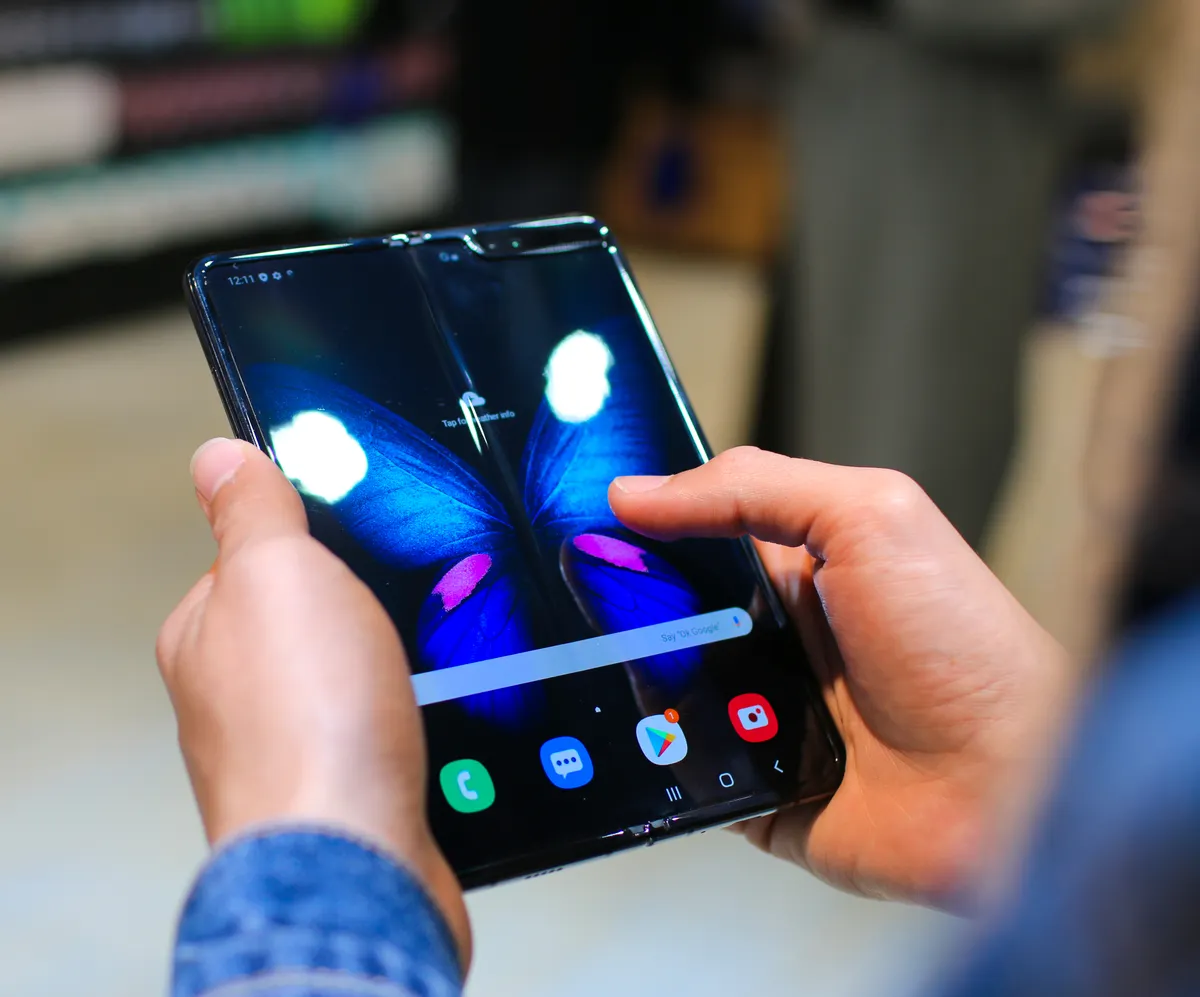
The Pixel 11 Pro Fold durability advantage over the Samsung Galaxy Z Fold 8 comes down to two letters buried in a specification sheet: the difference between IP48 and IP68, and what those digits actually mean when you are standing on a beach.
The Galaxy Z Fold 8 carries an IP48 rating. The second digit (the ‘4’) means the phone resists solid particles larger than 1mm. Sand, which can be considerably finer than 1mm, slips straight through that protection threshold. The ‘6’ in IP68, by contrast, means the device is fully dust-tight, as Benks explains in its IP rating breakdown. Both phones share the same water immersion protection, rated to 1.5 metres for 30 minutes. The gap is entirely on the dust side.
Samsung did make meaningful structural upgrades to the Z Fold 8. It added titanium to the hinge and the inner screen, and CNET reports the phone’s displays reach a peak brightness of 3,000 nits, with anti-reflective coating Samsung says cuts glare by up to 50%. The phone, per Android Central, packs a Snapdragon 8 Elite Gen 5 for Galaxy processor, up to 16GB of RAM, and a 4,800mAh dual-cell battery with 45W wired charging. It weighs 201g, according to the Google Fi spec sheet. A capable machine, just not one built for the beach.
Pixel 11 Pro Fold Durability: What Changed From the Previous Generation
The Pixel 11 Pro Fold arrives with full IP68 water and dust resistance, as its predecessor the Pixel 10 Pro Fold did. But Google has also addressed the main complaint about the earlier model: it was heavy and thick. Google shaved almost a millimetre off the thickness and almost 20 grams off the weight, producing a phone that sits much closer in hand-feel to the Galaxy Z Fold 8 Ultra.
The hinge has been redesigned entirely. Google’s own announcement states the new gearless hinge design is three times more durable than the one in the previous generation. The phone also brings back glass that Google describes as nearly impossible to crack, a meaningful claim at a time when cracked-screen handsets are a common sight. The Pixel 11 Pro Fold weighs 239g, according to Android Central, and carries a 4,750mAh battery with 16GB of RAM and Google’s custom Tensor G6 chip, manufactured on a 2nm TSMC process.
On the display side, Mashable, citing Google, reports the Pixel 11 Pro Fold’s 6.5-inch outer display and 8-inch inner display both use Super Actua screen technology for the first time on a Pro Fold model, making both panels 20 percent brighter than the previous generation and capable of reaching 3,600 nits peak brightness. Mashable also notes that, per Google, the Tensor G6 chip delivers up to 50 percent more TPU compute power and up to 20 percent greater power efficiency compared to its predecessor.
Magnetic charging for Qi2.2 and MagSafe compatibility comes built in. The Pixel 10 Pro Fold, which launched at $1,799, was the first foldable to include Qi2 charging, according to Yahoo Finance’s coverage of the Made by Google 2025 event; the 11 Pro Fold extends that with Qi2.2 support.
Three Foldables, Three Niches, and One That Covers the Bases
The US foldable market has settled into three distinct positions. The Razr Fold carries the largest battery and, by some accounts, the strongest camera package. The Galaxy Z Fold 8 leads on raw processing power and offers the most novel form factor. The Pixel 11 Pro Fold makes the strongest claim on durability.
The Honor Magic V6, available overseas and not yet priced for US consumers, pushes the durability argument even further. CNBC reported the phone, which launched at MWC in March 2026, carries both IP68 and IP69 ratings. IP69 adds protection against high-pressure water jets on top of full submersion coverage, according to Bandicoot Lab. The Magic V6 also brings a 6,660mAh battery and a 7.95-inch inner display, powered by the Snapdragon 8 Elite Gen 5. International availability was planned for the second half of 2026, with pricing not disclosed at launch.
The Honor sets a marker for where the category is heading. For now, though, the Pixel 11 Pro Fold stands as the only IP68-rated foldable available in the US, a distinction that matters most when sand gets into the equation. A phone with a better processor or a cooler hinge design is worth nothing if you have left it at home to protect it.
The real test for Samsung will be whether the Galaxy Z Fold 9 finally closes the dust-resistance gap. Until it does, beach-goers have a clear answer.