

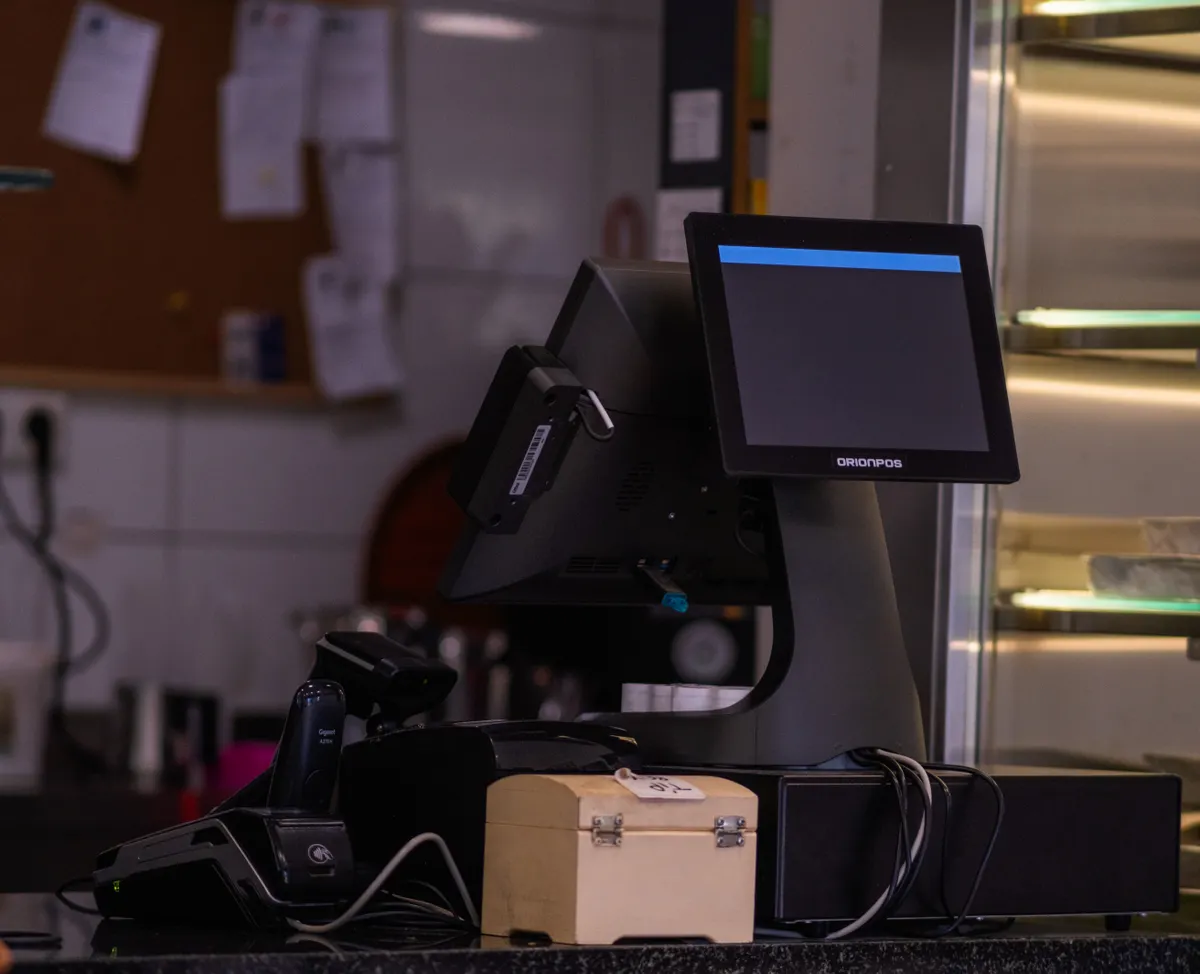
The Walmart Apple Pay rollout confirmed on 21 August means the last major American retailer to resist tap-to-pay has finally relented, opening its point-of-sale terminals to Apple Pay, Google Pay, and other NFC payment methods across its US stores and Sam’s Club locations.
According to The Verge, the rollout begins at select Walmart and Sam’s Club locations from 24 August, with all US stores and clubs covered by the end of 2026. Fuel stations at both banners will follow, coming to every US location by mid-2027, Walmart’s corporate announcement confirmed.
Walmart has not published which stores or cities will receive the technology first. Axios, citing a company spokesperson, reported that Walmart is not publicly sharing that list.
A Decade of Resistance: How the Walmart Apple Pay Rollout Finally Happened
Apple Pay launched in 2014, according to PaymentsJournal, making Walmart the largest retailer to reject it from the start. Walmart Pay, the chain’s own QR-code payment system, arrived in December 2015. Business Insider reported at launch that Walmart said it built the system rather than adopting Apple Pay because it wanted customers to be able to use any brand of phone to make purchases. The initial rollout began near Bentonville, Arkansas.
Behind that justification sat a broader industry fight. In 2016, CurrentC, a merchant consortium that Walmart helped conceive as a network to rival Apple Pay, collapsed, according to PaymentsJournal. Even after CurrentC failed, Walmart continued pushing its own system. PaymentsJournal also noted that Walmart held discussions with Apple about incorporating Apple Pay into the Walmart Pay app in those early years, though nothing came of those talks.
The financial logic was straightforward. Accepting Apple Pay or Google Pay means paying processing fees to those platforms. When a retailer turns over billions of dollars in transactions each year, even small per-transaction fees accumulate into a material cost. Keeping payments inside its own system let Walmart sidestep that expense entirely.
Data was the other reason. Every Walmart Pay transaction fed back into the company’s picture of customer buying habits, functioning as a de facto loyalty programme. That data asset does not transfer when a shopper taps their phone through Apple Pay or Google Pay.
What Happens to Walmart Pay Now
Walmart Pay is not going anywhere. The company’s announcement described tap-to-pay as ‘a great addition to payment options already offered like cash, credit card, or Walmart Pay,’ signalling that the QR-code system will coexist with the new NFC option rather than be retired.
Sam’s Club members also retain Scan and Go, which lets shoppers scan items on their phone as they walk the floor and pay without visiting a traditional checkout lane, according to the Walmart corporate announcement. That feature sits alongside tap-to-pay as a separate option.
About 85% of US retailers already accept tap-to-pay, which means Walmart’s move brings it into line with the broad market rather than leading it. The appeal of the format is largely about friction: tapping a phone to a terminal is faster than locating a card, and NFC payments encrypt card details into a one-time token, so a data breach at the retailer exposes only the token rather than the underlying account information.
Walmart Pay does retain one concrete incentive for drivers. Shoppers who pay with Walmart Pay at the chain’s petrol stations receive 3 cents off per gallon, a small but real saving that could keep habitual users on the platform.
Whether that is enough is the central question. For shoppers who find Walmart Pay’s navigation inside the app cumbersome, the arrival of tap-to-pay removes the main reason to persist with it. If Walmart wants to retain payments volume on its own platform, the fuel discount may need company. A broader in-store saving, even a modest percentage off purchases paid through Walmart Pay, could preserve the habit for cost-conscious shoppers.
The alternative path, if Walmart Pay usage fades, is a pivot toward a pure loyalty scheme, stripping out the payment function and concentrating on the data and receipts infrastructure. That is roughly the road Target took with Target Circle. Walmart holds enough transaction data to make that pivot worthwhile, which is why the payment system is unlikely to disappear regardless of how many customers switch to tapping their phones at the till.
The end-of-2026 in-store deadline is the next fixed point: if the rollout runs on schedule, the question of whether Walmart Pay survives as a payments product or becomes a loyalty wrapper will have a clearer answer before the new year.