

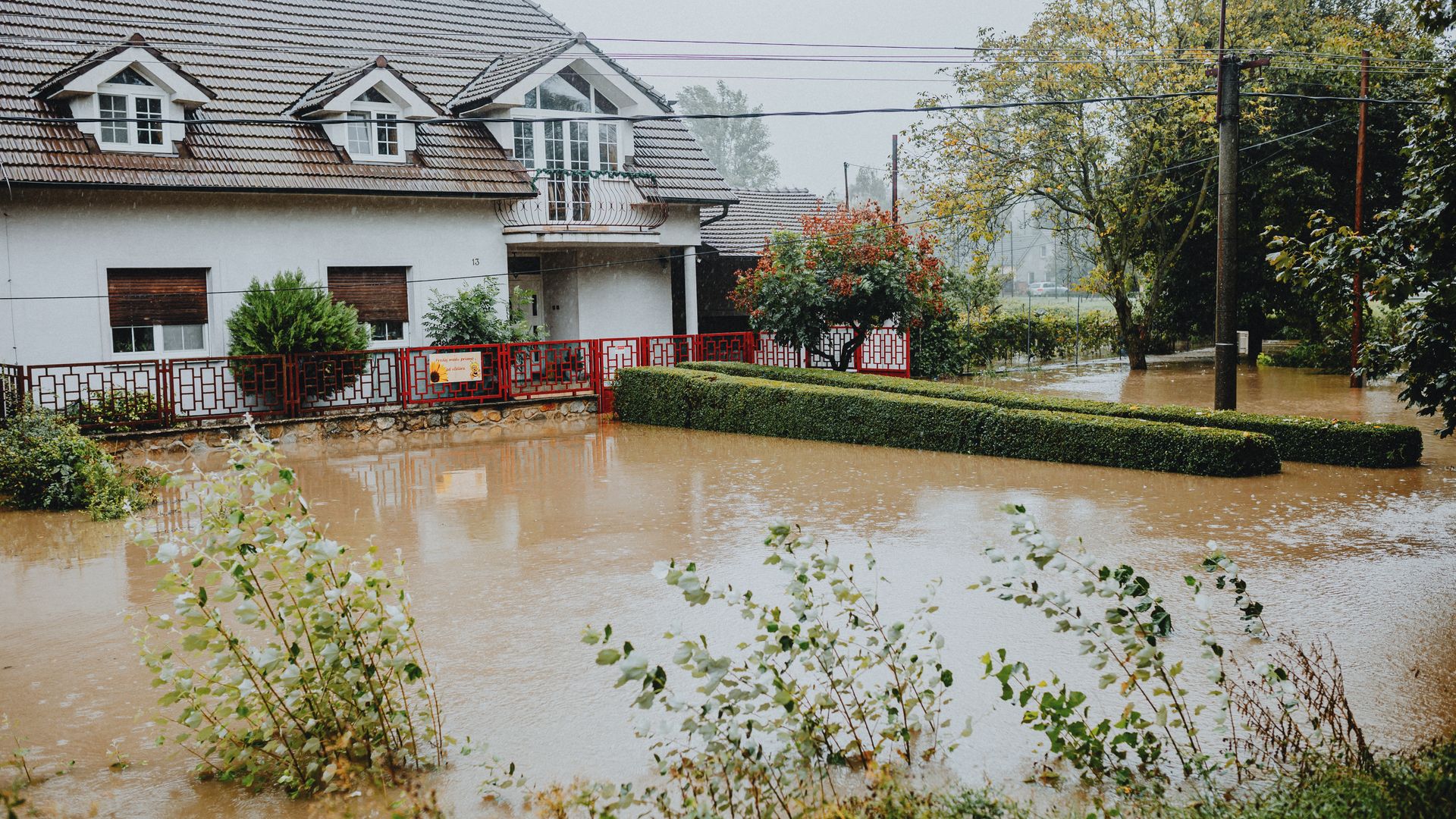
When a pipe bursts, a basement floods, or a roof leak allows rainwater inside, homeowners often want to start repairs as quickly as possible. However, rushing to replace drywall, install new flooring, or repaint damaged walls before removing the water can create bigger problems later. Professional water removal services help eliminate standing water and address moisture that could otherwise remain trapped inside building materials.
Water damage is not always limited to what you can see. Water can spread beneath carpets, seep into subfloors, collect behind baseboards, and soak insulation inside walls. Even when the visible surfaces appear dry, moisture may remain in hidden areas and continue damaging the property.
Removing the water first gives the restoration process a proper starting point. It allows professionals to assess the full extent of the damage, dry affected materials, and determine which repairs are necessary. For homeowners dealing with unexpected flooding or plumbing leaks, following this order can help prevent recurring problems and unnecessary expenses.
1. Water Can Continue Damaging Your Home After the Leak Stops
One of the biggest misconceptions about water damage is that the problem ends once the water source has been shut off. In reality, moisture can continue affecting building materials long after the leak or flooding incident has stopped.
Drywall absorbs water readily and may soften, swell, or lose its strength. Wood flooring can warp, while laminate materials may buckle or separate. Insulation inside walls can retain moisture, and wooden structural components may remain damp even after the surrounding surfaces appear dry.
The longer these materials stay wet, the greater the chance of additional damage. A small plumbing leak might initially affect only one section of flooring, but moisture can spread into adjacent rooms or lower levels if it is not addressed promptly.
Why Early Water Removal Matters
Removing standing water reduces the amount of moisture available to spread into surrounding materials. It also allows the drying process to begin sooner, helping restoration professionals identify which surfaces can be saved and which may require replacement.
For example, a flooded basement with water covering the floor may initially appear to need only new carpeting. After the water is extracted and the area is inspected, however, the underlying concrete, baseboards, and drywall may also need attention. Discovering these issues early helps homeowners avoid incomplete repairs.
2. Hidden Moisture Can Lead to Mold Growth
Mold is a common concern after water damage, particularly when moisture remains inside walls, ceilings, flooring, or other building materials. Mold spores are naturally present in the environment, but they can begin growing when suitable conditions exist, including sufficient moisture and an appropriate food source.
In many cases, the warning signs are not immediately visible. A musty odor may develop in a basement, dark spots may appear near baseboards, or paint may begin peeling weeks after an incident. These symptoms can indicate that moisture was not fully removed during the initial cleanup.
Painting over a damp wall or installing new flooring before the affected area has dried can conceal the problem rather than resolve it.
How Proper Drying Helps Reduce Mold Risks
Water extraction is only the first part of the process. After standing water is removed, affected areas need appropriate drying, and moisture levels should be checked before repairs begin.
Restoration professionals may use air movers, commercial dehumidifiers, and moisture detection equipment to identify damp areas and monitor progress. If mold is already present, additional assessment and appropriate remediation may be necessary.
Not every water damage incident results in mold, and its development depends on several conditions. Nevertheless, addressing moisture promptly is one of the most effective ways to reduce the risk.
3. Repairing Wet Materials Can Lead to More Expensive Work
Imagine replacing damaged drywall in a flooded room without checking whether the framing behind it is dry. The new wall may look perfectly finished, but moisture could remain inside the structure. Over time, that moisture may contribute to deterioration, unpleasant odors, or mold growth.
The same issue can occur with flooring. Installing new carpet, vinyl planks, or hardwood over a damp subfloor can trap moisture beneath the finished surface. The replacement materials may later warp, loosen, develop odors, or require removal.
These situations can turn one restoration project into two: the original repair followed by additional work to correct problems caused by incomplete drying.
Why the Correct Sequence Saves Money
A proper restoration process separates water removal, structural drying, damage assessment, and reconstruction into distinct stages. Each stage helps prepare the property for the next.
Once the affected area has been inspected and sufficiently dried, contractors can make more informed decisions about replacing damaged materials. This reduces the likelihood of installing new components over wet surfaces or overlooking hidden damage.
Although thorough drying may seem like an additional step, it can prevent avoidable repair costs and reduce the chances of having to reopen finished walls or remove newly installed flooring.
4. Water Can Weaken Structural Materials
Not all water damage is cosmetic. Depending on the amount of water, how long materials remain wet, and the construction of the home, moisture may affect wooden framing, subfloors, support components, and other parts of the building.
Wood can absorb water and swell, while repeated or prolonged exposure may contribute to deterioration. Ceiling materials can become heavy when saturated, and certain floor assemblies may lose stability when damaged.
These issues are especially important after major flooding, a significant plumbing failure, or water intrusion that has continued unnoticed for an extended period.
Why Structural Assessment Should Come Before Reconstruction
Removing the water makes it easier to inspect affected areas and determine whether materials have sustained damage beyond surface staining. Depending on the incident, professionals may need to examine subfloors, framing, insulation, and other concealed components.
If structural concerns are suspected, a qualified building professional should assess the affected elements before reconstruction proceeds. Cosmetic repairs should never be used to conceal materials that may be unsafe or inadequately dried.
Addressing these concerns early helps ensure that the completed repairs restore the home’s condition rather than simply improve its appearance.
5. Proper Water Removal Helps Identify the True Extent of Damage
Visible water does not always show how far the moisture has traveled. Water can move along flooring joints, follow the path of pipes, seep through small openings, and collect in areas that are difficult to access.
A homeowner may notice a wet patch beneath a window and assume the damage is limited to that location. In reality, moisture could have spread inside the wall or traveled beneath the flooring into an adjacent room.
Starting reconstruction before understanding the full extent of the damage can result in missed areas and incomplete repairs.
The Importance of Moisture Detection
Restoration professionals can use moisture meters and other suitable detection tools to evaluate affected materials. Depending on the building layout and incident, additional inspection methods may be needed to investigate concealed spaces.
These assessments help establish which areas require extraction, which materials need further drying, and whether certain components should be removed.
Finding hidden moisture before repairs begin creates a clearer picture of the work required. It also helps homeowners make better decisions about the restoration budget, repair schedule, and materials that can reasonably be salvaged.
6. Different Types of Water Require Different Cleanup Methods
Another reason water removal should happen before repairs is that not all water damage carries the same risks.
A clean-water supply line leak may present different concerns from flooding caused by a storm, an overflowing drain, or a sewage backup. Water that has contacted soil, sewage, chemicals, or other contaminants may require specialized handling and cleaning.
Simply extracting the visible water does not necessarily make an affected area safe. Porous materials such as carpet, insulation, and drywall may absorb contaminants and require removal, depending on the circumstances.
Why the Source of Water Matters
Before cleanup begins, it is important to identify the likely source of the water and assess whether contamination may be present. This determines the appropriate protective measures, extraction methods, cleaning procedures, and decisions about affected materials.
Homeowners should avoid entering contaminated floodwater or attempting to clean sewage backups without appropriate training and protective equipment. Electrical hazards are another concern when standing water reaches outlets, appliances, or wiring.
When the water source is uncertain or contamination is possible, professional assessment helps determine the safest approach before repair work begins.
7. Water Removal Helps Keep the Restoration Timeline on Track
After a water damage incident, homeowners naturally want to return to normal as quickly as possible. Families may need to move back into affected rooms, while businesses may need to reopen damaged areas.
Beginning reconstruction too early, however, can create delays if workers later discover wet insulation, damaged framing, or moisture beneath newly installed flooring. The affected area may need to be opened again, and some of the completed work may have to be repeated.
What a More Effective Restoration Timeline Looks Like
Although every incident is different, a typical water damage restoration project follows a logical sequence.
First, the water source is controlled. The immediate problem is stopped when possible, whether it involves a plumbing leak, roof failure, or another source.
Next, standing water is extracted. Appropriate equipment is used to remove accumulated water from affected floors and other accessible areas.
Then, the property is dried and monitored. Air movers, dehumidifiers, and moisture measurements may be used to help dry affected materials and evaluate progress.
Afterward, the damage is assessed. Professionals determine which materials can be restored, which need removal, and whether additional cleaning or remediation is required.
Finally, repairs and reconstruction begin. Damaged drywall, flooring, trim, insulation, or other components can be repaired or replaced once the affected areas are sufficiently dry and suitable for reconstruction.
Following this sequence helps reduce uncertainty and makes it easier to coordinate restoration work.
What Should Homeowners Do Before Water Damage Repairs Begin?
If you discover water inside your home, your first priority should be safety. Keep away from standing water near electrical systems, and do not enter a flooded basement if electrical hazards may be present. Contact the appropriate emergency professional if you suspect a dangerous condition.
If the water comes from a plumbing failure, shut off the supply when it is safe to do so. Take photographs of visible damage for your records and contact your insurance company according to your policy requirements.
Avoid removing building materials or attempting extensive cleanup until the source and type of water have been considered. Small spills involving known clean water may be manageable with ordinary household methods, but widespread flooding, contaminated water, and moisture inside walls or floors often require professional attention.
Once the immediate hazards have been addressed, arrange an assessment to determine how far the water has spread. This is particularly important when water has entered carpeting, insulation, drywall, wooden flooring, or other materials that can retain moisture.
Can Water Damage Repairs Begin on the Same Day?
In some situations, initial repairs may begin relatively quickly, but the timing depends on the amount of water, the materials affected, and the extent of the damage.
Emergency work can often start immediately. A restoration team may begin extracting standing water, moving salvageable belongings, and setting up drying equipment on the same day. These steps are different from reconstruction, which may need to wait until the affected areas have been adequately dried and inspected.
For a small, contained incident, drying may take less time than it would after extensive basement flooding. Wet insulation, multiple affected rooms, hardwood flooring, and moisture trapped inside walls can extend the process.
There is no single drying period that applies to every home. Moisture readings, material conditions, and the source of the water all influence when repairs can safely proceed.
Why Professional Assessment Makes a Difference
Water damage can be difficult to evaluate without the right equipment and experience. A floor may feel dry while moisture remains beneath it, and a wall may look undamaged even though insulation inside the cavity is wet.
A qualified restoration professional can assess visible and concealed moisture, determine appropriate drying methods, and document the condition of affected areas. Depending on the incident, the work may include water extraction, structural drying, cleaning, removal of unsalvageable materials, and coordination of reconstruction.
Professional assistance is especially valuable after extensive flooding, sewage contamination, recurring leaks, or incidents involving multiple rooms. It can also help when homeowners are unsure whether the affected materials are safe to retain.
Choosing a provider with a clear process for inspection, moisture monitoring, and restoration planning helps homeowners understand what needs to happen before rebuilding begins.
Conclusion
Water damage repairs should not begin simply because the visible water has disappeared. Moisture can remain trapped beneath floors, behind walls, and inside insulation, continuing to damage materials long after the original incident.
Removing standing water first allows the affected areas to be inspected, dried, and evaluated before reconstruction begins. This helps reduce the risk of mold growth, prevents avoidable repair work, and supports a more reliable restoration process.
The best approach is to control the source, remove the water, dry the affected materials, and confirm their condition before installing replacements or completing cosmetic work. When flooding is extensive, contamination is possible, or hidden moisture is suspected, professional assessment can help protect both the property and the people living in it.
Taking the right steps early can make the difference between a straightforward restoration project and a much larger repair problem later.
Contributed content: this article was written by a third-party contributor and does not necessarily reflect the views of News Anyway. Editorial and Advertising Policy