

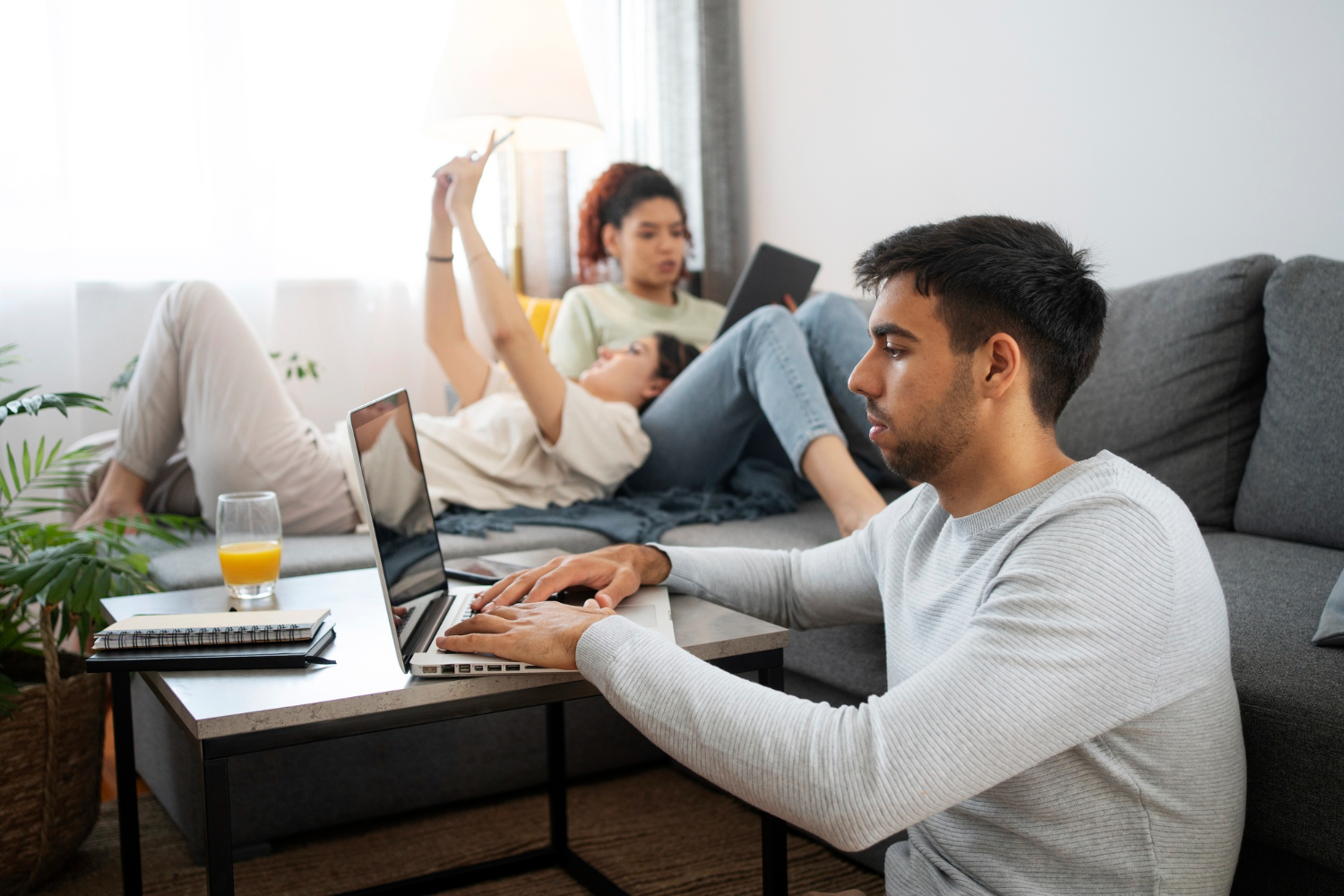
On a windowsill, a ceramic mug of herbal tea. Patiently, a loaf of bread rises beneath a linen towel. Soft jazz is playing in the background as someone organizes a drawer. These are the pictures that are subtly becoming popular on social media, going against the hectic pace that we have come to take for granted. Once a specialized idea among intentional homemakers and off-gridders, slower living has quickly grown into a captivating digital movement that appeals to millions of people.
This movement has found success on the internet with its aspirational yet realistic visuals. Slow moments are now being highlighted by platforms that previously flourished on rapid trends and frequent refresh cycles. The same algorithms that drove hustle culture are now promoting videos of people walking through forests, organizing their pantry, or baking sourdough, which may seem counterintuitive. These images encourage pause rather than urgency. Their influence is unexpectedly significant.
| Trend Name | Slow Living Movement |
|---|---|
| Core Values | Mindfulness, simplicity, emotional sustainability, intentionality |
| Online Growth | Driven by TikTok, YouTube, Pinterest, and digital communities |
| Lifestyle Practices | Gardening, baking, journaling, slow travel, digital detox |
| Cultural Context | Reaction to burnout, hustle norms, and rapid digital overdrive |
| Popular Platforms | #slowliving, r/simpleliving, long-form visual storytelling |
| Visual Style | Gentle lighting, ambient sounds, long quiet scenes |
| Reference Source | Think With Google – Consumer Trends Report |
A collective emotional shift is especially associated with the emergence of this slower aesthetic. The exaltation of hustle—late nights, early mornings, and constant productivity—was presented for years as both admirable and essential. However, many came to a turning point. Many people reevaluated the importance of time, presence, and self, particularly during the pandemic when routines were forced to be suspended.
People have started to regain a sense of tranquility that hustle culture denied them by opting for slower rhythms. Idleness is not the main point of the message. Clarity is key. Slow living encourages people to consider whether their actual values are reflected in their to-do lists rather than rushing through them.
Younger generations who have grown up navigating tech-saturated routines have found the movement especially appealing. The stream of content, the incessant ping of notifications, and the never-ending pressure to perform, both on and off screens, have left them in a state of mental exhaustion that is almost permanent. Living more slowly provides a release. It guarantees that you don’t have to maximize every second. Sometimes just being there is sufficient.
It’s remarkable how slow-living content differs. Videos are frequently silent or contain background noise. Some artists purposefully steer clear of voiceovers in favor of using images to evoke mood. A sort of deliberate restraint is at work. The viewer’s heart rate is slowed. It eliminates digital noise without making its purpose clear. It works especially well because of its subtlety.
Communities are emerging around these principles via slow travel blogs, YouTube vlogs, and Reddit threads. They suggest books on minimalism, trade composting advice, or just post pictures of neatly organized spaces and leisurely meals. Mutual encouragement is a powerful emotional current that is based on progress rather than perfection.
It’s important to note that many of these digital creators don’t claim to be experts at slow living. Rather, they present it as a habit—one they revert to when they are inevitably drawn away by modern life. The movement feels genuine because of its candor. Moreover, authenticity is a rare and precious commodity, particularly when it comes to the internet.
A 12-minute video of someone cleaning their kitchen caught my attention at one point. Just the hum of silent effort—no music, no cuts. I discovered halfway through that I had not once looked at my phone. That pause was incredibly rejuvenating.
Consumer trends toward sustainability and purpose are also linked to the popularity of slow living. By substituting quality for quantity, the movement opposes the fast-fashion mindset. Customers are becoming more inclined to prioritize experience over accumulation, purchase fewer but better-made goods, and choose reusable over disposable. This is especially advantageous for companies that are open to change and provide goods and messaging that support purposeful living without becoming superficial.
However, there are inconsistencies. The act of maintaining composure may turn into an additional source of pressure. Unrealistic expectations can arise from slow, beautiful mornings that are photographed with perfect focus and flattering light. Ironically, even simplicity can occasionally be so carefully chosen as to be excluded. Many viewers are trying to strike a balance between comparison and inspiration, so they are aware of this.
The movement’s fundamental desire for more meaning and less noise endures despite this tension. While it’s true that people with more time and resources can live more slowly, most people can make small changes like eating mindfully or not using their phones in the morning. That accessibility is subtly revolutionary.
Not only is content changing these days, but so is context. The digital aesthetic of slower living is giving way to a more profound cultural realignment. It’s about living life to the fullest, not about running away from it. These little routines, like cooking at home, keeping an analog journal, or even taking a weekly tech detox, are creating new emotional frameworks for connection.
The economic layer is starting to change as well. Companies that used to focus on speed are now positioning their products around stillness. Meal kits are promoted not only for efficiency but also for thoughtful preparation. In order to promote relaxation, streaming services emphasize ambient content. Rituals, not just routines, are the focus of wellness products.
Although there are limitations to the shift, it is becoming more pronounced. People are recalibrating, not retreating, when they decide to live more slowly. They’re finding that living intentionally can be incredibly beneficial for reestablishing joy, lowering anxiety, and regaining focus.
The ability of slower living to resonate—deeply, sustainably, and with quiet conviction—rather than just trend is what makes it the online movement with the fastest rate of growth.