

The MV Hondius appears average in the photos, which is the first thing you notice. A white-hulled, mid-sized adventure ship with narrow decks that is typically featured in glossy brochures promoting arctic expeditions and uncommon wildlife sightings. It doesn’t remotely resemble the type of week it recently had. However, something went wrong on board somewhere between Argentina and the Canary Islands, and three individuals are now dead.
Health officials have been cautious in their terminology, which is typically an indication that they are still learning. Eight passengers and crew members were found to have the Andes hantavirus strain, which is extremely uncommon at sea and uncommon on land.
It usually travels through rodent droppings in arid, dusty settings, such as rural Patagonia, rather than climate-controlled cabins aboard an expedition ship run by the Dutch. Reading the early announcements gives the impression that investigators are moving backwards from an unexpected outcome.
| MV Hondius — Outbreak Snapshot | Details |
|---|---|
| Vessel Name | MV Hondius |
| Operator | Oceanwide Expeditions (Netherlands) |
| Virus Identified | Hantavirus, Andes strain |
| Confirmed/Suspected Cases | 8 (as of May 6–7, 2026) |
| Reported Deaths | Three |
| Trip Origin | Argentina (suspected entry point) |
| Last Known Position | Off Cape Verde, en route to Tenerife |
| Incubation Window | 1 to 8 weeks |
| Public Risk Assessment | Low, per WHO |
| Agencies Involved | WHO, ECDC, national health ministries |
| Transmission Concerns | Rodent-borne; possible limited human-to-human spread |
The first medical evacuations occurred while the ship was operating close to Cape Verde. The ship then headed for Tenerife, where the health officials of the Canary Islands started getting ready for arrivals that no one had anticipated. Coordinating with epidemiologists was a challenge for Spanish port staff, who were used to the regular rhythms of cruise traffic. It’s the kind of event that only appears on the main page in the places that are immediately affected.
It’s not simply the location that makes this cluster unique. It is the hypothesis that there may have been some limited human-to-human transmission, but it is nonetheless cautious and guarded. The Andes virus is the only hantavirus strain that has ever been seen to spread in that manner, and even then, only under specific conditions. The ramifications go beyond a single ship if it occurred on the Hondius. In Argentina, where rats might have boarded with supplies or cargo, investigators are also investigating the trip’s early stages.
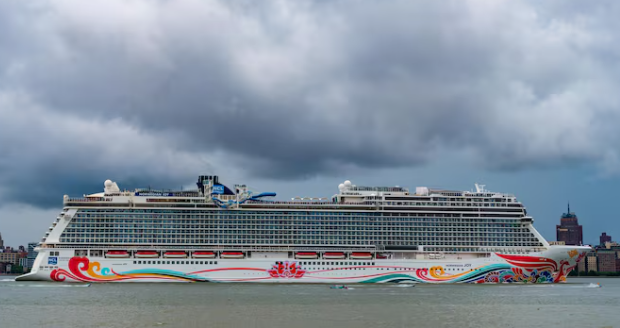
The public risk has been deemed low by the WHO, which is both technically correct and emotionally dubious. We are contacting passengers who disembarked at earlier ports. Some have already made their way back home, dispersed over South America and Europe, with nothing more than the recollection of an unusual journey and, in a few instances, a call from a public health authority. It’s difficult to ignore how easily a confined outbreak might become a continental tracing effort due to modern travel.
Beneath this one lies a lengthier tale. Cruise ships have always been susceptible to COVID, influenza, and norovirus outbreaks, but hantavirus is a distinct kind of issue. The standard playbook doesn’t apply to it. The response feels calculated rather than urgent, and the ECDC is working with national agencies in several different countries. The next round of test findings and whether anyone else on land experiences symptoms in the upcoming weeks will determine whether that calm lasts. For the time being, the Hondius continues to sail in the direction of port, carrying inquiries that might take far longer to resolve than the voyage itself.