

When a significant foreign policy negotiation is supposedly about to take place, Washington experiences a certain emotion. The briefings become more ambiguous. The principals begin to use phrases like “very good chance” and “we’ll know soon.” When covering diplomacy, reporters begin observing body language rather than making predictions. On May 12, President Donald Trump said that Iran might reach an agreement in a week, which fell into this well-known category.
The statement was characteristically self-assured, characteristically vague, and traditionally linked to the belief that what the United States is proposing will finally be accepted by the opposing side. The dynamic is instantly apparent to anyone who has observed Iran’s negotiations with the United States during the previous 20 years. The Iranians’ perception of this promise is shaped by the versions they have heard in the past.
| Iran-U.S. Negotiations — May 12, 2026 Snapshot | Details |
|---|---|
| U.S. President | Donald Trump |
| Latest Trump Claim | Deal possible within “a week” |
| Headline Talking Point | “99% of the deal” is Iran not having a nuclear weapon |
| Rejected Proposal | Iranian counterproposal brokered by Pakistan |
| Trump’s Description of Proposal | “Totally unacceptable” and “stupid” |
| U.S. Demand 1 | 20-year enrichment moratorium |
| U.S. Demand 2 | Transfer of highly enriched uranium to a third country |
| Iran’s Position | U.S. proposals described as “excessive demands” |
| Iran’s Demands | Lift sanctions, end Strait blockade, guarantees against future attacks |
| Ceasefire Origin Date | April 7, 2026, two-week framework |
| Historical Reference Point | JCPOA of 2015 |
| JCPOA Withdrawal | 2018, Trump first term |
| Mediator | Pakistan |
| Reference Body | International Atomic Energy Agency |
The current offer’s particular details are instructive. In addition to transferring Iran’s highly enriched uranium stockpile to a third nation, the United States is requesting a 20-year embargo on uranium enrichment. Compared to the 2015 Joint Comprehensive Plan of Action, which Trump personally withdrew the United States from in 2018 during his first term, that is a much more difficult request.
Trump called the Iranian counterproposal, which was allegedly mediated through Pakistani channels, “totally unacceptable” and “stupid.” Iran has responded by calling the American demands “excessive” and “a request for capitulation.” Currently, the two positions are not simply distinct. They are using disparate assumptions about what an agreement ought to achieve.
In this case, historical memory is important. The P5+1 powers engaged in nearly two years of rigorous negotiations to reach the 2015 agreement, which resulted in a verifiable set of obligations that the IAEA determined Iran was abiding with at the time Washington withdrew. The technical merits of any particular accord were not the lesson Tehran learned from that experience. It had to do with how long-lasting American commitments were throughout political cycles. Reading recent pronouncements from Iranian officials gives the impression that any new agreement will need to be designed to withstand future U.S. administrations, which is a particularly challenging need to meet given those administrations haven’t been elected yet.
The timing is made more difficult by the current state of negotiations. Originally, the framework for the April 7 truce was supposed to last for two weeks. The apparently active truce has been extended multiple times, with both sides exchanging gunfire in the Strait of Hormuz. Tankers have been contacted. There has been a disruption in commercial shipping.
Iran has exploited its influence over the strait as a counter-pressure tactic, and the United States has continued to boycott Iranian ports. The operational reality in the Gulf contrasts with the diplomatic optimism on display in Washington, as anyone who watches the daily reports from the UK Maritime Trade Operations Center can see. When characterizing the state of the ceasefire, the term “still in place” still does a lot of silent work.
The intriguing thing about Trump’s “one week” phrasing is what it shows about his calculated strategy. Significant air and naval asset deployments, drawdowns from the Strategic Petroleum Reserve, and pressure on diesel and jet fuel prices that have affected regular consumer markets are only a few of the actual economic consequences of the fight for the United States. Wanting a speedy settlement makes sense, especially as we approach a politically delicate time.
One of the most crucial factors in the current diplomacy is whether the Iranians interpret that pressure as a sign of American desperation or as leverage for themselves. They might have interpreted it as both. Additionally, they might be moving toward a deal they would never have thought of six months ago due to internal pressure, such as a depleted military and growing economic strain from the protracted struggle.
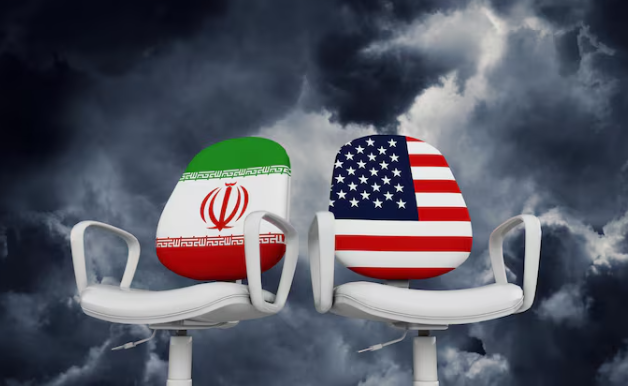
The cultural context is important. Over the past year, there has been a noticeable change in American public opinion toward war fatigue, especially as the financial and human costs of regional engagement have been more apparent. Quietly, European allies have been calling for moderation. Iranian society has been under economic pressure, especially in Tehran and Isfahan, which makes it more difficult for any government to maintain political stability.
Observing how each party communicates this week gives the impression that the negotiations are finally serious in a sense that wasn’t the case during the preceding two months of posturing. The dilemma is whether seriousness results in a long-lasting agreement or just one that resolves basic differences long enough to announce a public victory.
It’s difficult to ignore how frequently these opportunities have presented themselves without yielding the breakthrough they appeared to promise. Thirteen days of intense negotiations resulted in the Camp David Accords. The 2013–2015 Iran nuclear negotiations lasted for around 20 months. Historically, swift agreements on such complicated matters are uncommon, and when they do occur, they are typically either abnormally shallow or abnormally profound. The current negotiation’s classification will become clear over the coming days.
As of right now, the world’s energy markets are paying attention to the Strait of Hormuz with a level of focus not seen since the early 1990s, Iran is examining the American ideas, and the United States is getting ready for either a breakthrough or a return to escalation. Nobody, not even Trump, can say with confidence this afternoon whether the week results in an agreement or another prolongation of the same standoff.