

These days, there’s a peculiar kind of theater in the line at any major American airport. Shoes are being kicked off, laptops are being lifted from bags, and peanut butter jars are being examined like rare gems. A traveler occasionally pulls out a length of PVC pipe during that shuffle and observes how the entire atmosphere of the checkpoint changes.
After a passenger on X inquired about whether two-foot sections of pipe would be permitted in a carry-on, the TSA discreetly clarified its stance on PVC pipes in May. In theory, the answer was “yes,” but in reality, it was “no.” According to the agency, officers might not let them through security if they “present a security concern or cause an alarm.” The advice was straightforward: instead, place them in your checked bag. It’s the type of bureaucratic non-answer that simultaneously tells you everything and nothing.
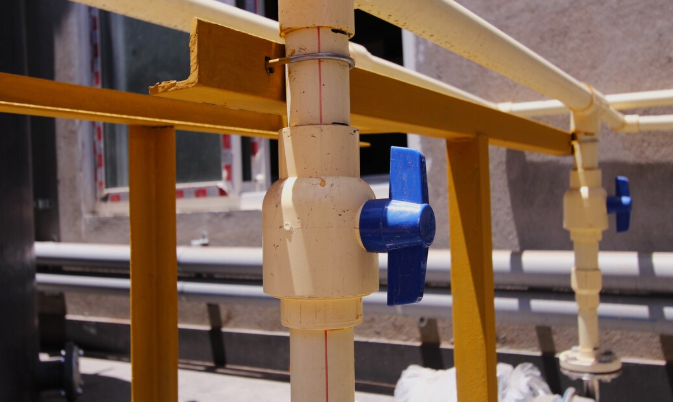
Of course, there is a purpose for the hedging. Most people don’t consider the history of PVC pipes when they are carrying them home from a hardware store. Even though they won’t explicitly state it in a tweet, the agency is aware that they have been used in homemade explosives. Therefore, even though plumbing supplies are not listed on the official list of prohibited items, the unofficial rule is in the officer’s mind when they scan your bag at five in the morning. It’s difficult to ignore how awkward the situation is. There is nothing illegal about a traveler carrying a rolled-up painting inside a PVC tube. Every day, posters are transported via airports in tubes. However, the math changes when an officer notices a sealed cylinder and a bag flags on the X-ray. Discussions become more lengthy. The bags are opened. Missed flights occur.
Experts in travel have begun to weigh in, and the general consensus appears to favor common sense over adhering to rules. The Sun was informed by Chris Harrington, owner of Hoppa, an airport transportation company, that seeing PVC pipes “may cause panic at the TSA line.” Like the agency, he advised checking the bag and avoiding the headache. It seems like this is one of those circumstances where being technically correct doesn’t get you very far.
The agency’s overall approach to these gray areas is intriguing. The TSA’s list of prohibited items is comprehensive, alphabetical, and includes everything from airbrush makeup machines to antlers. It seems worth noting that antlers are acceptable in both checked and carry-on luggage. However, pipes, which are innocuous on their own, receive a more gentle rejection. Theoretically, permitted. discouraged in real life. At the belt, it is open to interpretation.
For years, travelers have been exchanging tales about this on Reddit and Stack Exchange. One user asked, half-jokingly, if their luggage would be opened if they flew with twenty pieces of PVC pipe and connectors. The responses were useful. Avoid capping the ends. Avoid keeping electronics close at hand. Avoid making the work of the X-ray operator more difficult than necessary. The unwritten rule of airport security may be less complicated than the written one: if you appear unremarkable, you will be treated accordingly.
For the time being, following the agency’s own advice is the best course of action. Put the pipes in checked baggage, ask AskTSA on social media if you’re not sure, and acknowledge that some items are in a gray area where the answer depends more on who works the morning shift than on policy. It’s not fulfilling. However, it’s our system.