
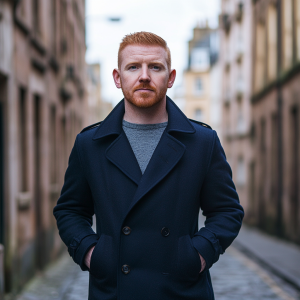

Aashna Doshi’s decision about leaving Google for an AI startup came into focus not at her desk in New York City, but through a microphone. The 23-year-old software engineer turned co-founder left Google in May to build Bounty, an outcome-based AI marketplace, after a podcast she launched while still employed there crossed 100,000 YouTube views within its first year.
How a Podcast Became a Business Plan
Doshi joined Google after graduating from Georgia Tech, having turned down an initial offer for a California-based role in February 2024 to hold out for a position in New York City. Two months later, she accepted a software engineering role there.
The work was technically demanding and, by her own account, rewarding. She was learning continuously and meeting people from diverse backgrounds. But the heavily technical nature of the job left her wanting something more interactive and creative.
In early 2025, still on Google‘s payroll, Doshi launched the ‘0 to 1’ podcast alongside co-host Rayan Dabbagh, also a Georgia Tech computer scientist who had become a software engineer at a major technology firm before co-founding Bounty with her, according to the show’s Apple Podcasts listing. The name carries a double meaning: a nod to their engineering backgrounds and the idea that the journey from zero to one, from where someone started to who they are today, holds as much value as any destination.
Early guests came through cold direct messages, personal networks, and close contacts. Over time the show attracted founders, engineers, executives, and creators. The audience grew faster than either host anticipated, and the show eventually drew leaders from companies including Amazon and Microsoft. A Spotify-listed episode from 11 July 2025, running 36 minutes, features Doshi and Dabbagh interviewing a Google vice-president on whether AI will replace software engineers, reflecting how the show’s subject matter had grown to mirror Doshi’s own professional choices, according to the episode listing on Spotify.
The podcast did more than build an audience. It gave Doshi a network she could not easily have assembled from inside a large technology company, where, as she put it, you are one piece of a very large machine. Cold outreach to senior executives became warm conversations. The contacts she made helped sharpen her conviction about what she wanted to build next.
The Decision Behind Leaving Google for an AI Startup
Bounty, the company Doshi and Dabbagh co-founded, operates as an outcome-based AI marketplace. Companies post specific tasks, such as sourcing candidates, running outreach, or generating leads, and pay only for verified results. Doshi has described the current moment in AI tooling as unlike anything builders have had access to before, and cited that window as part of her reasoning for moving when she did.
The financial trade-off is real. Doshi is drawing a founder’s salary, a fraction of her Google compensation. Bounty has not yet launched and is not generating revenue. The podcast, which served as the springboard, is also not yet producing income, though the pair are working towards sponsorship arrangements.
Leaving Google for an AI startup is a path an increasing number of engineers are considering, but the mechanics of Doshi’s departure are specific. The podcast gave her and Dabbagh a ready-made audience of founders and operators, precisely the users Bounty is built for. Distribution, in her view, is not a problem to solve after launch; it was the reason she felt confident enough to leave.
She has been direct about what she sees as the real risk in the situation: not the leap, but the alternative. Staying at Google while carrying an untested conviction about what she could build would have meant trading a potential upside for the comfort of a steady pay cheque. Financial security, in her framing, can function as a trap as easily as it functions as a foundation.
The company remains pre-launch. The question of whether Bounty’s outcome-based model finds traction in a crowded AI services market will be the first hard test of whether the window Doshi moved through was as open as it looked from the inside.