

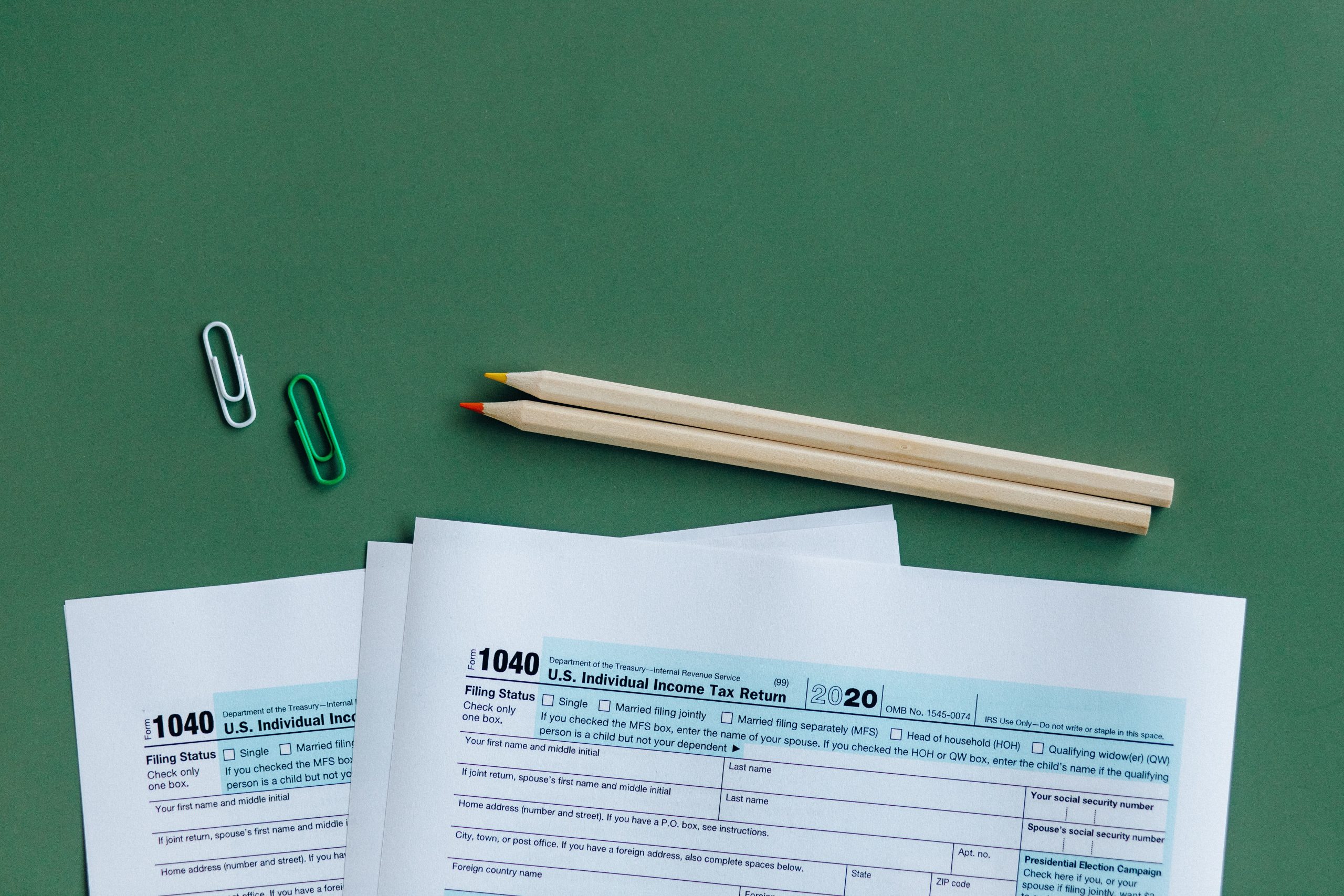
Most salaried employees treat their EPF account and income tax filing as completely separate. One builds quietly through monthly salary deductions, while the other appears once a year during tax season. What a lot of people don’t realise is that these two are more connected than they look, and ignoring that connection can lead to mismatched records, delayed refunds, or an unpleasant notice from the tax department months later.
Whether you’re withdrawing your EPF, transferring it between employers, or just tracking your EPFO claim status online out of habit, that same activity often needs to show up correctly on your ITR efiling for the year. Here are five points where the two genuinely overlap, and where a little attention now saves a lot of confusion later.
1. Taxability of EPF Withdrawals Before Five Years of Service
This is probably the most important linkage on this list, and also the one most people get wrong. If you withdraw your EPF balance before completing five years of continuous service, the withdrawal becomes taxable. Not the entire amount necessarily, but specific components of it, particularly the employer’s contribution and the interest earned on your own contribution.
- If your EPF withdrawal happens before five years and the amount crosses a certain threshold, TDS gets deducted at source before the money even reaches you.
- This TDS shows up in your Form 26AS, and it needs to be reflected correctly when you sit down for your ITR efiling.
- Many people see their EPFO claim status online marked as settled and overlook the tax implications until their return does not match official records.
If you’ve made an early withdrawal in a financial year, it’s worth pulling up both your EPF passbook and your Form 26AS before you start filing, rather than after.
2. Interest Earned on EPF Contributions Beyond the Exempt Limit
EPF interest used to be fully tax-exempt regardless of how much you contributed. That changed a few years ago. Now, interest earned on employee contributions above 2.5 lakh in a financial year is taxable, and this applies specifically to voluntary provident fund contributions that push your total EPF contribution past that limit.
This mainly affects people making higher voluntary EPF contributions. The interest earned on the portion above 2.5 lakh needs to be reported as income from other sources during ITR efiling. It’s a detail that’s easy to miss because the EPFO portal itself doesn’t flag it prominently. The responsibility to calculate and report this correctly sits entirely with the individual.
Also Read: How To Turn Your INVESTMENT From Zero To Hero
3. PF Transfer Status and Continuity of Service for Tax Purposes
When you switch jobs, your EPF account typically gets transferred rather than withdrawn, assuming you complete the transfer process correctly. This transfer, once completed, preserves your continuity of service, which is directly relevant to the five-year taxability rule mentioned earlier.
Here’s where it connects to your ITR efiling:
- If your EPF transfer between employers is still pending or hasn’t been properly linked, and you later withdraw the full amount, the tax department may calculate your service period incorrectly, potentially treating your withdrawal as premature even if your combined service across employers actually crosses five years.
- Checking your EPFO claim status online regularly during a job transition helps confirm the transfer has actually gone through, rather than assuming it’s automatic.
- An unresolved transfer can create discrepancies that are much harder to resolve after filing.
Also Read: Best Retirement Investments for a Secure Future
4. Advance EPF Withdrawals and Their Treatment in Annual Income Reporting
Partial or advance withdrawals from EPF, for reasons like medical treatment, home purchase, or education, come with their own set of tax rules depending on the reason and the timing relative to your years of service.
Some withdrawals are fully exempt regardless of service duration, such as those for specific medical emergencies. Others follow the standard five-year rule. When you’re checking your EPFO claim status online and see a partial withdrawal marked as processed, it’s worth noting the exact reason code and date, since this information determines how it needs to be treated when you get to your ITR efiling. Employers don’t always capture this nuance correctly in Form 16, which means the responsibility to report it accurately often falls on the individual, particularly for withdrawals not fully captured through standard payroll TDS.
5. Matching EPF Contribution Records with Form 26AS and AIS
Your Annual Information Statement and Form 26AS increasingly capture more financial data than they used to, including certain EPF-related transactions. Before you finalise your ITR efiling, it’s worth cross-checking these documents against your own EPF passbook and any withdrawal or transfer activity for the year.
- Discrepancies between what your employer has reported and what actually shows in your EPF account can trigger automated mismatches once you file.
- If you’ve recently checked your EPFO claim status online and confirmed a withdrawal or transfer, keep that confirmation and the corresponding dates handy while filing, in case you need to explain any variance later.
- These mismatches don’t always mean something has gone wrong. Sometimes it’s simply a timing difference between when a transaction was processed and when it got reported. But catching it before filing is far easier than responding to a notice after.
Keeping the Two in Sync
None of this requires constant monitoring throughout the year. A reasonable habit is to check your EPFO claim status online whenever you know a transaction, a withdrawal, a transfer, or a partial claim, has been initiated, and keep a record of the dates and amounts involved. Reviewing it with your Form 26AS and AIS during ITR efiling helps avoid unnecessary mismatches and notices.
The EPF account and the income tax return aren’t really two separate systems. They’re two views into the same financial activity, and treating them that way, rather than as unrelated annual chores, is what actually keeps your tax filing clean and your retirement savings properly accounted for.