

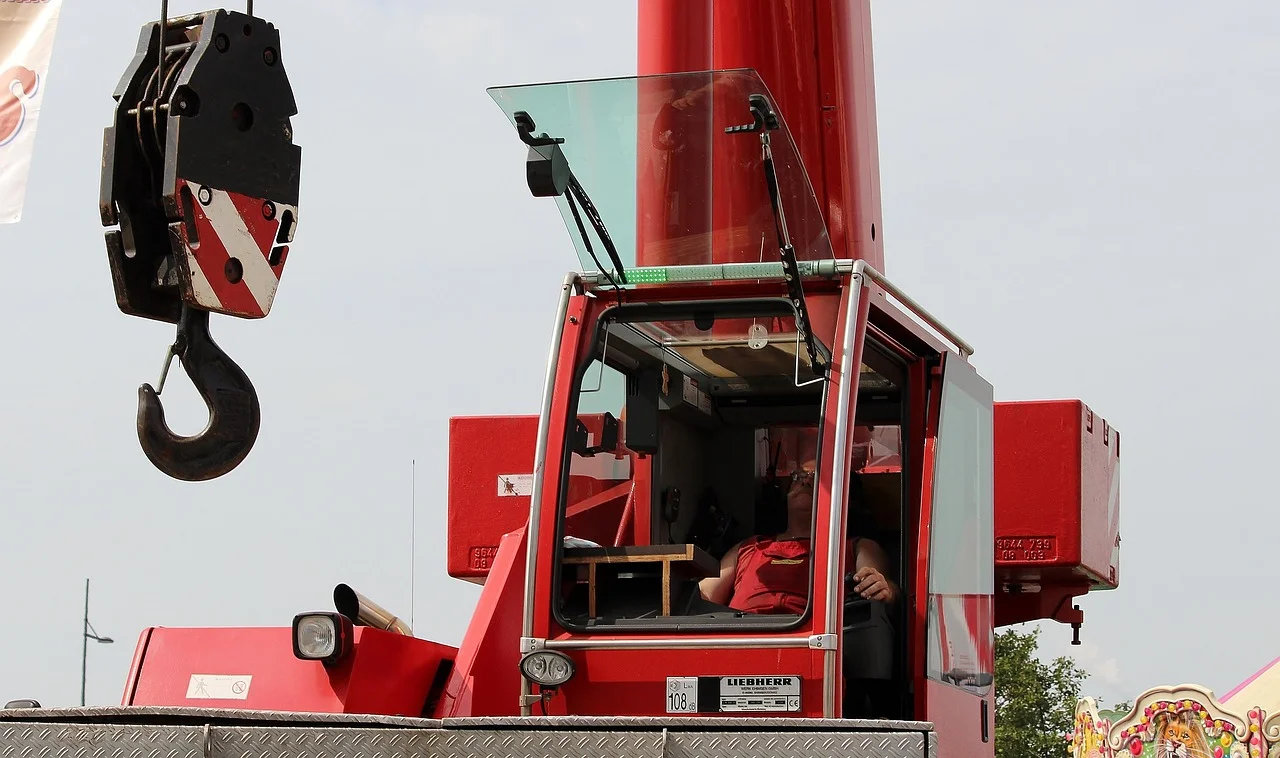
Most people walk past construction sites without giving much thought to the moving parts behind them. You might notice the fencing, the noise, the machinery, or the workers in hi-vis, but the planning that keeps a job moving safely is usually hidden in plain sight. Every beam that needs lifting, every heavy component that has to be shifted, and every awkward access point on a site creates a problem that has to be solved long before anything dramatic happens in the air.
That’s where specialist equipment and experienced crews become so important. Companies like Sventek Cranes are part of the behind-the-scenes machinery of construction, helping projects handle the sort of heavy lifting that can’t be left to guesswork, shortcuts or a “we’ll figure it out on the day” attitude.
Lifting Is Only One Part Of The Job
From the outside, crane work can look fairly straightforward. Something heavy needs to move from one place to another, the crane lifts it, and the job is done. In reality, that’s just the visible part of a much bigger process. Before a lift happens, teams need to consider the weight of the load, the distance it has to travel, the ground conditions, nearby buildings, overhead hazards, weather, timing, access and site traffic.
A good lift plan turns all of those variables into something controlled. It means the right crane is selected, the crew understands the job, and everyone on site knows what needs to happen. When it’s done well, the whole operation can look almost uneventful, which is exactly the point. The best construction work often looks simple because so much thinking has already gone into it.
Why Small Delays Can Become Big Problems
On a busy site, one delayed lift can affect far more than the task itself. Materials may arrive at a specific time because there’s nowhere to store them. Trades might be scheduled around when a structure is installed. Road closures, permits, traffic management and weather windows can all create tight timeframes that don’t leave much room for muddling through.
That’s why reliable crane support can make such a difference to the rhythm of a project. When heavy lifting is organised properly, other parts of the job can keep moving. When it isn’t, the flow can break down quickly, and suddenly a minor issue becomes a queue of people waiting to do their part.
The Skill You Don’t Always See
There’s a lot of judgement involved in crane work. Operators need technical knowledge, calm decision-making and a strong feel for the machine they’re using. Doggers, riggers, supervisors and site managers all play their part too, because a safe lift depends on clear communication and trust between people who may be working under pressure.
It’s easy to focus on the size of the equipment, but the human side is just as important. Machines do the lifting, but people make the decisions that keep the work safe, efficient and predictable.
Building Depends On The Unseen Details
Every finished building, bridge, warehouse or commercial fit-out has a long list of practical decisions behind it, many of which the public never sees. Crane work is one of those essential details that can quietly shape how smoothly a project runs.
So the next time you pass a construction site and see a crane moving steel, concrete or equipment into place, it’s worth remembering that you’re only watching a few minutes of action from a much longer story. The lift might be the impressive part, but the real value is in the planning that made it look easy.