

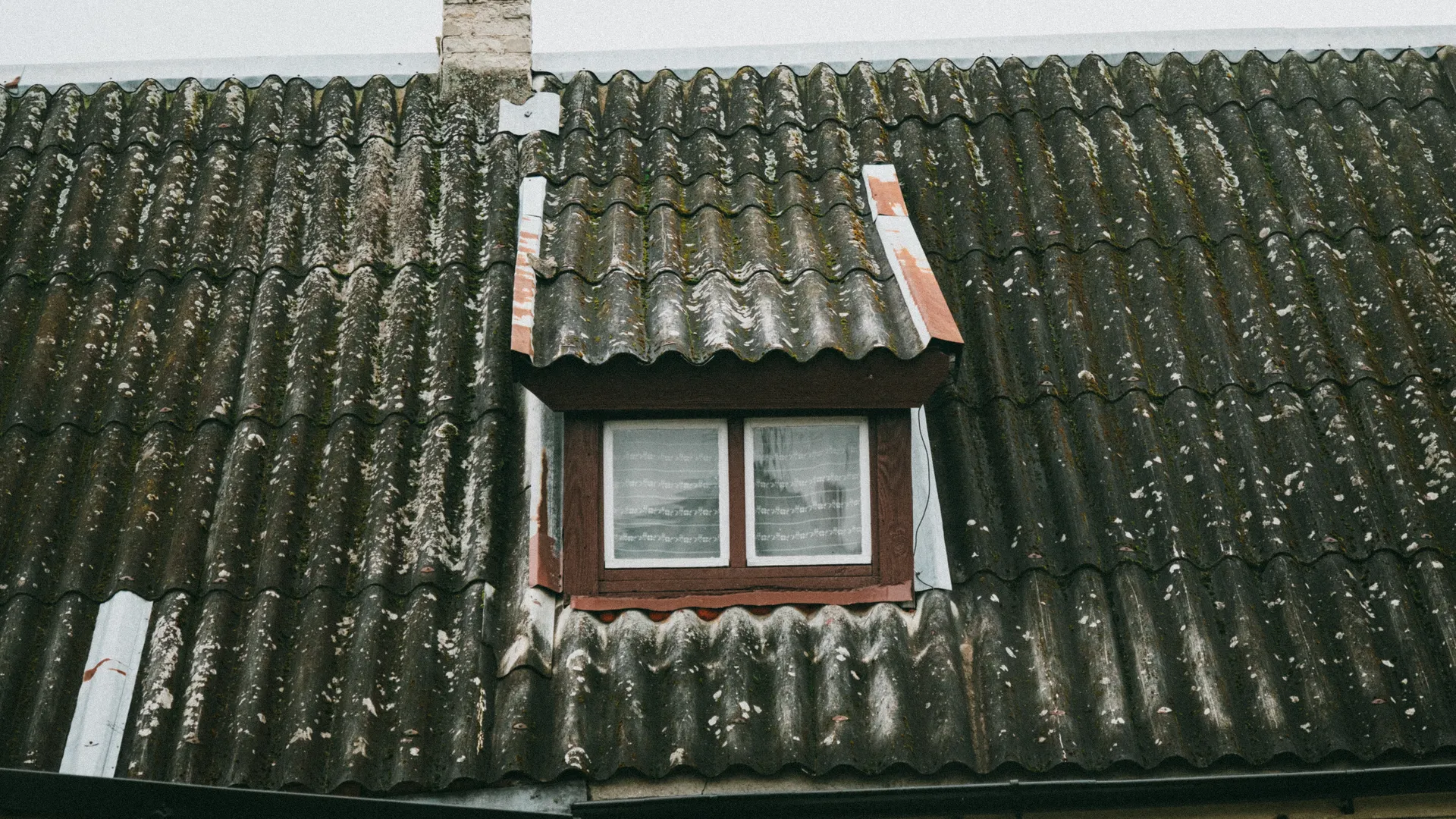
Many homes throughout Cleveland were built
long before modern building materials became the standard. While these older
homes often have unique architectural character and solid craftsmanship, they
may also contain materials that were once considered safe but are now known to
pose health risks. If your home was built before the 1980s, professional asbestos testing can provide
valuable information before you begin any remodeling, renovation, or demolition
project. Understanding where asbestos may be found, why it can be hazardous,
and how it should be handled helps homeowners protect both their families and
their investment.
One of the biggest misconceptions about
asbestos is that every older home is dangerous. In reality, asbestos-containing
materials are not always a health hazard when they remain intact and
undisturbed. Problems typically arise when renovation work, water damage,
aging, or deterioration causes asbestos fibers to become airborne. That’s why
knowing when testing is appropriate is far more important than making
assumptions based solely on a home’s age.
Why Asbestos Was Commonly Used in Older
Homes
For decades, asbestos was considered one
of the most effective construction materials available. Builders valued it
because it was durable, resistant to heat, inexpensive, and provided excellent
insulation.
Throughout much of the twentieth century,
asbestos was incorporated into thousands of residential construction products
across the United States. Many homes built in Cleveland between the 1940s and
late 1970s still contain some of these original materials today.
At the time, few people understood the
long-term health risks associated with airborne asbestos fibers. As research
advanced, regulations gradually reduced and eventually prohibited many of its
residential uses.
As a result, older homes are more likely
than newer properties to contain asbestos-containing materials.
Does Every Older Home Contain Asbestos?
The simple answer is no.
The age of a home alone does not confirm
the presence of asbestos. Two houses built during the same year may contain
completely different construction materials depending on the builder,
manufacturer, remodeling history, and previous repairs.
Some homes contain asbestos in only one
location, while others may have multiple materials that include asbestos
fibers.
The only reliable way to determine whether
asbestos is present is through laboratory analysis performed on properly
collected samples.
Visual inspections alone cannot confirm or
rule out asbestos.
Where Asbestos Is Commonly Found
Many homeowners are surprised by the
number of building products that historically contained asbestos.
Common locations include:
- Vinyl floor tiles
- Sheet flooring adhesive
- Pipe insulation
- Boiler insulation
- Heating duct insulation
- Ceiling texture
- Popcorn ceilings
- Cement siding
- Roofing shingles
- Roofing felt
- Joint compound
- Drywall finishing materials
- Attic insulation
- HVAC components
Not every material found in these
locations contains asbestos, but many products manufactured before the early
1980s may include asbestos fibers.
Because these materials often resemble
modern alternatives, professional identification is important.
Why Asbestos Becomes Dangerous
Asbestos is most hazardous when tiny
fibers become airborne and are inhaled.
When asbestos-containing materials remain
in good condition and are left undisturbed, they generally present a much lower
risk. Problems occur when those materials are cut, sanded, drilled, broken, or
deteriorate over time.
Renovation projects are one of the most
common situations where asbestos exposure occurs. Removing old flooring,
tearing out drywall, replacing insulation, or demolishing walls can release
microscopic fibers into the air if asbestos is present.
Because these fibers cannot be seen
without specialized equipment, homeowners may not realize they have been
exposed.
This is why testing should always be
considered before disturbing older building materials.
Remodeling an Older Home? Test Before You
Start
Many Cleveland homeowners purchase older
properties with plans to renovate kitchens, bathrooms, basements, or entire
living spaces.
Before beginning demolition, it is
important to determine whether asbestos-containing materials are present.
Skipping this step can create unnecessary
health risks, delay construction, and increase project costs if asbestos is
discovered after work has already begun.
Professional testing allows contractors to
develop an appropriate plan before demolition starts, reducing unexpected
surprises during the renovation.
Planning ahead is almost always less
expensive than dealing with contamination after materials have been disturbed.
Water Damage Can Increase the Risk
Water damage often complicates asbestos
situations in older homes.
When pipes burst, roofs leak, or basements
flood, moisture can weaken aging building materials that may already contain
asbestos. Restoration work frequently requires removing damaged drywall,
flooring, insulation, or ceiling materials.
Before those materials are removed,
testing may be recommended if the home’s age suggests asbestos could be
present.
This is one reason restoration companies
often coordinate asbestos inspections before beginning large-scale demolition
in older properties.
Addressing potential asbestos concerns
early helps keep restoration projects on schedule while protecting workers and
occupants.
Signs That Your Home May Need Asbestos
Testing
While asbestos cannot be identified by
appearance alone, certain situations make testing a smart precaution.
You should consider testing if:
- Your home was built before the 1980s.
- You’re planning major renovations.
- Water damage has affected older
construction materials. - Flooring or insulation appears
original. - Popcorn ceilings are present.
- Pipe insulation looks aged or
damaged. - You are unsure whether previous
remodeling removed asbestos-containing materials.
Testing provides certainty and allows
informed decisions before construction begins.
What Happens During Professional Asbestos
Testing?
Many homeowners assume asbestos testing is
a complicated process, but it is generally straightforward.
A trained inspector begins by identifying
materials that may contain asbestos based on the home’s age and construction
methods.
Small samples are carefully collected
using procedures designed to minimize disturbance. Those samples are then
submitted to an accredited laboratory, where they are analyzed under
specialized equipment to determine whether asbestos fibers are present.
Once testing is complete, homeowners
receive a report explaining the findings and, if necessary, recommendations for
the next steps.
This information helps guide renovation,
restoration, or demolition decisions.
What If Asbestos Is Found?
Finding asbestos does not automatically
mean it must be removed immediately.
If asbestos-containing materials remain
intact, undamaged, and unlikely to be disturbed, they may simply be monitored
or professionally encapsulated.
Removal is generally recommended when
materials are deteriorating, have been damaged, or will be affected by
remodeling or restoration work.
The appropriate solution depends on the
condition, location, and intended future use of the area.
Professional recommendations are based on
minimizing potential exposure rather than removing materials unnecessarily.
Why DIY Asbestos Removal Is Never
Recommended
Attempting to remove suspected asbestos
without proper training can create serious health risks.
Cutting, sanding, scraping, or breaking
asbestos-containing materials may release microscopic fibers throughout the
home. Once airborne, these fibers can remain suspended for extended periods and
spread through HVAC systems.
Household vacuums and standard dust masks
are not designed to safely handle asbestos contamination.
Professional abatement companies follow
strict containment procedures, use specialized protective equipment, and
dispose of asbestos-containing materials according to applicable regulations.
For homeowners, avoiding unnecessary
disturbance is always the safest approach until materials have been properly
evaluated.
Why Older Cleveland Homes Deserve Special
Attention
Cleveland has one of the nation’s largest
collections of historic residential neighborhoods, many featuring homes built
decades before asbestos regulations changed.
These beautiful older properties often
contain original construction materials that have remained untouched for
generations.
While this historical character adds charm
and value, it also increases the importance of careful planning before
renovations or restoration work begins.
Whether you’re updating a century-old home
in Ohio City, restoring a Colonial in Shaker Heights, or renovating a bungalow
on Cleveland’s west side, understanding potential asbestos risks helps protect
everyone involved in the project.
Working With Restoration Contractors
If your home experiences water, fire, or
storm damage, restoration work may require opening walls, removing insulation,
or replacing flooring.
Experienced restoration companies
understand that older homes sometimes require asbestos testing before
demolition begins. Coordinating testing early allows restoration work to
proceed safely while avoiding unnecessary project delays.
Choosing contractors who are familiar with
older homes and understand the importance of asbestos regulations helps ensure
the project is completed efficiently and responsibly.
Protecting Your Investment
Owning an older home comes with unique
responsibilities, but it also offers opportunities to preserve a valuable piece
of Cleveland’s history.
Scheduling inspections before renovations,
addressing water damage promptly, and following proper testing procedures can
prevent unexpected complications during future projects.
Proactive planning protects both your
investment and the long-term safety of your home.
Conclusion
Older Cleveland homes often combine
timeless craftsmanship with building materials that reflect the construction
practices of earlier decades. While asbestos is not automatically a cause for
alarm, it should never be ignored when renovation, restoration, or demolition
work is planned. Because asbestos cannot be identified through visual
inspection alone, testing provides the information homeowners need to make
safe, informed decisions.
Whether you’re remodeling a historic home,
recovering from water damage, or simply planning future improvements, taking
the time to understand potential asbestos risks is a smart investment. By
working with qualified professionals and addressing concerns before
construction begins, homeowners can preserve the character of their property
while protecting the health and safety of everyone inside.