

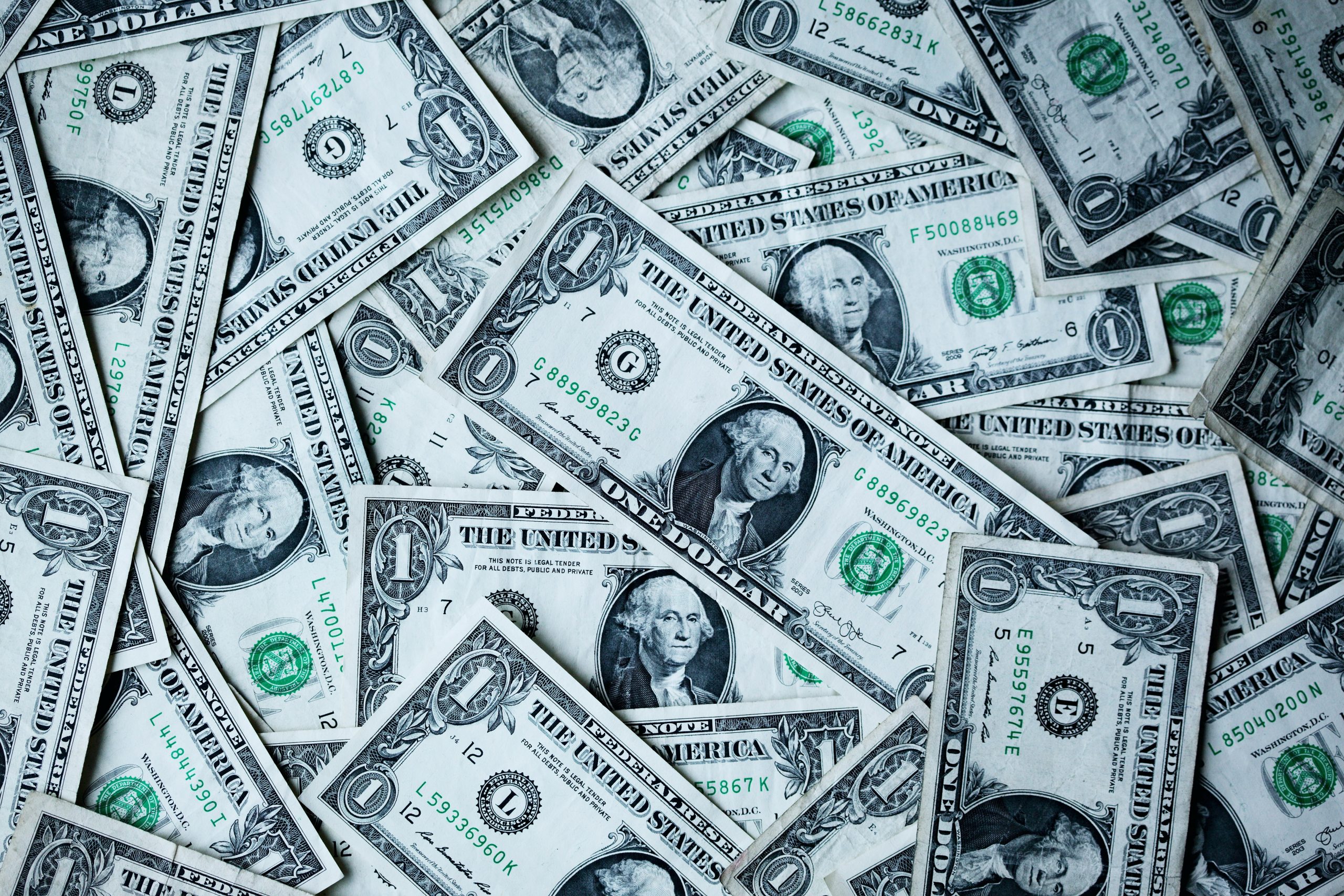
Most people who find an unusual old dollar bill assume it is just worn-out cash. Sometimes it is. But if the bill carries a blue seal and the words “Silver Certificate” across the top, it belongs to a retired class of American paper money that some collectors will pay well above face value to own. Knowing how to spot one, and what actually makes it worth more than a dollar, takes only a minute.
Silver certificates were issued by the United States for nearly a century, from 1878 until the early 1960s. For most of that time they were a promise: the holder could exchange the note for its value in silver. That right was eventually withdrawn in the late 1960s, so a silver certificate today cannot be redeemed for metal. What remains is its value as a collectible, and that varies enormously depending on the specific note.
How to recognise one
The quickest tell is the seal. Silver certificates carry a blue Treasury seal and blue serial numbers, which sets them apart from the green seals on the Federal Reserve notes in circulation now. The note will also state “Silver Certificate” plainly, usually along the top edge. Most that turn up are one-dollar notes, though larger denominations exist.
The reality: most are common, some are not
Here is the part the viral “old money worth a fortune” posts tend to skip. The most frequently found silver certificates, the one-dollar notes from the 1935 and 1957 series, were printed in enormous quantities. In well-worn condition they are worth a small premium over face value, often a dollar or two more, rather than a windfall. Their value comes from collector interest and age, not rarity.
The notes that command real money are the exceptions, and they tend to share specific traits:
Older and large-size notes from the late nineteenth and early twentieth centuries are scarcer and more sought after, especially in clean condition.
Wartime emergency issues stand out. During the Second World War, the United States overprinted some notes for use in Hawaii and North Africa, giving them distinctive seals so they could be demonetised if captured. Those varieties draw strong collector interest.
Star notes, identifiable by a star symbol in the serial number, were replacements for misprinted notes and were produced in smaller numbers.
Fancy serial numbers, such as very low numbers, repeating digits, or ladder sequences, add a premium of their own.
Condition then magnifies all of it. A crisp, uncirculated note of a desirable series can be worth many times a soft, well-handled example of the same bill.
How to check yours
Work through it methodically. Confirm the blue seal and the “Silver Certificate” wording, note the series year printed on the face, scan the serial number for a star or an unusual pattern, and judge the condition honestly. Sharp corners and no folds matter more than people expect.
Rather than guess from a headline, it helps to match a note against a proper reference. There are guides that lay out silver certificate value by series, type, and condition, which is the fastest way to see roughly where a specific note lands instead of assuming it is either worthless or a jackpot.
Worth the minute
The appeal of this is not the dream of a rare find, which is uncommon and depends on a precise combination of series, condition, and serial number. The appeal is that checking costs nothing and carries no downside, because the note is always worth at least its face value. You are simply looking more carefully at money that might otherwise get spent without a second thought.
So if a blue-sealed dollar turns up in a drawer or an inherited box of papers, take a moment before setting it aside. Check the seal, the series, the serial number, and the condition, then compare it against a real guide. Most silver certificates are worth a little more than a dollar. A few are worth a great deal more, and the only way to know which you are holding is to look.