

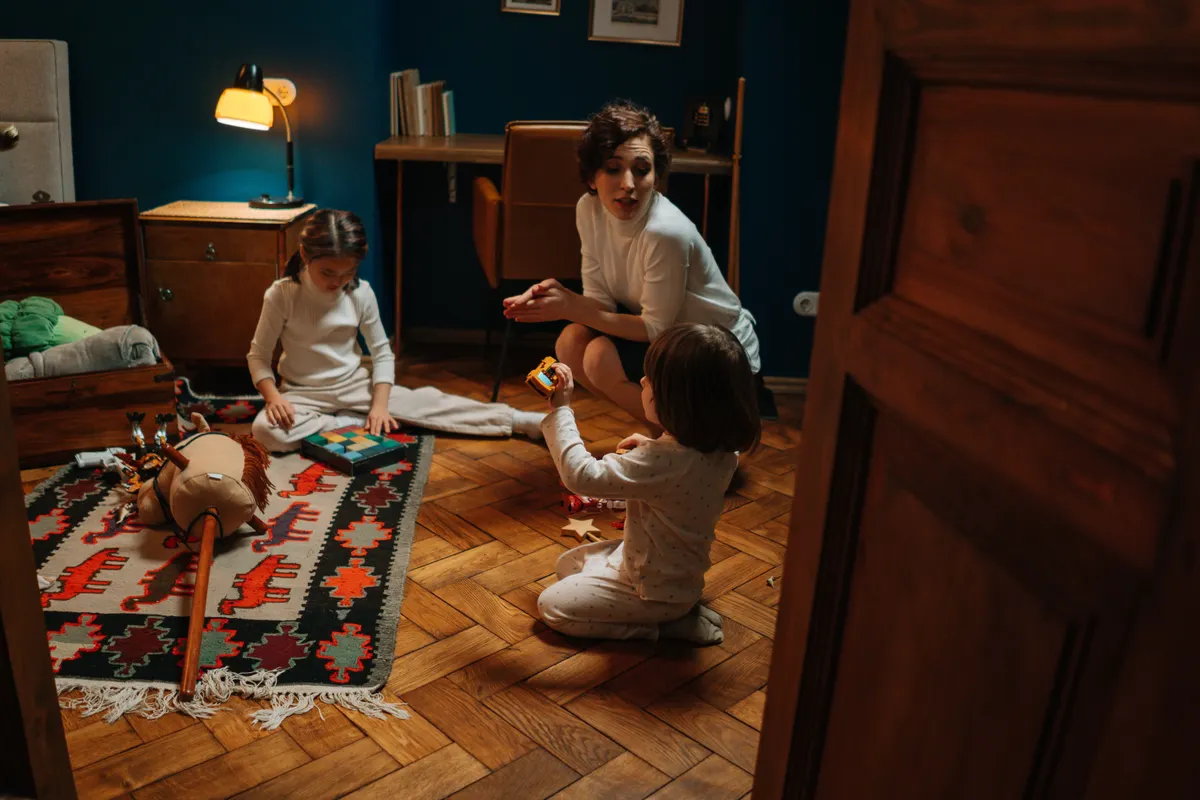
Teen babysitter childcare costs can run well under $15 an hour, and for one self-employed mother juggling two working parents’ schedules, that gap versus formal care has made neighbourhood teenagers the backbone of her family’s childcare roster.
Writing in Business Insider, Jenn Wint describes a system she has assembled through referrals from friends, conversations with local teachers, and approaching teenagers directly on the street. ‘I joke that most of the neighborhood’s teenagers are on my payroll,’ she writes, ‘but it’s almost true.’
Teen Babysitter Childcare Costs Versus the Market Rate
The numbers make a compelling case for the approach. The median hourly wage for childcare workers was $15.41 in May 2024, according to the U.S. Bureau of Labor Statistics Occupational Outlook Handbook. Wint pays her teen helpers less than that for every hour worked.
The annual picture is sharper still. The national average price of centre-based childcare in 2024 was $13,128 per child, calculated across 49 states and Washington, DC, according to Child Care Aware of America’s 2024 Price and Supply report. Infant care in centres averages approximately $16,000 per year, a figure that exceeds in-state public college tuition in many states.
Against that backdrop, the flexibility on offer from teenage babysitters becomes as valuable as the cost saving. One teen walks Wint’s children home from school twice a week, the schedule agreed by text on Sunday evenings. At 4.30pm she delivers the children to the door and walks herself home. Another older teenager entertains the children on snow days, early dismissals, or when a late meeting runs over, all while Wint remains in the house to handle any meals or emergencies.
The Tax Picture Parents Should Not Overlook
Hiring teenagers informally carries a real financial advantage, but parents should understand where the tax rules begin. The 2026 nanny tax threshold, the point at which cash wages paid to a single household employee trigger Social Security and Medicare obligations for both employer and employee, is $3,000, up from $2,800 in 2025. According to GTM, citing the Social Security Administration, this is the seventh consecutive annual increase to the threshold.
A separate federal unemployment tax also applies. If a household employee receives $1,000 or more in cash wages in any single calendar quarter, the employer owes federal unemployment tax on the first $7,000 of that worker’s annual wages, according to Instead, citing IRS Publication 926.
For many parents using teenagers for a few hours a week, total annual payments will stay below those thresholds. Wint’s arrangements, at less than $15 an hour for 90-minute shifts a couple of times a week, are structured precisely to remain modest and mutual: ‘reliable weekly pocket money’ for the teenager, no agency overhead for the family.
There is also a legal baseline to know. Under the Fair Labor Standards Act, children under 14 may not work in most covered occupations, but ‘casual baby-sitting’ and minor chores in private homes fall outside the Act’s scope, according to the U.S. Department of Labor. That means parents can legally hire responsible 12- or 13-year-olds for light supervision duties, provided they are confident in the individual teenager’s maturity for the task at hand.
Wint is clear that the level of responsibility shapes the arrangement. Entertaining children while a parent works from home requires a different level of trust and experience than managing bedtimes alone. She adjusts pay, expectations, and hours accordingly, and welcomes teenagers who are upfront about their availability, including one who took a full week off to celebrate her birthday.
The less tangible returns are harder to price. Wint describes watching her children form genuine bonds with their teenage helpers: people old enough to command respect, young enough to get into the paint and Play-Doh without prompting. When the family runs into a babysitter in the neighbourhood, her children run over. She frames the whole arrangement not just as childcare, but as community-building: assembling a village from the teenagers already living on the street.
With centre-based care averaging more than $13,000 per child per year and the formal nanny tax threshold rising again in 2026, the arithmetic for parents who can make informal teen babysitter childcare costs work in their favour will only get more persuasive.