
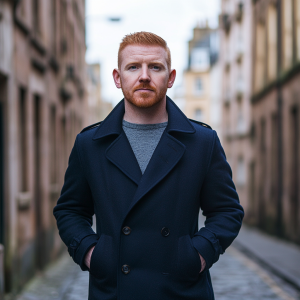
H-1B visa uncertainty has become severe enough that Mohamed Zeeshan, an Indian national who self-petitioned for a US green card in 2021, says he would not attempt to build a life in America through that route if he were starting over today.
Zeeshan, 32, arrived in the US in 2016 to study international affairs at Columbia University. After graduating in 2018, he felt that employers were unwilling to sponsor international students, and instead of pursuing the standard OPT-to-H-1B pathway, he left for a management consulting role in the Middle East.
He returned not on an H-1B but via the EB-1A self-petition route, securing his green card in 2023 after submitting evidence that his research and public-interest work served the national interest. He and his wife now rent an apartment in Arlington, Virginia.
H-1B Visa Uncertainty Has Worsened Since 2016
Zeeshan’s concern about the H-1B pathway predates the current administration’s moves. Even before 2016, he found the visa’s structure precarious: the authorisation is tied to a single employer, and losing that job can trigger an obligation to leave the country. ‘You’re always on edge,’ he said.
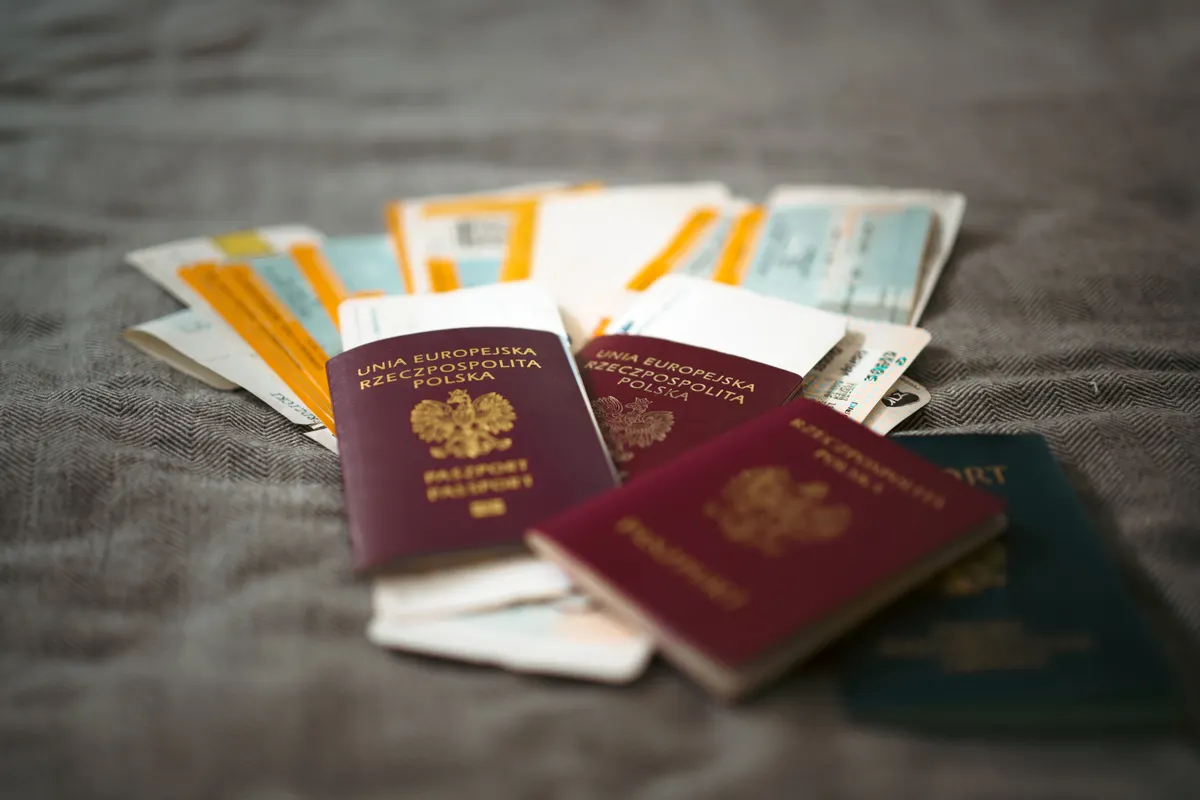
The past year has layered additional complications on top of that structural fragility. President Trump issued a Presidential Proclamation on 19 September 2025, imposing a $100,000 fee on new H-1B petitions approved for consular processing, applicable from 21 September 2025. The scale of the fee drew immediate legal challenges from major employers: The Guardian reports that Amazon alone had more than 10,000 H-1B visas approved in the first half of 2025, with Microsoft and Meta each exceeding 5,000.
A coalition of 20 state attorneys general, led by California Attorney General Rob Bonta, filed suit in December 2025 in the US District Court for the District of Massachusetts, in the case California et al. v. Trump et al. On 8 June 2026, US District Court Judge Leo T. Sorokin struck down the fee nationwide, ruling it amounted to a tax and therefore required congressional authorisation rather than executive action alone. Days later, however, the same court paused its own ruling, allowing US Citizenship and Immigration Services to continue collecting the fee while the government’s appeal proceeds, according to Vorys.
A parallel legal fight is unfolding in Washington. The US Chamber of Commerce and the Association of American Universities brought a separate challenge in the District of Columbia; a district court upheld the fee in December 2025, and the US Court of Appeals for the D.C. Circuit heard oral arguments on 9 March 2026, Forbes reports. The fee’s legal status remains unresolved in both circuits.
Alternative Paths Are Narrowing Too
Zeeshan advises people aware of these pressures to explore alternatives such as the EB-1A visa for individuals with extraordinary ability in their field, the very route he used. The data suggest that path is also tightening.
USCIS adjudication figures cited by Manifest Law show the EB-1A approval rate for the full fiscal year 2025 was approximately 66.9% (12,468 approvals from 18,633 adjudicated petitions). By the fourth quarter of fiscal year 2025, the rate had fallen further to approximately 53.4% (2,331 approvals from 4,364 adjudicated). Multiple figures for prior fiscal years circulate across sources and vary considerably; the FY2025 figures from Manifest Law and Greenberg Traurig are the most recent and directionally consistent with each other.
The EB-2 National Interest Waiver, another self-petition route often used by researchers and people in fields of national importance, has seen an even steeper decline. Immigration attorneys at Greenberg Traurig report, citing USCIS data through the fourth quarter of fiscal year 2025, that the EB-2 NIW approval rate fell from approximately 96% in fiscal year 2022 to 55.2% for the full fiscal year 2025, with Q4 FY2025 dropping to 35.7%.
For Zeeshan, the pull of the United States was never primarily economic. He earned more and paid no income tax when working in Dubai. What drew him was the freedom to write and speak on contested issues, including critiques of Indian policymaking that he says generated hostility at home. He started his own consulting firm in 2025, citing what he sees as a less bureaucratic environment for entrepreneurs.
Yet he is holding off on starting a family while his wife awaits her own green card, reluctant to add dependants to an uncertain situation. Friends and relatives, he notes, are increasingly looking at Germany and Australia as alternatives. He intends to naturalise and become a US citizen, he says, unless rule changes make that difficult too. Whether the $100,000 fee survives appellate review in either circuit will be one of the clearest signals of which direction the H-1B pathway is heading.