

The US stock market rally that defined the first half of 2026 is closing the books on one of the strongest six-month stretches in recent memory, driven by a preliminary peace deal with Iran, a semiconductor surge, and an earnings season that beat expectations by a wide margin.
The Dow Jones Industrial Average is on track to post an 8% gain for the first half, which would mark its best first-half performance since 2021. The Nasdaq 100 is heading for an 18% quarterly rise, its strongest three-month stretch since the pandemic. The S&P 500 is also poised for an 8% first-half gain.
The standout performer, however, is the small-cap Russell 2000, on course for a 21% first-half advance, its best since 1991. According to MarketWatch, the Russell 2000 outpaced the S&P 500 by more than 12 percentage points in the first half, its strongest relative showing against the large-cap benchmark since 2001.
Peace Talks and the Strait of Hormuz
The US-Iran war dominated market anxiety throughout the first quarter. Major indexes fell around 10% by late March after hostilities broke out and the Strait of Hormuz was closed to commercial shipping.
‘Having got off to a poor start to 2026, which saw markets hit their lows of the year, after the break-out of hostilities in the Middle East and the closure of the Straits of Hormuz, we’ve seen a complete reversal,’ Michael Hewson, a senior market analyst at iForex Europe, wrote in a note on Tuesday.
A preliminary peace deal struck this month gave investors the catalyst they had been waiting for. The US and Iran subsequently agreed to halt strikes and allow commercial vessels to pass through the Strait safely, with both sides committing to continue technical talks toward a final agreement, according to a US official who spoke to CNBC. Oil price uncertainty remains a concern, and markets are watching closely to see whether a formal accord holds.
The US Stock Market Rally Is Built on Chips, Not the Magnificent Seven
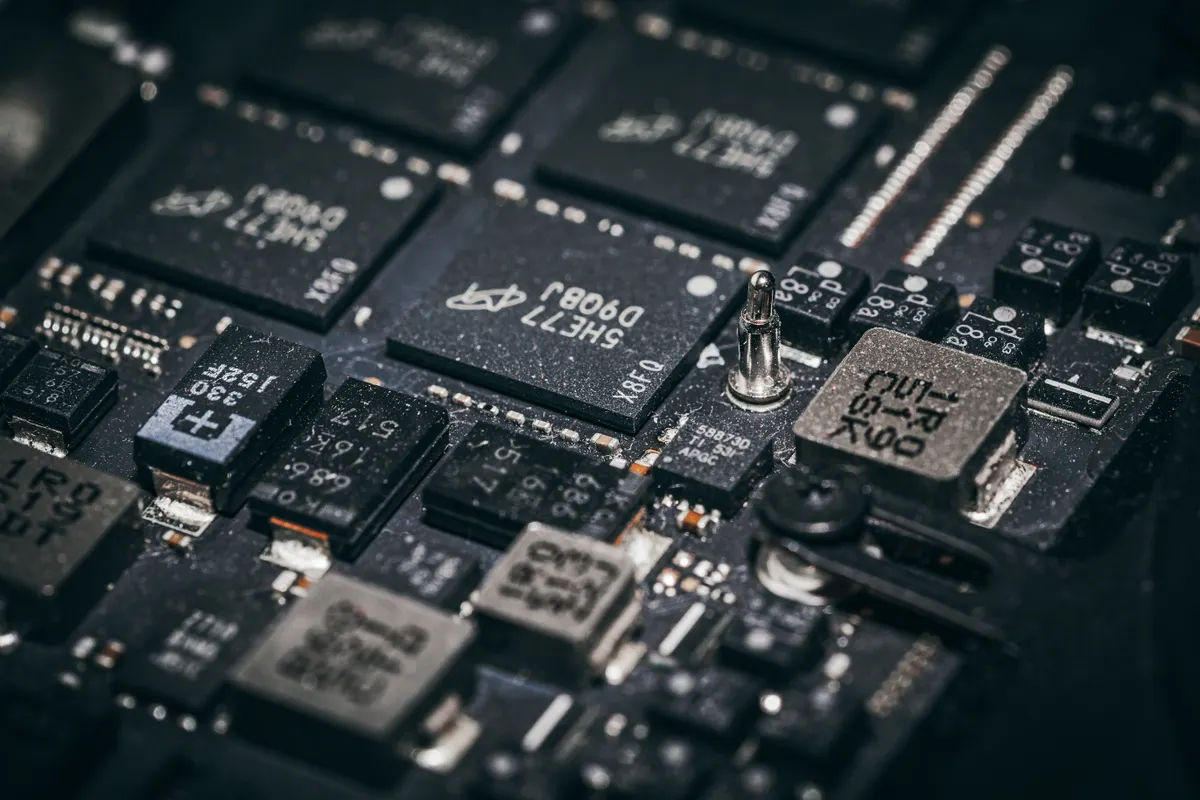
The semiconductor sector has been the engine of the US stock market rally, with the Philadelphia Semiconductor Index on track for an 80% gain since the end of March. MarketWatch reports the index is headed for its best quarter on record.
The beneficiaries have been chip and memory hardware companies rather than the big-name technology platforms. CNBC reports that semiconductor and semiconductor equipment companies were the biggest winners among small-cap stocks, with the rally underpinned by AI infrastructure spending spreading beyond the largest technology companies to a broader network of suppliers.
That shift is visible in the underperformance of the market’s most celebrated names. The Roundhill Magnificent Seven ETF is down roughly 4% year-to-date, as investors rotate away from the mega-cap software and platform companies that previously led every rally.
‘The turnaround in sentiment has been quite something to behold,’ Hewson added. ‘As you would expect the rebound has been driven primarily by tech names, however contrary to popular belief it’s not been driven by the ones you might think.’
Several chip companies also received financial support from the Trump administration, which provided billions to technology firms and added key players, including Intel, to its investment portfolio.
Earnings Provide the Third Leg
The third pillar of the rally has been corporate earnings. As of early June, around 85% of S&P 500 companies beat earnings estimates, the highest share for the second quarter in five years, according to FactSet. The data provider’s Q2 2026 earnings preview also notes that the estimated year-over-year earnings growth rate for Q2 2026 was revised upward relative to the start of the second quarter, driven by positive earnings per share guidance and analyst upgrades.
For the current quarter, earnings are expected to grow by 23% year over year. Analysts tracked by FactSet project a 21% price increase in the S&P 500 over the next 12 months, with every sector of the benchmark index expected to gain at least 10%.
The breadth of those forecasts, combined with a semiconductor cycle still running at full tilt, means the next pivot point for the market will likely be whether the Iran peace process survives its transition from preliminary deal to binding accord.