


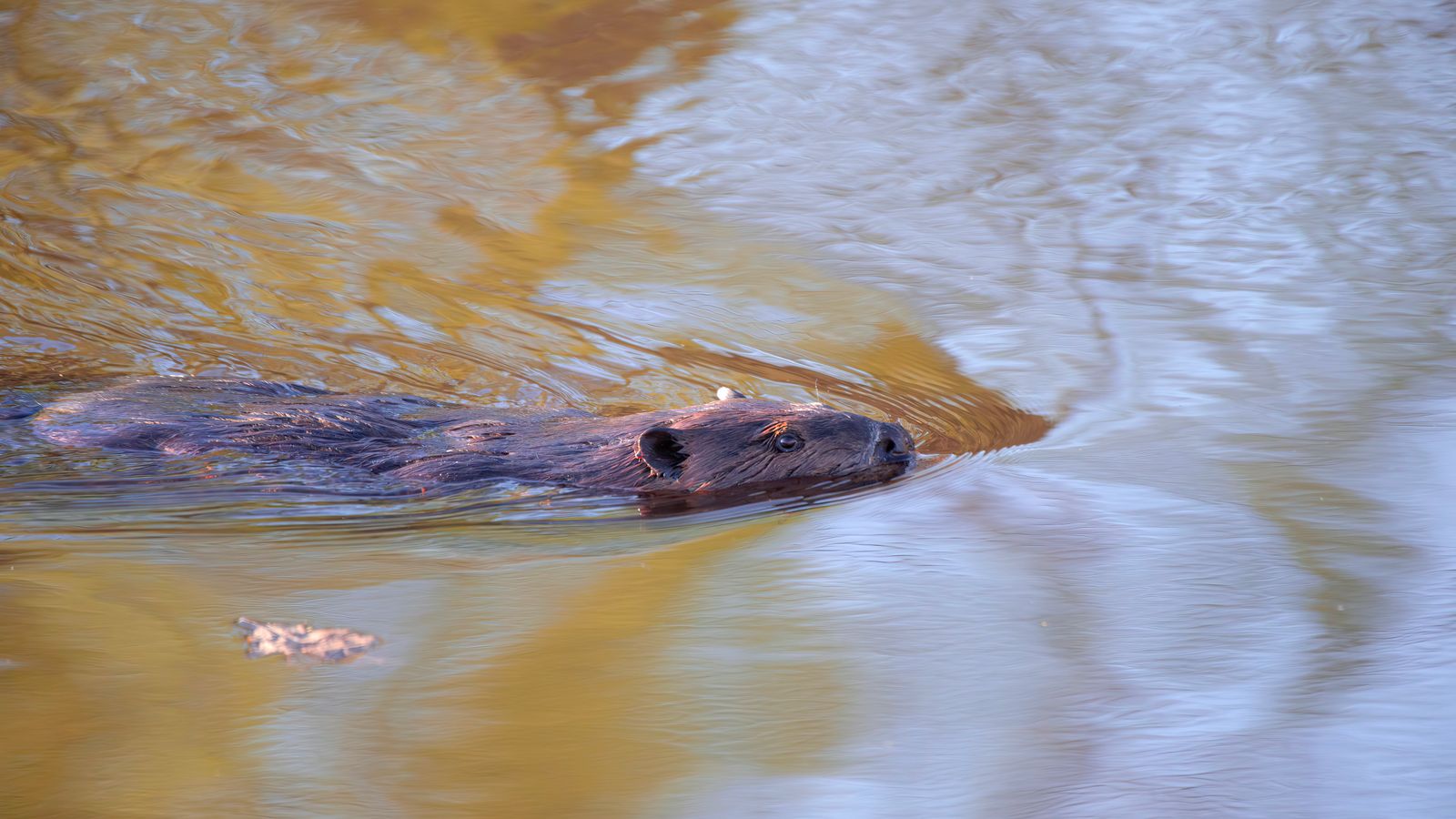
The Animal and Plant Health Agency has confirmed TB in two wild beavers in south-west England, the first such cases recorded in the UK, Defra said on Friday.
The agency found Mycobacterium bovis, the bacteria that causes bovine tuberculosis, in both animals. The cases are considered isolated and independent.
The first beaver was found dead in autumn 2026. The second was identified after a review of more than 70 earlier beaver post-mortem reports, and dates from spring 2025. None of the other post-mortems showed evidence of the disease.
Both animals were found in the bTB High Risk Area of south-west England, where Natural England said the disease is already present in cattle and a range of wildlife, including shrews, field voles, stoats, foxes, badgers and deer.
The cases came to light through Natural England’s wildlife surveillance programme, which includes specialist post-mortem examinations supported by APHA. Natural England said the programme is delivered with the Zoological Society of London.
UK Deputy Chief Veterinary Officer Ele Brown said the source of infection is under review. She added that “at present there is no evidence that beavers increase the risk of TB transmission to livestock, other wildlife or people.”
Natural England will update its biosecurity advice for beaver releases. Its director, Matt Heard, said all beavers are health screened before release and that the licensing process is meant to be “ambitious enough to restore this important species, but careful enough to co-exist successfully with other wildlife and farming businesses.”
APHA is continuing to investigate the circumstances of the infections and any wider implications. It is working with Natural England to review existing risk assessments and management plans for beavers in England.
Natural England said it has drawn up an interim precautionary approach to moving beavers. It assesses the risk profile of the source and destination sites, including local bTB status and the potential for contact between beavers and livestock.
The approach reflects two gaps. There is currently no validated test that can reliably show a live Eurasian beaver is free from M. bovis, and no bTB vaccine tested and licensed for use in beavers.
Livestock keepers are told to keep following existing TB controls and strict farm biosecurity. Access to rivers, streams and other water bodies should be restricted wherever possible, with clean drinking water provided through troughs, to reduce contact between cattle and wildlife at water sources.
Anyone who finds a dead beaver is asked to call the Natural England Enquiry Service on 0300 060 3900 so that it can be collected for post-mortem examination at the Zoological Society of London.
Releasing beavers into the wild without a Natural England licence is a criminal offence. Natural England said decisions on individual releases and translocations will continue case by case, and that government policy still supports the carefully managed return of beavers in England.
It also said the reopening of the Beaver Wild Release Expression of Interest process faces a short delay while the investigations are considered.
The findings come weeks after the Government formally adopted, on 5 November, a strategy to eradicate TB from England by 2038.
Defra said new TB herd breakdowns in England fell by a fifth over the previous 12 months. Herds under restriction stood at 3.4 per cent at the end of June 2026, down from 4.2 per cent a year earlier.
Cattle removed for TB control in the 12 months to June 2026 numbered 20,244, down 4 per cent from 21,126 a year earlier.
The strategy includes a new government-funded scheme to collect and test found dead badgers, and an ambition to deploy cattle vaccination by 2030.
APHA Veterinary Director Irene Cristofaro said the beaver findings “demonstrate the value of England’s wildlife health surveillance programme.”