

Economic shifts and regulatory changes can quietly reshape your finances from one year to the next. Even when income stays steady, small adjustments in costs, interest rates or personal circumstances can compound into significant differences over time. A yearly review helps catch problems early, sharpen decision-making and give a clearer sense of where things actually stand.
Why an annual financial check is worth the time
Personal circumstances rarely stay fixed for long. A salary increase, a house move, a new child — each of these can change how money flows and what priorities look like. Going through financial paperwork once a year is a practical way to test whether existing plans still fit current realities.
Someone might discover, for instance, that savings have grown considerably whilst an expensive credit card still charges monthly interest. Recognising that mismatch opens up a conversation worth having: would redirecting some of those savings to clear the debt make more financial sense?
Bank and savings account statements
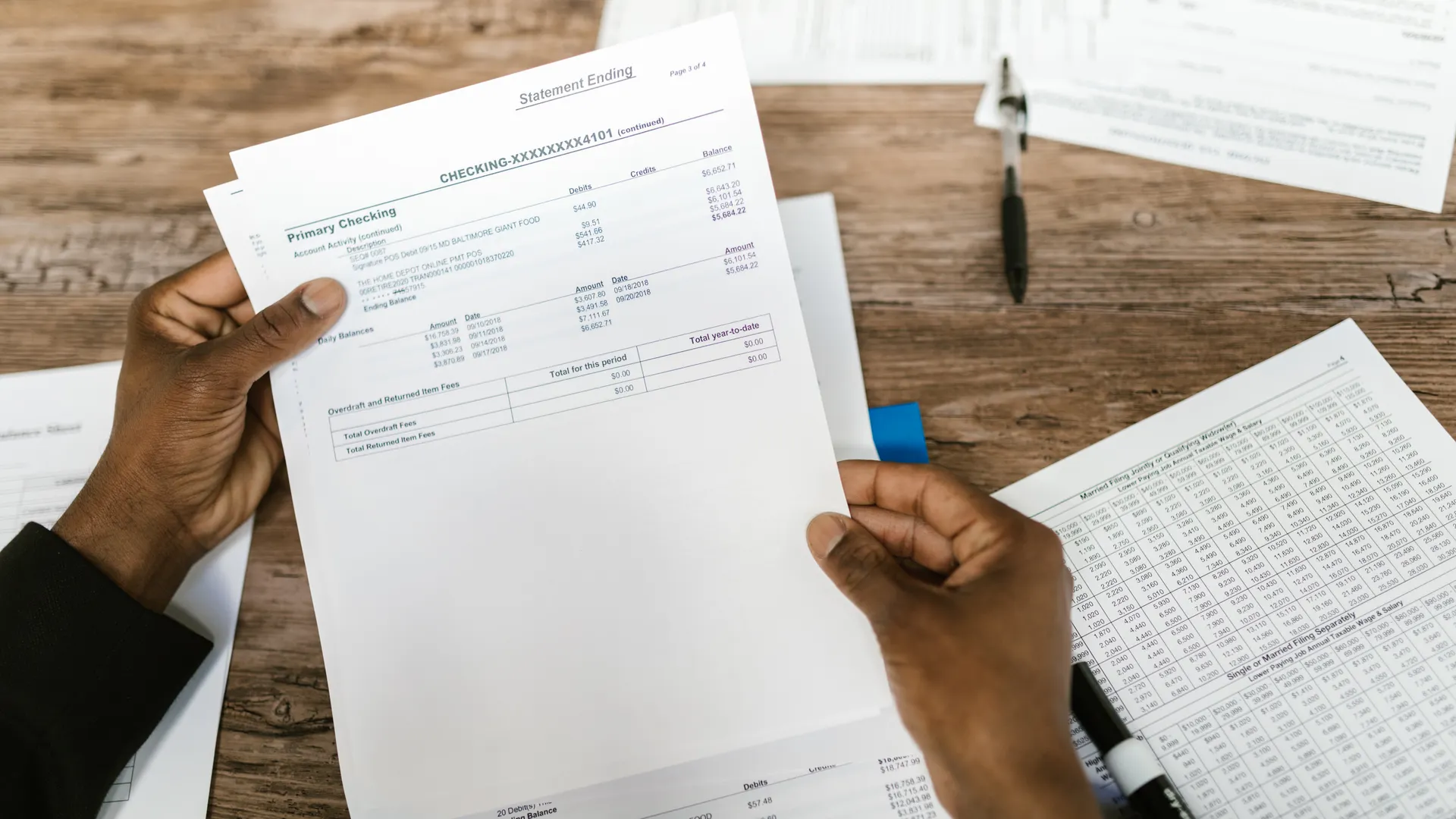
Statements reveal considerably more than a balance figure. Spending patterns emerge, and charges that slipped through unnoticed during the year become visible when reviewed line by line.
Recurring payments deserve particular attention. An old streaming subscription or a gym membership nobody uses can quietly drain an account month after month. Any transaction that looks unfamiliar warrants a query with the bank without delay.
The credit report and what it shows
A credit report influences the outcome of mortgage applications, phone contracts and other forms of borrowing. Inaccurate information can restrict access to credit or push interest rates higher than they ought to be.
Address history and account details should be checked for accuracy. Errors do happen, and raising them with the relevant credit reference agency as soon as possible matters, since corrections rarely happen overnight.
Whether insurance policies still fit
An insurance policy bought several years ago was written to cover a particular set of circumstances. Those circumstances may have changed substantially since then, and cover levels that once made sense might now fall short.
Marriage, children or a significant change in income all affect what protection is appropriate. reviewing your life insurance alongside home and contents policies is worth prioritising for anyone whose family has grown, since the coverage needs of a household with dependants differ markedly from those of a single person.
Pension and retirement savings progress
Retirement feels distant to most people for most of their working lives, but that distance is exactly why regular checks matter. Annual pension statements show how much has accumulated and whether contributions remain appropriate given long-term goals.
Modest increases to monthly contributions during the working years can produce a meaningfully different outcome over several decades, largely because investments have longer to grow when money goes in earlier.
Tax records and financial paperwork
Organised records save considerable effort when they are actually needed. Self Assessment returns, mortgage applications and insurance claims all require documentation that can be hard to locate under pressure if it has not been filed properly.
Bank statements, pension updates, insurance documents, tax records and receipts for significant purchases should be kept together in a secure place. Digital copies stored with a reliable backup are worth maintaining alongside physical files, since searching for a specific document becomes far quicker when the archive is well ordered.