


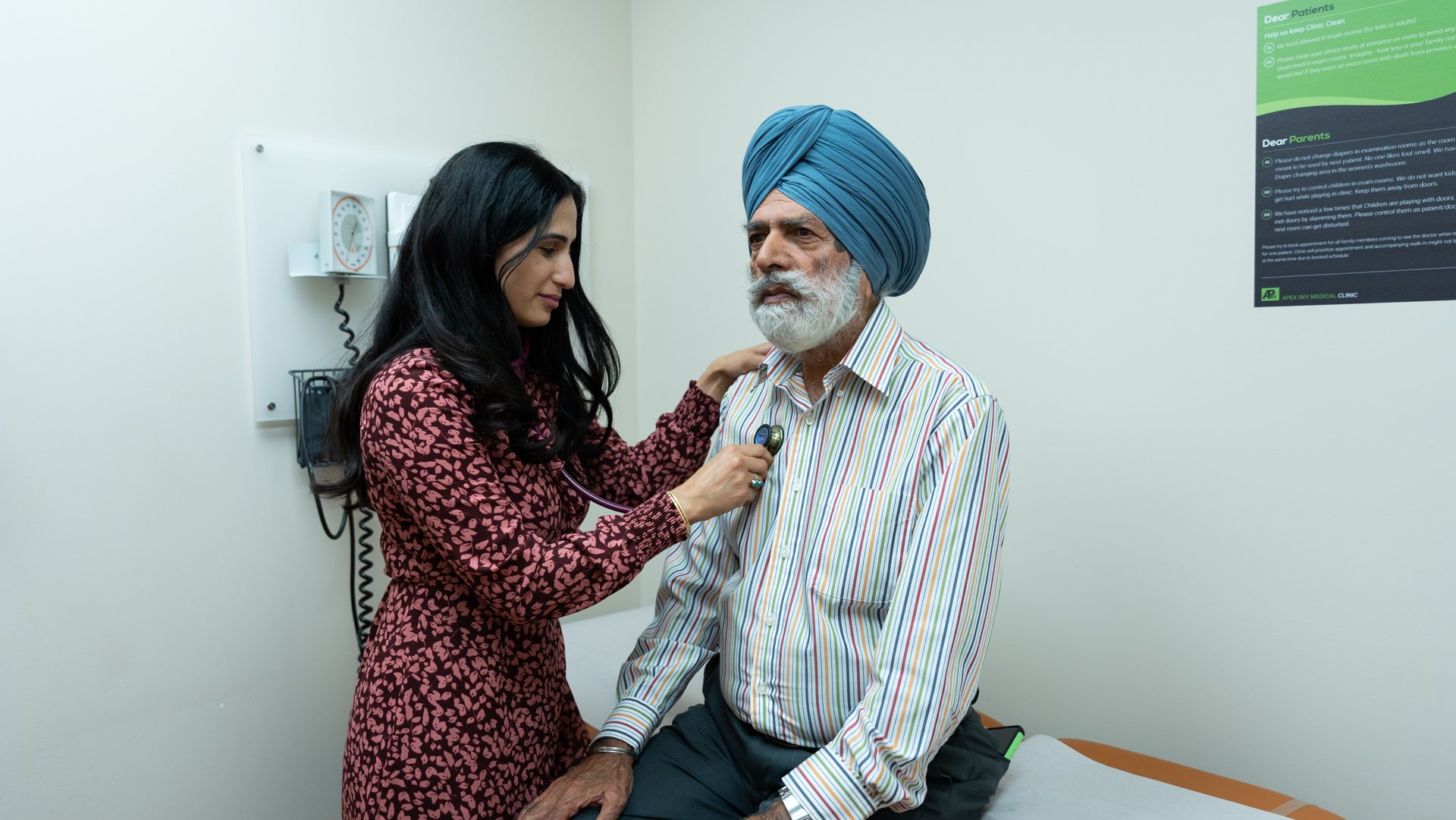
Men who have been treated for prostate or bladder cancer tend to remember two appointments vividly. The first is the one where they heard the diagnosis. The second is the one where someone finally explained, in plain language, what surgery or radiation might do to their erections, and what can be done about it. The gap between those two appointments is often measured in months, sometimes years. It does not need to be.
Erectile dysfunction after urological cancer treatment is common, well documented in medical literature, and highly treatable. Yet it remains the part of the recovery pathway men research alone at 1am rather than raise in a clinic room. That silence has a cost: delayed treatment, strained relationships, and in some cases permanent tissue changes that earlier intervention might have limited.
Why cancer treatment affects erections in the first place
An erection is a vascular and neurological event. Blood flows into spongy tissue chambers because nerves tell the smooth muscle there to relax. Those nerves, the cavernous nerves, run in bundles along either side of the prostate, close enough that any treatment aimed at the gland can affect them.
Radical prostatectomy can bruise, stretch or remove parts of those bundles, even when a surgeon uses nerve-sparing technique. Recovery, when it happens, is typically slow: nerves regenerate at a crawl, and improvement over 12 to 24 months is a normal expectation rather than a disappointment. External beam radiotherapy works differently, damaging small blood vessels gradually, so function may be preserved early and decline over a year or two. Hormone therapy suppresses testosterone and with it libido, which is a separate problem from mechanical erectile failure and needs separate discussion.
Bladder cancer adds its own complexity. Radical cystectomy involves the same anatomical neighbourhood, and treatment decisions there frequently involve trade-offs between oncological margins and functional outcomes that only a multidisciplinary team can weigh properly.
Focal and ablative options change the calculation
For carefully selected men with localized disease, treatments that target part of the gland rather than all of it have altered the conversation. High-intensity focused ultrasound, for instance, uses focused sound energy to destroy tissue in a defined zone. Stereotactic and adaptive radiotherapy techniques aim to deliver dose with tighter margins. None of these is a universal substitute for surgery, and eligibility depends on tumour grade, location, imaging and biopsy findings. But they belong in the discussion, and a man who has never heard them mentioned has not had a complete discussion.
The treatment ladder, honestly described
Erectile rehabilitation after cancer treatment follows a recognisable sequence. Each step works for some men and not others, and moving up the ladder is not a failure.
- Oral medication (PDE5 inhibitors). These amplify a nerve signal that already exists. If the nerves are substantially damaged, the tablets have little to amplify, which explains why they can disappoint immediately after surgery and work better 12 months later.
- Vacuum erection devices. Mechanical, inexpensive, and genuinely useful, partly for intercourse, partly because regular use may help maintain tissue health during the recovery window.
- Intracavernosal injections and intraurethral agents. Medication delivered directly to the target tissue bypasses the nerve pathway. Effective for many men, but it requires teaching, confidence and tolerance for the method.
- Surgical implants. For men whose erectile dysfunction has not responded to the above, an implanted device restores the mechanical capacity for an erection. Modern inflatable versions are concealed, controlled by a small pump, and designed for spontaneity.
Two practical points get lost in this list. First, timing matters: starting rehabilitation early, rather than waiting to see what happens, is the general direction of modern practice. Second, the partner is part of the clinical picture. Couples who are told what to expect before treatment report less distress than those left to discover it.
Where specialist programs earn their place
Men in the UAE and the wider region who want this handled properly, diagnosis, cancer treatment and functional recovery as one pathway rather than three disconnected episodes, benefit from a centre where the urologist, the medical oncologist and the radiation oncologist actually sit in the same tumour board. Cleveland Clinic Abu Dhabi’s Cancer Institute runs dedicated programs for prostate, testicular and bladder/urothelial cancers, with imaging and pathology specialists reviewing cases alongside the surgical teams, and it works closely with Cleveland Clinic in the US. Its public health library also sets out, in non-technical language, how options such as a prosthesis work, what the device involves and who tends to be a candidate, the kind of reading that makes a clinic appointment far more productive, because the patient arrives with questions instead of fear.
The screening conversation that precedes all of this
Everything above is easier when cancer is found earlier, which brings the discussion back to PSA testing. A prostate-specific antigen test is a blood test, not a diagnosis. Levels rise with benign enlargement, inflammation, infection and recent vigorous cycling as well as with cancer. The value of PSA lies in trend and context, age, family history, ethnicity, examination findings and MRI where indicated, interpreted by someone who knows the man’s history. Shared decision-making, usually beginning somewhere in a man’s 40s or 50s depending on risk, is the standard approach.
This is where having a consistent clinician matters more than any single test result. There is good reason why clinicians emphasise the importance of a primary care doctor on your team: continuity is what turns an isolated number into a meaningful pattern, and it is usually the family doctor who notices the change and makes the referral.
The modifiable background
Erectile function is a sensitive marker of vascular health. Obesity, untreated sleep apnoea, poorly controlled diabetes, smoking and sedentary habits all reduce the odds of a good functional recovery after cancer treatment, and all are addressable. Weight management and sleep assessment are not consolation prizes offered instead of real treatment; they measurably improve the terrain on which every other intervention has to work.
A system-wide problem, not an individual one
The reluctance to discuss sexual function is structural as much as personal. Appointments are short, cancer dominates the agenda, and quality-of-life questions slide to the bottom of the list. Health systems are beginning to address this kind of gap deliberately, reporting that over half a million frail patients in England are set to receive more proactive, joined-up care reflects the same underlying shift, from reacting to crises towards anticipating needs that patients rarely volunteer.
For individual men, the practical move is smaller and entirely within reach: raise the subject before treatment, not after. Ask what the proposed treatment is likely to do to erections, what rehabilitation is offered, when it starts, and what the options are if the first approach does not work. Bring a partner if that helps. Write the questions down, because they are easy to forget in the room.
What to take away
Surviving urological cancer and living well afterwards are two different projects, and the second one deserves a plan. Erectile dysfunction after treatment has a recognised ladder of interventions, from tablets through injections to implanted devices, with reasonable odds of restoring sexual function for men who persist. The men who do best are rarely the ones who got lucky with their anatomy. They are the ones who asked early, kept asking, and treated functional recovery as part of their cancer care rather than an embarrassing footnote to it.
Contributed content: this article was written by a third-party contributor and does not necessarily reflect the views of News Anyway. Editorial and Advertising Policy