

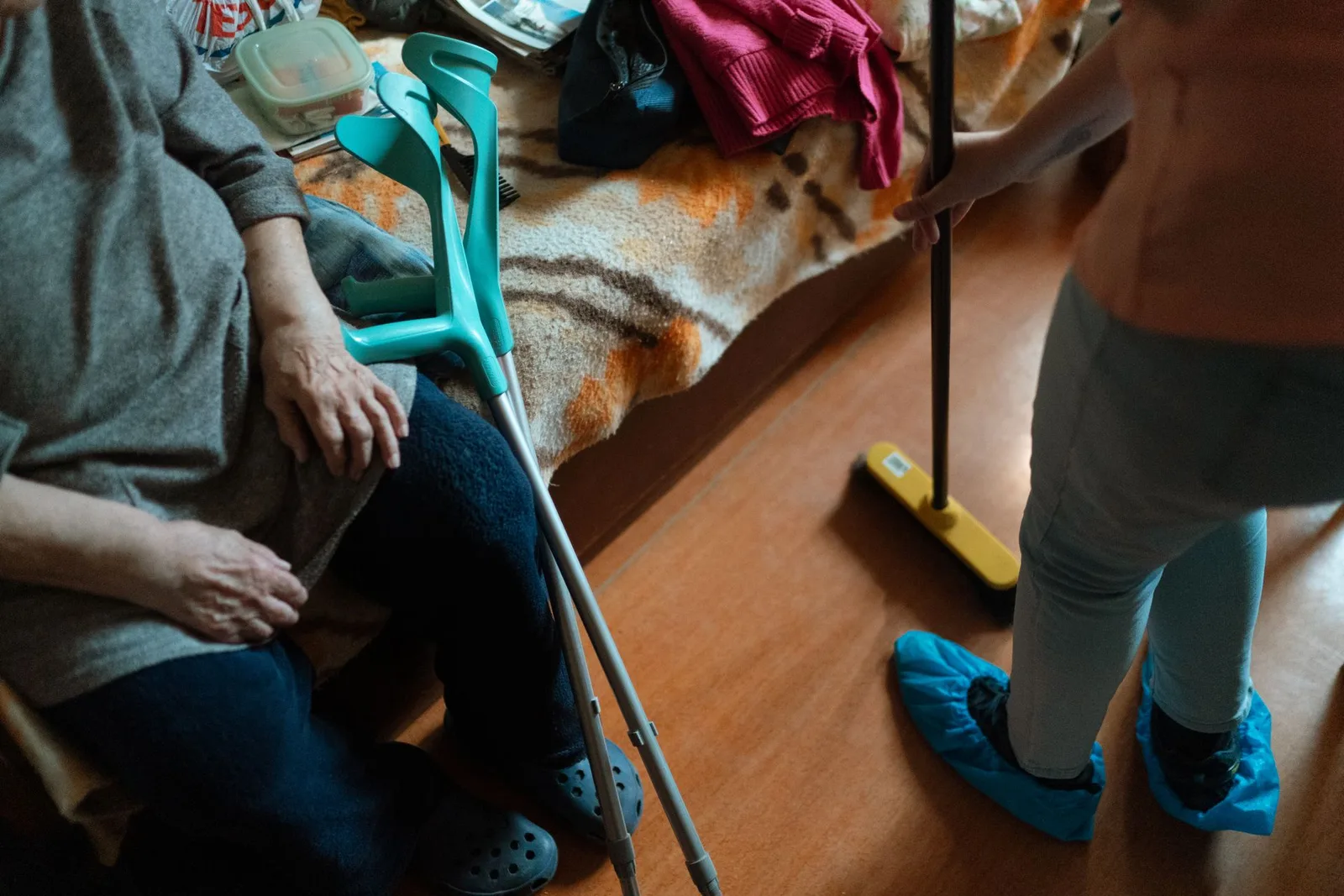
For many families, home is more than a place to live. It is where routines feel familiar, memories are close, and daily life feels most comfortable. When an aging parent, loved one with a chronic condition, or someone recovering from illness begins needing extra support, families often want to keep that person safe without immediately moving them into a facility.
That is where Lexington home care can become an important option.
Home care allows people to receive help with daily activities while remaining in the comfort of their own homes. It can provide practical support, companionship, and peace of mind for both the person receiving care and the family members who love them. Whether the need is a few hours a week or daily assistance, home care can be shaped around individual needs.
The goal is not only to help with tasks. It is to support independence, dignity, and a better quality of life.
What Is Home Care?
Home care refers to non-medical or supportive care provided in a person’s home. It may include help with personal care, meal preparation, light housekeeping, transportation, medication reminders, companionship, and daily routines.
Some families use home care for short-term help after surgery or illness. Others use it as long-term support for aging adults who want to remain at home.
Home Care vs. Home Health Care
It helps to understand the difference between home care and home health care.
Home care usually focuses on daily living support. This may include bathing, dressing, cooking, errands, mobility assistance, and companionship.
Home health care, on the other hand, is medical care provided by licensed healthcare professionals. It may include nursing care, physical therapy, wound care, medication management, or medical monitoring.
Some people need both types of support. A person recovering from surgery, for example, may receive home health care for medical needs and Lexington home care for everyday assistance.
Why Families Choose Home Care
Families often choose home care because it allows their loved one to stay in a familiar environment. Moving to a facility can be difficult emotionally, especially for older adults who value their routines and independence.
Home care can also reduce pressure on family caregivers. Many relatives want to help, but caregiving can become overwhelming when combined with work, parenting, distance, or other responsibilities.
Professional home care offers extra support so families do not have to manage everything alone.
Who Can Benefit From Lexington Home Care?
Home care can support many different people and situations. It is not only for seniors, though older adults are among the most common recipients.
Older Adults Aging at Home
Many older adults prefer to age in place. They may be mostly independent but need help with certain tasks that have become harder over time.
This might include bathing safely, preparing meals, remembering appointments, doing laundry, or getting to the grocery store.
Home care can help older adults maintain independence while reducing safety risks.
People Recovering From Illness or Surgery
After a hospital stay, surgery, or medical treatment, daily tasks can feel difficult. A person may need help moving around the house, preparing meals, following discharge instructions, or keeping the home safe during recovery.
Short-term home care can provide support during this transition.
Individuals With Chronic Conditions
People living with conditions such as Parkinson’s disease, dementia, arthritis, stroke effects, or mobility limitations may need ongoing assistance.
Lexington home care can help with routines that support comfort and stability. Caregivers can also provide companionship and help families monitor changes in daily functioning.
Family Caregivers Who Need Relief
Family caregivers often carry a heavy load. They may help with meals, bathing, transportation, medications, appointments, and emotional support. Over time, this can lead to stress and burnout.
Home care can provide respite, giving family caregivers time to rest, work, handle personal needs, or simply recharge.
Common Home Care Services
The services included in home care depend on the individual’s needs. A care plan may be simple or more involved.
Personal Care Assistance
Personal care includes help with activities such as bathing, grooming, dressing, toileting, and mobility. These tasks can feel deeply personal, so caregivers must provide support with patience and respect.
For many older adults, personal care helps maintain dignity and hygiene while reducing the risk of falls or accidents.
Meal Preparation
Eating well is important for health, energy, and recovery. However, grocery shopping and cooking can become difficult for people with limited strength, mobility, or memory.
A home care provider may prepare simple meals, help with snacks, encourage hydration, and support special dietary needs when directed by the family or healthcare provider.
Light Housekeeping
A clean and organized home can reduce stress and improve safety. Light housekeeping may include laundry, dishes, changing linens, taking out trash, wiping counters, and keeping walkways clear.
This does not usually mean heavy cleaning or major home maintenance. The focus is on keeping the living space safe and comfortable.
Companionship
Loneliness can affect emotional and physical well-being. Many people receiving home care benefit from simple companionship.
A caregiver may share conversation, play cards, read aloud, go for walks, help with hobbies, or accompany the person during daily routines.
This kind of connection can make the home feel less isolating.
Transportation and Errands
Some people need help getting to appointments, picking up prescriptions, shopping for groceries, or attending social activities.
Transportation support can help individuals stay connected to the community while reducing the stress of driving or arranging rides.
Medication Reminders
Home care providers do not usually manage medications in the same way nurses do, but they may offer reminders. This can help clients remember when it is time to take medication as prescribed.
For families, this can provide reassurance that daily routines are being followed more consistently.
The Benefits of Home Care
Home care can offer practical and emotional benefits. It supports both the person receiving care and the family members trying to make the best decisions.
Comfort of Familiar Surroundings
Home is often the place where people feel most secure. Familiar rooms, routines, neighbors, pets, and personal belongings can provide emotional comfort.
For individuals with memory issues, familiar surroundings may also reduce confusion and anxiety.
Personalized Support
Unlike facility-based care, home care is one-on-one. The caregiver can focus on the individual’s routines, preferences, personality, and needs.
This personalized attention can make care feel less rushed and more respectful.
Greater Independence
Home care is not meant to take over everything. A good caregiver encourages the person to do what they can safely do while assisting where needed.
This balance helps preserve independence and confidence.
Peace of Mind for Families
Family members often worry when a loved one lives alone or needs extra help. Home care can ease some of that worry.
Knowing someone is checking in, helping with meals, supporting safety, and providing companionship can give families greater peace of mind.
Signs It May Be Time to Consider Home Care
Families often wonder when to bring in extra help. The signs may be subtle at first, but they usually become more noticeable over time.
Changes in Personal Hygiene
If a loved one is bathing less often, wearing the same clothes repeatedly, or struggling with grooming, they may need personal care support.
This can happen because of mobility problems, fear of falling, depression, memory issues, or fatigue.
Difficulty Managing the Home
Unwashed dishes, spoiled food, piles of laundry, cluttered walkways, or missed household tasks may suggest that daily chores are becoming too much.
Home care can help keep the environment safer and more manageable.
Missed Appointments or Medications
Forgetting appointments, missing medication doses, or becoming confused about daily schedules may be signs that extra support is needed.
Caregivers can help provide reminders and structure.
Increased Falls or Safety Concerns
Falls, near falls, burns, wandering, or difficulty moving safely through the home should be taken seriously.
Home care can help reduce risks by assisting with mobility, supervision, and safer routines.
Family Caregiver Stress
If family members feel constantly tired, anxious, or overwhelmed, home care may help. Asking for support does not mean the family has failed. It means the care needs have grown.
Creating a Care Plan
A strong home care experience begins with a clear care plan. This plan should reflect the person’s needs, preferences, schedule, and family priorities.
Assessing Daily Needs
Families can begin by listing the tasks the person can do independently and the tasks that require help. This may include bathing, meals, transportation, mobility, housekeeping, and companionship.
It is also helpful to note when support is most needed. Some people need help in the morning. Others need evening support or a few hours of companionship during the day.
Matching the Right Level of Care
Not everyone needs full-time care. Some people only need help once or twice a week. Others may need daily visits or longer shifts.
Lexington home care can often be adjusted as needs change. Starting with part-time support may be enough, with the option to increase care later.
Including the Person Receiving Care
Whenever possible, the person receiving care should be included in the conversation. This helps them feel respected and involved.
They may have preferences about routines, privacy, meals, hobbies, or the type of help they are comfortable accepting.
Choosing a Lexington Home Care Provider
Selecting a home care provider is an important decision. Families should look for professionalism, compassion, reliability, and clear communication.
Ask About Caregiver Screening
Families should ask how caregivers are selected, trained, and screened. Background checks, reference checks, and proper training are important.
Caregivers should be prepared to support personal care, safety, communication, and respectful companionship.
Review Services Offered
Not every provider offers the same services. Some focus on companionship and light housekeeping. Others offer more hands-on personal care.
Families should make sure the provider can meet both current and possible future needs.
Discuss Scheduling Flexibility
Care needs may change over time. A loved one may need more help after an illness, during recovery, or as mobility changes.
A provider with flexible scheduling can make adjustments easier.
Pay Attention to Communication
Good communication is essential. Families should know how updates are shared, who to contact with concerns, and how changes in care are handled.
A reliable provider should be responsive and transparent.
Supporting Independence at Home
One of the best parts of home care is that it can support independence instead of replacing it.
Encouraging Participation
Caregivers can help clients stay involved in daily routines. A person may not be able to cook a full meal alone, but they may still help choose ingredients or set the table.
These small moments matter. They help people feel capable and included.
Building Safe Routines
Routine can make the day feel more predictable. This is especially helpful for older adults with memory issues or anxiety.
Caregivers can support routines around meals, bathing, walks, medication reminders, and rest.
Reducing Isolation
Home care can help clients stay socially connected. A caregiver may accompany them to appointments, help them call family, support hobbies, or encourage safe community outings.
Connection is an important part of well-being.
Home Care and Family Relationships
Caregiving can affect family dynamics. Adult children may feel guilty. Spouses may feel exhausted. Siblings may disagree about responsibilities.
Home care can reduce some of this pressure.
Allowing Families to Be Families
When a professional caregiver helps with daily tasks, family members may have more space to focus on emotional connection.
Instead of every visit being about chores, medications, or bathing, families can spend more time simply being together.
Reducing Conflict
Caregiving stress can create tension. Home care brings structure and shared support, which can reduce misunderstandings.
Clear care plans also help family members understand who is responsible for what.
Giving Caregivers Time to Rest
Respite care allows family caregivers to take breaks. This is not selfish. Rest helps caregivers continue supporting their loved one in a healthier way.
Final Thoughts on Lexington Home Care
Lexington home care can be a valuable option for individuals who need support but want to remain in the comfort of home. It offers practical help with daily routines, personal care, meals, transportation, companionship, and safety.
For families, home care can bring relief and reassurance. It allows loved ones to receive support while maintaining familiar routines and a sense of independence.
Choosing care is a personal decision, and it often comes with emotion. The right provider should treat each person with dignity, patience, and respect. With thoughtful planning and reliable support, home care can help make daily life safer, calmer, and more comfortable for everyone involved.
Contributed content: this article was written by a third-party contributor and does not necessarily reflect the views of News Anyway. Editorial and Advertising Policy